 Bradenton Siding
 Anna Maria Island Puts Siding Through More Than Most Florida Homes Ever See
A house on Anna Maria Island sits closer to open salt water and takes a harder, steadier beating than most homes even a few miles inland in Bradenton or the rest of Manatee County. The combination is unforgiving: salt-laden air corrodes fasteners and trim year-round, intense subtropical UV bakes exterior finishes day after day, and wind-driven rain during storms and squalls finds every gap in a siding system that isn't sealed and flashed correctly. Add the occasional direct hit from hurricane-force wind, and you have an exterior that ages faster here than almost anywhere else in the region.
That environment is exactly why siding repair on a barrier island community like this one isn't a smaller version of a mainland repair job. The materials, the fasteners, the flashing details, and the sequencing all have to account for constant salt exposure and higher wind-load expectations. A repair that would hold up fine in a subdivision ten miles inland can fail within a season or two out here if it's done the same way.
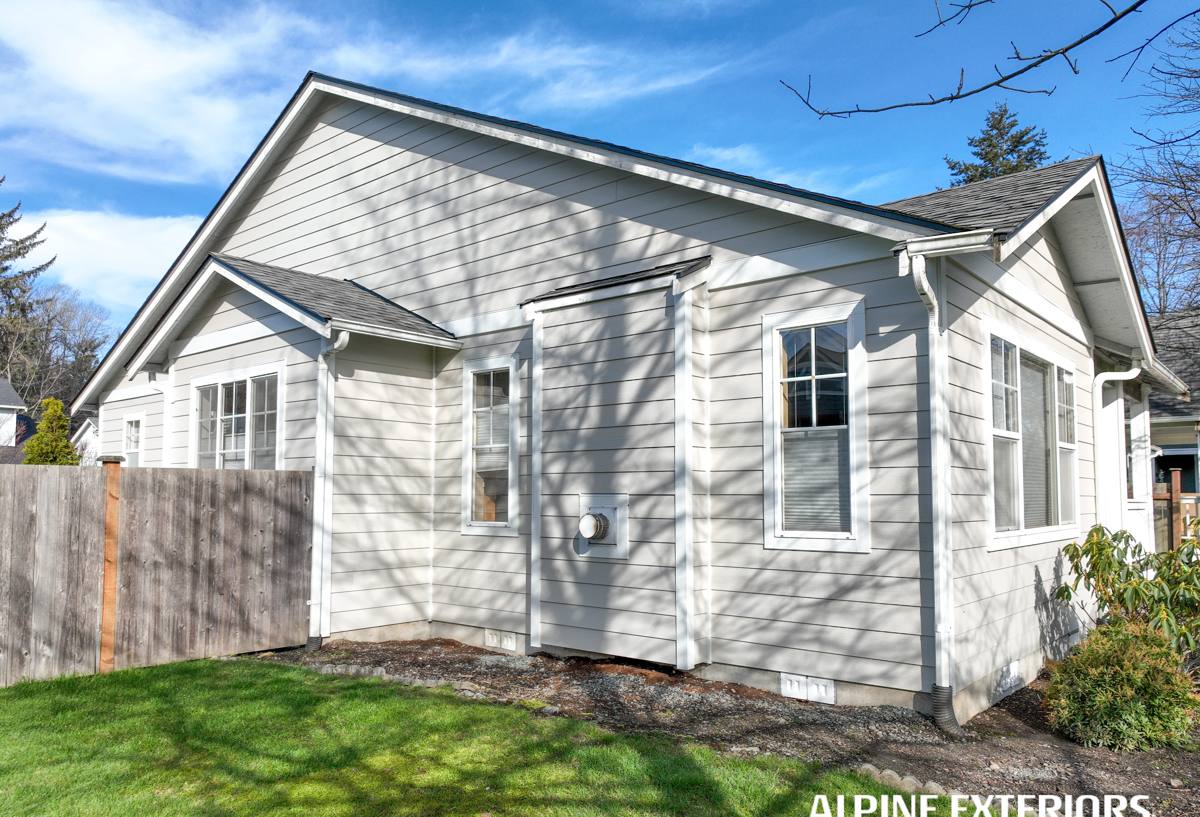
Signs Your Siding Needs Repair — Not Just a Repaint
Homeowners often reach for paint as the first fix, but paint doesn't solve what's actually happening underneath. Here's what to look for before deciding a repair (rather than a repaint or a full replacement) is the right call:
- Soft, spongy, or crumbling spots when you press on the siding, especially near the bottom courses and around windows
- Visible cracking, splitting, or buckling panels, particularly on walls that face prevailing wind and storm direction
- Persistent staining or streaking that comes back shortly after cleaning or painting
- Gaps opening up at seams, corners, or where siding meets trim, window frames, or doors
- Bubbling or peeling paint concentrated in one area rather than spread evenly across the whole exterior
- Visible corrosion on nail heads, trim fasteners, or metal flashing
- A musty smell or discoloration on the interior wall directly behind a damaged exterior section
Any one of these, taken alone, might be minor. Several together, especially on a wall exposed to wind and salt spray, usually mean water has already gotten past the surface and into the wall assembly.
What a Correct Siding Repair Actually Involves
Finding the Real Cause First
The most common mistake in siding repair is treating the visible damage as the problem instead of the symptom. A cracked panel is often the result of moisture that got in somewhere else — a failed sealant joint, a flashing detail that was never installed correctly, or fastener corrosion that let water track down behind the cladding. Cutting out the damaged section and patching it without finding the entry point just guarantees the same failure returns in a year or two.
Matching the Existing System
A proper repair matches the profile, exposure, and finish of the surrounding siding as closely as possible so the patch doesn't stand out and, more importantly, so water management stays consistent across the wall. This matters more on fiber cement systems, where panel thickness and factory-applied finish need to line up correctly at the seams for the repair to perform the way the original installation was engineered to.
Checking the Water-Resistive Barrier
Behind every siding system is a weather barrier that's supposed to shed any water that gets past the cladding. On an island exterior that's been through repeated wind-driven rain events, that barrier is often compromised in ways you can't see from outside. Any repair worth doing includes inspecting and, where needed, repairing this layer before new siding goes back on — otherwise you've covered up the actual leak path instead of fixing it.
Barrier Island Conditions That Change How Repairs Are Done
Salt Air and Fastener Corrosion
Constant salt exposure accelerates corrosion on standard fasteners and metal flashing far faster than it does even a short distance inland. A repair on Anna Maria Island needs corrosion-resistant fasteners and hardware rated for coastal exposure — using standard-grade materials because they're on hand is how a "repair" ends up failing again within a couple of years.
Wind-Driven Rain and Sealant Joints
Rain that falls straight down is easy for most siding to shed. Rain driven sideways under hurricane-force or tropical-storm-force wind is a different problem — it gets pushed up and under laps, into fastener penetrations, and around trim that would otherwise stay dry. Repairs need sealant details and lap orientation that account for wind-driven moisture, not just gravity.
UV Exposure and Finish Life
Florida's UV load is intense and constant, and it's harder on painted or lower-grade finishes than most homeowners expect. A patch repair using mismatched paint or an inferior finish will visibly fade or chalk at a different rate than the surrounding siding, leaving an obvious blotch on the wall within a year or two.
Repair or Replace? How to Think About the Decision
Not every damaged section needs full replacement, but not every repair is worth doing either. The right call depends on how widespread the damage is, what's causing it, and how old the existing siding already is.
| Factor | Repair Usually Makes Sense | Replacement Usually Makes More Sense |
|---|---|---|
| Extent of damage | Isolated to one or two wall sections | Spread across multiple elevations |
| Cause | Single identifiable event (impact, one failed flashing detail) | Systemic moisture intrusion or widespread fastener corrosion |
| Age of existing siding | Well within its expected service life | Near or past the manufacturer's expected lifespan |
| Material | James Hardie fiber cement in otherwise sound condition | Vinyl, LP SmartSide, or wood-based product with recurring failures |
| Underlying structure | Sheathing and framing are dry and sound | Rot or water damage found in the wall assembly |
If the underlying structure has been compromised, no surface-level repair fixes that — it needs to be opened up, dried out, and rebuilt correctly before any new siding goes back on.
Why We Repair — and Replace — With James Hardie Fiber Cement Only
We install and repair exclusively with James Hardie fiber cement siding. We don't work with vinyl, LP SmartSide, Cemplank, Allura, or primed wood products, and that standard applies to repairs as much as full installations. When we patch a section of siding, we want the material going back on the wall to hold up as well as, or better than, what's already there — not introduce a weaker point that fails again in the next storm season.
Fiber cement is non-combustible, holds up to sustained coastal humidity without the swelling and softening issues that affect wood-based siding, and James Hardie's ColorPlus factory finish is engineered to resist Florida's UV load far better than field-applied paint. Its HZ5 product line is specifically engineered for high-humidity, storm-prone climates like this one. When we do a repair, we're patching into a system built for exactly the conditions Anna Maria Island homes face — and it carries a strong transferable warranty that matters if you ever sell the home.
Our Siding Repair Process
- Inspection: We look past the visible damage to check flashing, sealant joints, fastener condition, and the wall assembly behind the siding.
- Diagnosis: We identify the actual cause of the failure — not just the symptom — before recommending a repair scope.
- Scope and estimate: You get a clear, honest picture of what needs to be repaired, what can be left alone, and why.
- Repair or rebuild: Damaged siding, sheathing, or framing is removed and replaced as needed; the water-resistive barrier is corrected before new cladding goes back on.
- Matching and finishing: New James Hardie siding is matched to the existing profile and color as closely as possible, with corrosion-resistant fasteners and coastal-appropriate sealant details throughout.
Why a Crew That Already Works on Anna Maria Island Matters
Coastal barrier island work isn't the same job as a mainland repair, and a crew that hasn't done it regularly will make assumptions that don't hold up out here. Access can be tighter, permitting and inspection requirements tied to coastal construction standards apply, and the margin for error on flashing and fastener choices is smaller because the environment punishes shortcuts faster. A contractor that regularly works Anna Maria Island and the surrounding Bradenton and Manatee County coastline already knows what fails first in this climate and builds the repair to account for it from the start, instead of learning that lesson on your house.
Protecting Your Repair Once It's Done
A correctly done repair on James Hardie siding shouldn't need much attention, but a few habits extend its life further in this climate:
- Rinse salt residue off exterior walls periodically, especially after storms with heavy sea spray
- Keep an eye on caulking and sealant joints around windows, doors, and trim once a year
- Trim back vegetation that holds moisture against the wall
- Address any new soft spots, cracking, or staining promptly rather than waiting
If your Anna Maria Island home has siding damage — whether it's storm-related, age-related, or something you've been meaning to get looked at — we're happy to come take a look. We offer free, no-pressure estimates and will give you an honest read on whether you need a repair, a partial replacement, or nothing more than routine maintenance.