 Bradenton Siding
 Windows Built for Life on a Barrier Island
Anna Maria Island homes take on a different kind of weather load than houses even a few miles inland in Bradenton. Sitting directly on the Gulf of Mexico in Manatee County, the island gets the full package: sustained salt air corroding anything with exposed metal, intense year-round UV breaking down seals and finishes, wind-driven rain that finds its way through the smallest gaps, and the real possibility of hurricane-force winds during storm season. Windows on the island don't just need to look good — they need to hold a pressure envelope, keep water out during a sideways rainstorm, and survive years of salt exposure without corroding shut or clouding over.
This page is specifically about window installation for Anna Maria Island properties — not a general overview of windows everywhere we work. The products, code requirements, and installation details that matter here are shaped by the island's exposure, and that's what we'll walk through.
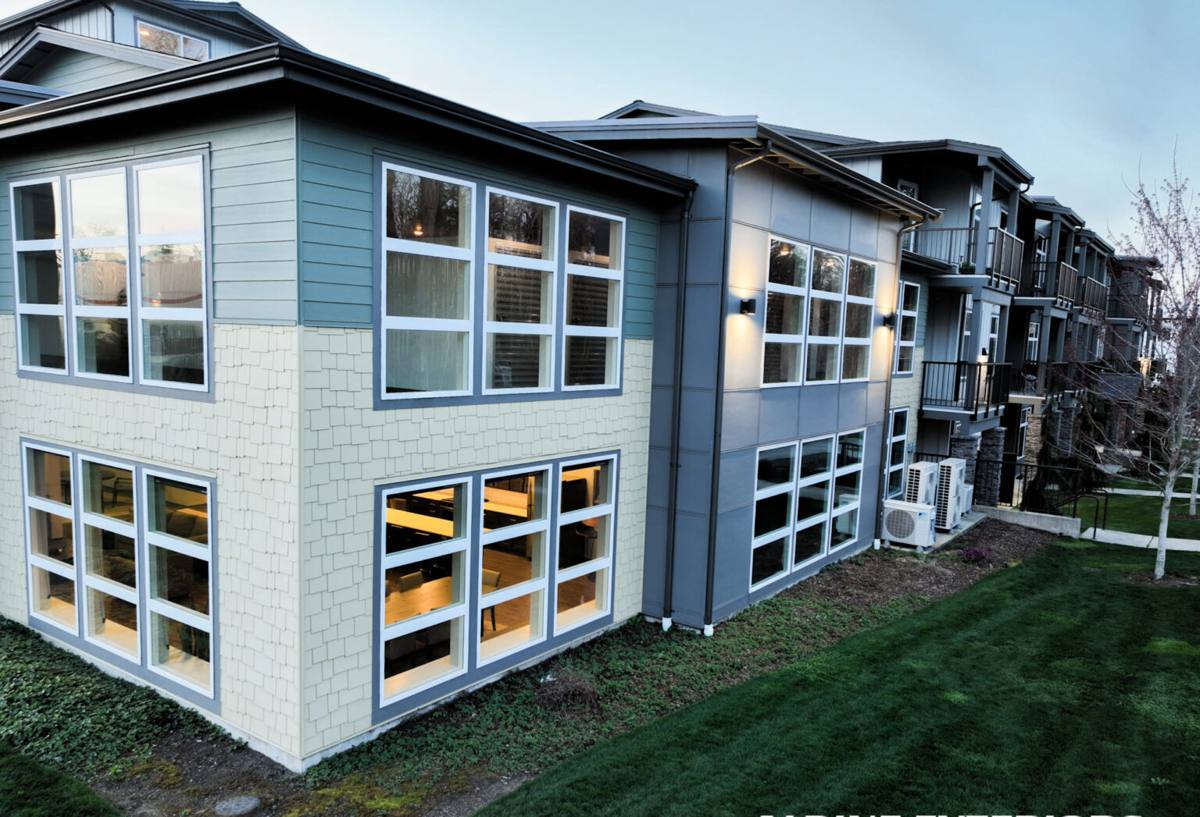
What Makes Anna Maria Island Different From Inland Bradenton
Salt Air and Corrosion
Homes within a mile or two of open salt water see accelerated corrosion on anything with exposed steel or lower-grade aluminum hardware — hinges, cranks, locks, and fasteners. A window that would last decades in a Manatee County neighborhood further inland can start showing pitting, stiff operation, or hardware failure much sooner on the island if it wasn't specified with marine-grade or corrosion-resistant components.
Wind Pressure and Storm Exposure
Anna Maria Island falls within Florida's High-Velocity Hurricane Zone design considerations that coastal Gulf communities plan around, meaning window assemblies have to meet stricter wind-load and impact standards than a lot of interior construction. It's not just about the glass surviving a storm — the whole frame, anchoring, and installation method has to transfer wind pressure into the structure correctly, or the window becomes the weak point in the wall.
UV and Heat
Year-round Florida sun is hard on window components — vinyl can discolor or become brittle over time, low-quality seals dry out and shrink, and inadequate glass coatings let heat pour into living spaces, driving up cooling costs in a climate where air conditioning runs most of the year.
Wind-Driven Rain
A window doesn't have to fail structurally to cause damage. Wind-driven rain during a tropical storm or even a strong summer squall will find any weak point in flashing, sealant, or frame fit and push water into the wall cavity. On the island, these events aren't rare edge cases — they're a normal part of the weather cycle.
What a Correct Window Installation Involves
A window is only as good as its installation. We've seen well-rated, expensive windows fail early because of shortcuts in the install — and mid-grade windows perform well for decades because the installation was done right. For Anna Maria Island homes, the details below aren't optional extras; they're what makes the difference between a window that performs in a storm and one that doesn't.
- Removing the old window fully and inspecting the rough opening for rot, moisture damage, or framing issues before anything new goes in
- Correcting any framing or substrate problems found — never installing a new window over a compromised opening
- Installing proper flashing and a water management system around the opening, not just relying on caulk
- Setting the window level, plumb, and square, with shims placed correctly so the frame doesn't rack under wind load
- Using fasteners and anchoring specified for the wind zone and substrate — not generic hardware
- Sealing with marine-grade or corrosion-resistant sealants suited to salt air exposure
- Verifying the finished install meets the manufacturer's installation instructions, which is what keeps the product warranty and impact rating intact
- Cleaning up and testing every window for smooth operation and a tight seal before we call the job done
Skipping any one of these steps might not show up as a problem on day one. It shows up two years later as a leak around the frame, or during the next major storm as a window that pulls away from the opening.
Choosing the Right Glass and Frame for the Island
There isn't one "correct" window for every home — it depends on the home's exposure, the homeowner's budget, and whether the goal is year-round performance, storm protection, or both. Here's how the common approaches compare for island properties specifically.
| Approach | Storm Protection | Daily Living Impact | Maintenance |
|---|---|---|---|
| Impact-rated windows (laminated glass) | Permanent, no action needed before a storm | Full light and view at all times; added sound dampening | Low — no shutters to store, deploy, or maintain |
| Standard windows + accordion or roll-down shutters | Strong, but requires deploying shutters before every storm | Shutters block light and view when closed | Moderate — shutters need periodic lubrication and mechanical upkeep |
| Standard windows + plywood/panel storm protection | Depends entirely on advance preparation and correct installation each time | No protection unless installed in time | Low cost but high effort every storm season |
Impact-rated windows have become the standard choice for a lot of Gulf-front and near-coastal homes simply because they're always "on" — there's no scramble to put up protection when a storm is approaching, which matters if you're not on the island full-time or if a storm develops faster than expected. That said, shutter systems paired with quality standard windows remain a legitimate, lower-upfront-cost option, and we'll walk through the honest trade-offs for your specific home and budget rather than push one option by default.
Frame Material Considerations
| Frame Material | Salt Air Performance | Notes for Island Use |
|---|---|---|
| Vinyl | Good, non-corroding, but quality varies widely by manufacturer | Look for UV-stabilized formulations; cheaper vinyl can discolor and become brittle under constant Gulf sun |
| Aluminum | Requires marine-grade coatings; standard aluminum corrodes faster near salt water | Common in impact-rated systems; coating quality matters more here than almost anywhere else |
| Fiberglass | Excellent — dimensionally stable and resistant to corrosion | Higher upfront cost, strong long-term performer in coastal exposure |
| Wood / wood-clad | Poor without diligent maintenance | We generally steer island clients away from exposed wood frames given the maintenance burden in this environment |
We don't install every product on the market, and that's intentional. Our standard is picking products that hold up to this specific climate with reasonable maintenance — not the cheapest option available, and not the flashiest, but the ones that actually perform on a barrier island year after year.
How Our Process Works
1. On-Site Assessment
We start by looking at your current windows, the framing behind them, and any signs of past water intrusion or corrosion. This tells us what we're actually working with before we recommend anything.
2. Honest Product Recommendation
Based on your home's exposure — Gulf-front, canal-front, or interior to the island — and your budget, we'll walk through which glass and frame combination makes sense, including the trade-offs, not just the upsell.
3. Permitting
Window replacement on Anna Maria Island typically requires a building permit, and impact-rated products need to carry the correct product approval documentation for the local jurisdiction. We handle this as part of the job so you're not left chasing paperwork.
4. Installation
Our crews follow manufacturer installation specifications exactly, including flashing, anchoring, and sealing appropriate for coastal wind and moisture exposure — the details covered earlier in this page.
5. Final Walkthrough and Inspection
We test every window, confirm smooth operation, and make sure everything is sealed and finished before we consider the job complete. If your jurisdiction requires a final inspection, we coordinate that as well.
Signs Your Current Windows Are Failing
Because island exposure accelerates wear, it's worth knowing what early failure looks like before it turns into a bigger repair.
- Hardware that's stiff, corroded, or won't lock smoothly
- Visible fogging or moisture between panes of double-pane glass — a sign the seal has failed
- Drafts or a whistling sound during windy conditions
- Water staining or soft drywall near the interior window frame
- Frames that feel warm to the touch on a sunny day, indicating poor thermal performance
- Visible gaps, cracked caulking, or daylight visible around the frame edges
- Difficulty opening or closing that wasn't there a year or two ago
Any one of these is worth a look. On the island specifically, a failed seal or gap isn't just a comfort issue — it's an entry point for wind-driven rain during the next storm.
Why Hiring a Crew That Already Works on the Island Matters
Window installation on Anna Maria Island isn't identical to installation a few miles inland, and it shows in the details: knowing which fastener and sealant specs actually hold up to salt air, understanding the local permitting process for coastal wind zones, and recognizing what storm-exposure level a given home actually faces based on its location relative to the water. A crew that regularly works this specific area has already worked through those details on other homes nearby — they're not learning the island's quirks on your project.
There's also a practical service side to this. Salt air means hardware and seals need periodic attention over the life of a window, and having a contractor who knows your home and is already working in the area makes follow-up service straightforward rather than a hassle.
Maintaining Your Windows After Installation
Even a correctly installed, high-quality window benefits from basic upkeep in this environment. A little attention goes a long way toward getting the full lifespan out of the investment.
- Rinse frames and hardware periodically with fresh water to reduce salt buildup, especially on Gulf-facing sides of the home
- Check and lubricate locking hardware once or twice a year
- Inspect exterior caulking annually and have any cracking or separation addressed before the next storm season
- Keep weep holes (the small drainage openings at the base of the frame) clear of debris so water can drain properly
- After any major storm, do a visual check for new gaps, damaged seals, or frame movement
Get a Straightforward Estimate
If you're weighing options for a window project on Anna Maria Island — whether that's a full-home impact window upgrade or replacing a few problem windows — we're happy to take a look and give you a straightforward, no-pressure estimate. There's a form below to get started; we'll walk the property, talk through what your home actually needs given its exposure, and give you honest numbers to work from.