 Bradenton Siding
 Why Board & Batten Fits Samoset Homes
Board and batten has become one of the most requested siding looks in Samoset, and it's easy to see why. The vertical lines and raised battens add real dimension to a home's facade, something flat lap siding can't match on its own. It works especially well as an accent on gables, entry features, and porch walls, and it pairs cleanly with the ranch and cottage-style homes common throughout this part of Bradenton, as well as newer builds going for a modern farmhouse look. Done right, it's a style that photographs well from the street and holds up to close inspection.
The catch is that board and batten is a more demanding installation than standard lap siding. Every batten strip creates an additional seam, an additional fastening line, and an additional place for water to find its way behind the cladding if the details aren't handled correctly. In a Manatee County climate, that margin for error matters.
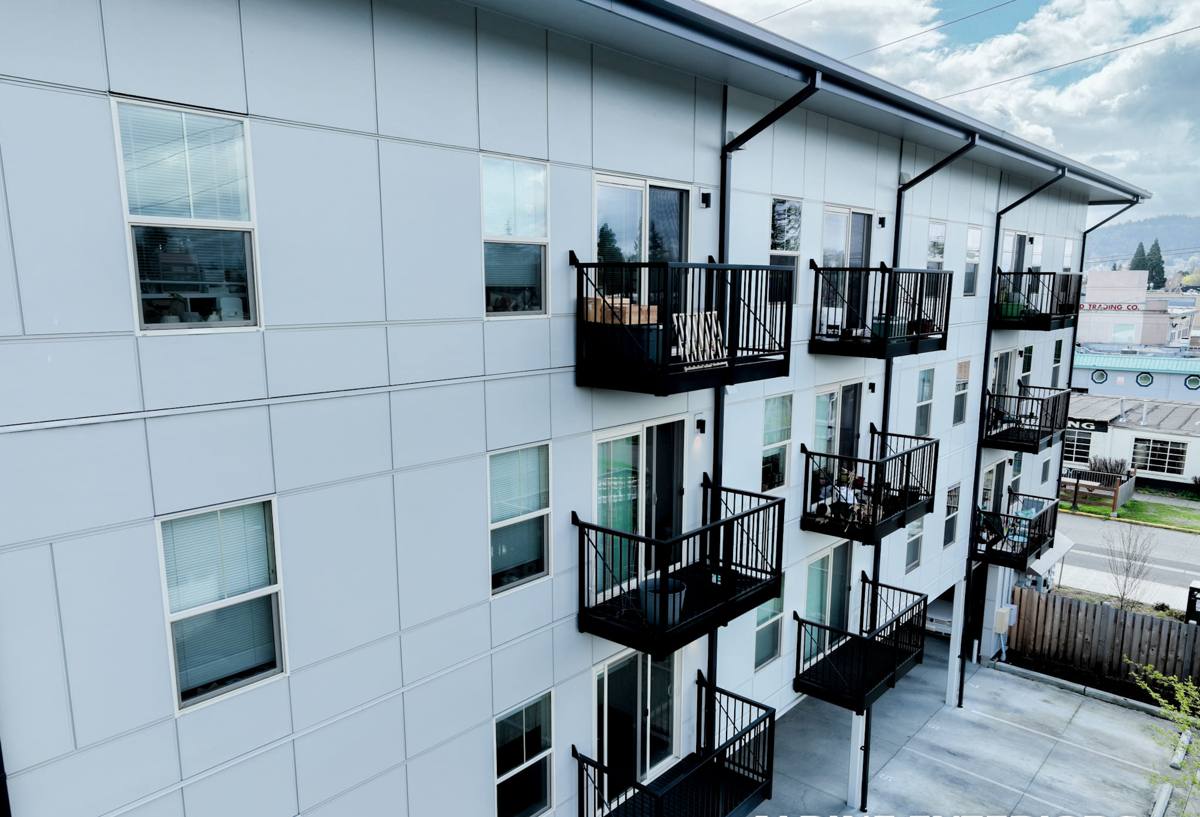
What Bradenton's Climate Demands From Vertical Siding
Homes in Samoset deal with a specific combination of stresses that inland siding jobs don't have to plan for. Hurricane-force wind events put real uplift and lateral load on any exterior cladding, and vertical siding with raised battens has more surface for wind to catch than flush lap boards. Intense, near year-round UV breaks down paint film and pigment faster here than in most of the country, which shows up first as fading and chalking on south- and west-facing walls. Wind-driven rain during tropical storms and afternoon squalls doesn't just fall on siding, it's pushed sideways and upward into every gap and seam. And the salt air moving in off the Gulf and Tampa Bay accelerates corrosion on fasteners, flashing, and trim, especially on homes closer to open water or exposed to prevailing winds.
Board and batten sits at the intersection of all four of these. It has more joints to seal, more fastener penetrations, and more surface area exposed to sun and salt than a comparable lap job. That's not a reason to avoid the style, but it is a reason the installation details have to be right the first time.
Why We Install Board & Batten Only in James Hardie Fiber Cement
The Extra-Seam Problem
Every siding material handles board and batten differently, and the differences matter more here than in a milder climate. Vinyl board and batten panels are inexpensive and easy to find, but vinyl expands and contracts significantly with Florida's heat swings, and over time that movement can telegraph as waviness along the battens or stress at the fastening slots, particularly after repeated exposure to high wind events. Primed spruce, cedar, and other wood-based batten systems look great on day one, but wood is the material most vulnerable to the extra seams this style creates — once wind-driven rain gets behind a batten and the wood can't dry out fast enough between storms, rot follows, and by the time it's visible from the outside it's often further along underneath.
We made the decision to install board and batten in James Hardie fiber cement only, and not vinyl, LP SmartSide, Cemplank, Allura, primed spruce, or cedar, because fiber cement doesn't share those failure points. It doesn't expand and contract the way vinyl does, it doesn't absorb and hold water the way raw or engineered wood does, and it's non-combustible, which matters on a material that's going to spend decades in intense Florida sun.
The HardiePanel and Batten System We Use
For Samoset projects, this typically means HardiePanel vertical siding installed with Hardie's batten trim, engineered for Florida's HZ10 climate zone and finished with the factory-applied ColorPlus finish. ColorPlus is baked on and backed by its own finish warranty, which matters most on a batten-heavy installation, since field-painted seams and cut edges are exactly where DIY-grade paint jobs fail first under this much UV exposure.
What a Correct Board & Batten Installation Involves
Furring, Fastening, and Wind Load
Board and batten needs a properly furred-out or strapped substrate so the panels have a flat, consistent nailing base, and so the battens themselves are secured independently rather than just decoratively caulked over the panel seams. Fastener spacing and type have to match Hardie's published requirements for the local wind zone, not a generic schedule — this is where a lot of substandard installs cut corners, because it's invisible once the job is finished.
Flashing and the Weather-Resistive Barrier
Behind every panel there needs to be a continuous weather-resistive barrier, properly lapped and integrated with flashing at every window, door, and roofline penetration. On a board and batten wall, this step matters even more than usual, because the batten seams are a secondary line of defense, not the primary one — the WRB behind the panel is what actually keeps wind-driven rain out of the wall assembly if a seam is ever compromised.
Batten Spacing and Sealant Joints
Batten spacing has to be consistent for the look to read correctly, but it also has to leave the correct gap at panel joints per manufacturer spec, with the right sealant at trim returns and terminations. Cut edges get sealed before installation, not after, since an unsealed cut edge is a direct path for moisture into the panel core.
Our Process for Samoset Projects
Every board and batten job we run in Samoset follows the same sequence, regardless of the home's age or condition:
- On-site assessment of the existing wall assembly, substrate condition, and any moisture or rot found during tear-off
- Removal of failing siding down to a sound substrate, with framing repairs made before anything new goes up
- Installation of a continuous weather-resistive barrier with proper flashing at every penetration
- Panel and batten installation to Hardie's fastening schedule for our wind zone
- Sealant and trim detailing at all terminations, corners, and openings
- Final walk-through with the homeowner before we consider the job complete
We don't skip the tear-off step to save time. Installing new fiber cement over a compromised substrate just hides the problem instead of fixing it, and it voids the point of upgrading the siding in the first place.
Cost Factors for Board & Batten Siding in Samoset
Board and batten pricing varies more than standard lap siding because of how many details affect labor time. The table below covers the main factors we walk through with homeowners during an estimate.
| Factor | Why It Affects Price |
|---|---|
| Home size and number of stories | More wall area and second-story access both add labor time |
| Substrate condition | Rot or moisture damage found during tear-off requires framing repair before install |
| Corners, trim, and architectural detail | Board and batten shows every trim return, so more detail work means more cutting and fitting |
| Site access | Fencing, landscaping, and tight setbacks common in older Samoset lots can slow staging and material handling |
| Color selection | Factory ColorPlus finishes are priced differently than field-applied paint over primed panels |
Why a Crew That Already Works Samoset Matters
Manatee County's permitting and wind-load requirements aren't optional line items, they shape how the whole wall assembly gets built, from fastener schedule to flashing details. A crew that pulls permits and passes inspection in this county regularly moves through that process without delays that push a job into storm season. Local experience also means knowing what's typically hiding behind the walls of homes in this part of Bradenton, whether that's older furring systems, past patch repairs, or substrate conditions common to certain construction eras in the neighborhood. And if a warranty question or a storm-related concern comes up two or five years down the road, a crew that's still working in Samoset is a lot easier to reach than one that was only in town for a single job.
Maintaining Board & Batten Siding in a Coastal Climate
A correctly installed Hardie board and batten system is low-maintenance, but "low" isn't "none," especially this close to the Gulf. A few habits go a long way:
- Rinse salt spray and airborne residue off exterior walls periodically, especially on sides facing prevailing wind
- Inspect sealant joints at battens and trim once a year, and re-caulk any joints that look cracked or pulled away
- Keep landscaping and irrigation heads from spraying directly on siding or holding moisture against the wall
- Check flashing above windows, doors, and any roofline transitions after hurricane season each year
- Avoid pointing a high-PSI pressure washer directly into seams and battens; a garden hose and soft brush are usually enough
If you're weighing board and batten for a home in Samoset and want a straight answer on scope and cost, we're glad to walk the property with you and put together a free, no-pressure estimate using the form below.