 Bradenton Siding
 Board & Batten Siding for Bayshore Gardens Homes
Bayshore Gardens sits close enough to the water that its houses take a different kind of weather beating than homes a few miles inland in Bradenton proper. The vertical lines of board and batten siding have always suited the area's mix of mid-century ranch homes and newer builds, giving a clean, textured look that reads as both classic Florida and coastal modern. But the style is only half the story. What actually matters for a Bayshore Gardens home is whether the board and batten system underneath that look can survive salt-laden air, direct tropical sun, and the kind of wind-driven rain that shows up every hurricane season.
This page is about that specific combination: the board and batten siding style, installed correctly, for homes in this particular Manatee County community. We install exclusively James Hardie fiber cement siding, and board and batten is one of the profiles where the difference between a correctly engineered product and a poorly matched one shows up fastest — usually at the seams and fastener points first.
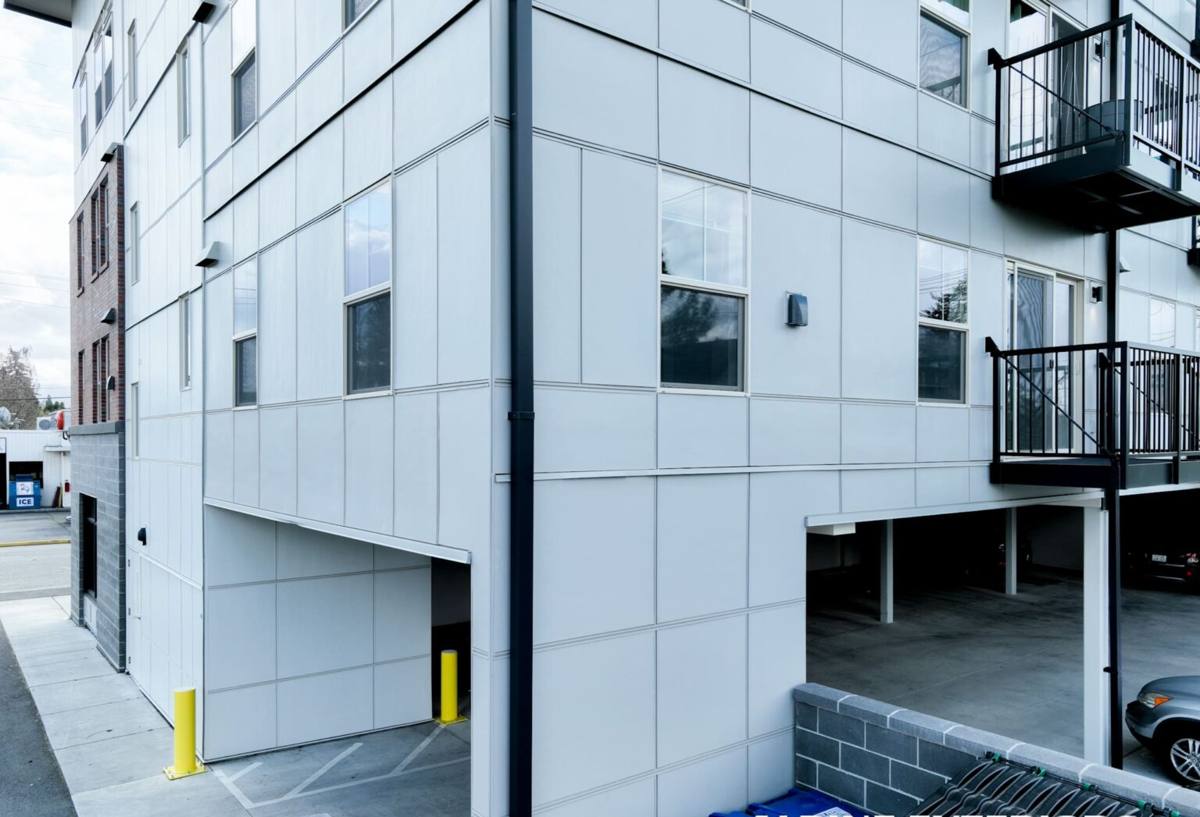
What Bayshore Gardens' Climate Does to Board and Batten Siding
Board and batten relies on vertical panels with raised battens covering the seams, which means the long-term performance of the whole system depends on how well those seams and fastener penetrations are sealed and maintained. In a community this close to Sarasota Bay, four conditions work against any siding product that isn't built for them:
- Hurricane-force wind: Vertical panel siding has more surface area exposed to uplift and lateral pressure than horizontal lap profiles, so fastening schedule and panel attachment matter even more here.
- Wind-driven rain: Storms don't just drop rain straight down — wind pushes it sideways and up under battens and trim, which is exactly where a poorly detailed board and batten job fails first.
- Intense, near-constant UV: Year-round Florida sun fades and chalks paint finishes faster than most siding warranties account for, especially on the sun-facing elevations of a home.
- Salt air: Proximity to the bay means airborne salt settles on exterior surfaces and accelerates the breakdown of fasteners, caulk, and any material without real moisture resistance.
None of these are unique to Bayshore Gardens, but they're more concentrated here than they would be for a home ten or fifteen miles inland. That's why we treat every board and batten estimate in this neighborhood as a coastal-zone job, not a standard installation with a different panel profile.
Why the Seams Are the Real Test
Every board and batten system, regardless of manufacturer, has more vertical seams per square foot than a lap siding job. Each seam is a potential water entry point if it's not backed by a proper drainage plane, correctly lapped house wrap, and battens installed with the right gap and fastening pattern. In a climate that delivers sideways rain several times a year, a board and batten installation is only as good as its seam detailing — the panel material is secondary to the workmanship at that point.
Why We Install James Hardie for Board and Batten — and Nothing Else
We standardized on James Hardie fiber cement across every project we take on, including board and batten profiles, because it's engineered for exactly the conditions described above. Hardie's HZ5 product line, which we use throughout this part of Florida, is formulated specifically for high-humidity, storm-exposed climates. A few specifics that matter for a Bayshore Gardens board and batten job:
- Non-combustible fiber cement core: Won't warp, rot, or delaminate the way wood or wood-based composite battens can when repeatedly wetted and dried.
- ColorPlus factory finish: A baked-on finish that resists the UV fading and chalking that plagues field-painted siding in this much sun, with a much longer color-hold than repainting on site.
- Engineered for wind exposure: Hardie panels and battens, installed to the manufacturer's fastening specifications, are rated for the wind pressures Manatee County construction codes require.
- Dimensionally stable: Fiber cement doesn't expand and contract with humidity swings the way wood-based panels do, which keeps butt joints and batten reveals tight over time instead of opening up gaps that catch wind-driven rain.
We get asked fairly often why we don't offer vinyl board and batten or engineered wood alternatives like LP SmartSide as a lower-cost option. The honest answer is that we've made a professional judgment call: those products can perform reasonably well in the right climate, but this isn't that climate. Vinyl board and batten flexes and can deform in high heat, and its seams are more dependent on caulk than on the panel material itself for water resistance. Engineered wood products require intact factory sealing on every cut edge to resist moisture — miss one on a jobsite and that panel starts absorbing water from the inside out. We'd rather install one product correctly, every time, than manage the trade-offs of several.
Board and Batten Material Comparison
| Material | Moisture Resistance | Wind/Storm Durability | UV & Salt Air Resistance | Maintenance |
|---|---|---|---|---|
| James Hardie fiber cement | High — non-combustible, doesn't rot or swell | Engineered and rated for high-wind zones | ColorPlus finish resists fading and chalking | Low — periodic rinse and caulk check |
| Vinyl board and batten | Moderate — relies heavily on seam caulking | Can deform or crack under high heat and wind | Fades over time, can become brittle | Low, but limited repair options if damaged |
| Engineered wood (LP-type) | Moderate — vulnerable at cut edges and seams | Adequate if installed and sealed precisely | Requires repainting on a maintenance cycle | Moderate — ongoing sealant and paint upkeep |
| Real wood (cedar/spruce) | Low in coastal humidity without diligent upkeep | Can warp, cup, or split with moisture cycling | Needs frequent refinishing near salt air | High — regular staining/painting required |
This table reflects general material behavior, not a claim about any specific competitor's product line. It's the reasoning behind why we build every board and batten project in Bayshore Gardens around fiber cement rather than the alternatives.
What a Correct Installation Actually Involves
Board and batten looks simple from the street — vertical panels, battens over the seams — but the installation sequence determines whether it holds up through storm seasons or starts failing at year five. A correct job includes:
Substrate and Moisture Barrier
Before any panel goes up, the wall sheathing needs to be sound and a properly lapped weather-resistive barrier installed, with flashing integrated at every window, door, and penetration. This is the layer that actually keeps water out of the wall assembly — the siding is the second line of defense, not the first.
Panel Layout and Fastening
Panels need to be fastened per James Hardie's published specifications for the wind zone, with attention to fastener spacing, edge distance, and penetration depth. Over-driven or under-driven fasteners are one of the most common failure points we see on prior installations we're asked to repair or replace.
Batten Placement and Gapping
Battens cover the panel seams and need consistent reveal spacing, correct fastening into structural framing (not just the panel), and enough of a gap behind them to allow the wall to breathe and drain rather than trap moisture against the seam.
Trim, Flashing, and Sealant Details
Every termination point — corners, window and door trim, the base of the wall, roof-to-wall transitions — needs proper flashing and Hardie-compatible sealant. These details matter more in a wind-driven rain event than the field of the siding does.
Our Process for a Bayshore Gardens Project
- On-site assessment: We inspect the existing wall assembly, look for prior moisture damage, and check for anything that needs repair before new siding goes on.
- Product and layout plan: We select the correct Hardie board and batten configuration and color for the home, factoring in sun exposure on each elevation.
- Prep and moisture barrier installation: Old siding removal, sheathing repair as needed, and a correctly lapped weather barrier with flashing at every opening.
- Installation to manufacturer spec: Panels and battens fastened per Hardie's wind-zone requirements, not generic contractor habits.
- Final detailing and walkthrough: Trim, caulking, and a final inspection walkthrough with the homeowner before we consider the job complete.
Why Local Experience in This Community Matters
A crew that regularly works Bayshore Gardens and the surrounding Bradenton area already understands the wind exposure categories that apply here, how close-to-bay salt air behaves differently than it does further inland, and what Manatee County permitting and inspection actually require for a siding replacement. That's not something a crew based two counties away picks up on a single job — it's built from doing this work repeatedly in this specific environment. It also means we're not guessing at how a given elevation will perform against prevailing wind and rain patterns; we've seen how similar homes in this area hold up over multiple storm seasons.
Maintenance Checklist for Board and Batten in a Coastal Climate
- Rinse siding periodically to remove salt residue, especially on elevations facing the water or prevailing wind.
- Inspect caulking at trim, window, and door terminations annually, and before hurricane season if possible.
- Check batten fastening after major storms for any that have loosened or backed out.
- Watch for chalking or fading on south- and west-facing walls, which get the most direct UV exposure.
- Keep landscaping and irrigation from spraying directly onto the base of the siding, which shortens the life of any exterior material.
- Address any soft spots, staining, or bubbling at seams promptly rather than waiting for a full inspection cycle.
Getting Started
If you're weighing board and batten siding for a home in Bayshore Gardens, we're glad to walk the property with you, look at what your current siding is telling us about past moisture or wind exposure, and put together a straightforward plan for what correct installation would involve. There's no pressure and no obligation — just a clear look at what your home actually needs. Use the form below to request a free estimate.