 Bradenton Siding
 Asphalt Shingle Roofing Built for the Braden River Corridor
The Braden River area sits close enough to the water that homes here deal with a mix of conditions you don't get further inland: humid, tree-shaded lots near the river, open exposure on the newer subdivisions further out, and the same salt-laden air that reaches most of Manatee County off Tampa Bay and the Gulf. Asphalt shingle roofs in this part of Bradenton work harder than the manufacturer's spec sheet suggests, and a roof that isn't installed with that in mind will show it early — lifted tabs after the first strong blow, granule loss well before its rated life, soft spots where moisture worked its way in around a poorly flashed penetration.
We're a Bradenton-based crew that works this side of the county regularly, and this page walks through what actually goes into a correct asphalt shingle roof for a Braden River home, not just the sales pitch version.
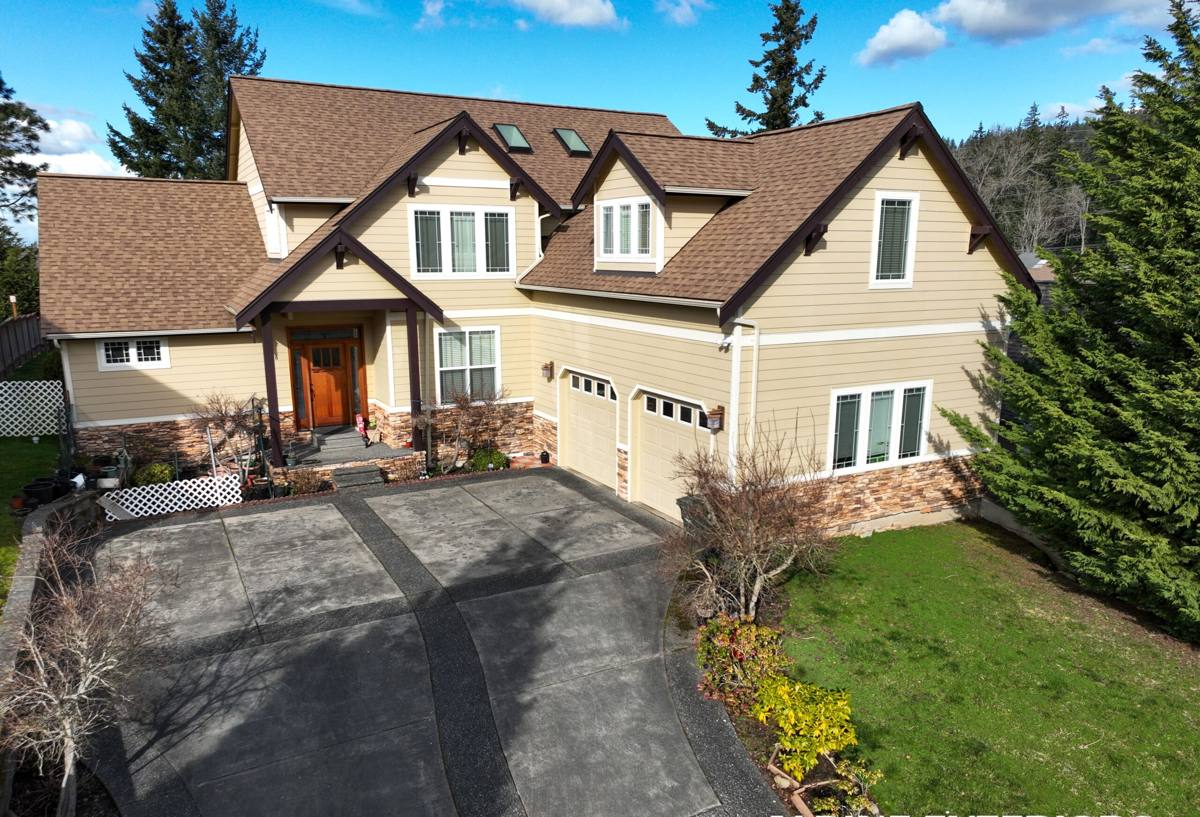
What This Climate Does to a Roof
Four things drive most of the asphalt shingle failures and premature aging we see on Braden River roofs:
- Hurricane-force wind gusts: Even homes that never take a direct hit get repeated wind events strong enough to work at loose or under-fastened shingles, especially at ridges, rakes, and eaves where wind uplift is highest.
- Intense, year-round UV: Florida sun breaks down asphalt oils faster than in most of the country, which is why a shingle rated for 25-30 years elsewhere often runs shorter here if it isn't a UV-rated product installed correctly.
- Wind-driven rain: Storms here don't just drop rain straight down — wind pushes it sideways and up under shingle edges and around flashing. A roof that would stay dry in a calm rain can leak in a wind-driven one if the underlayment and flashing details aren't right.
- Salt air: Metal components — flashing, valleys, nail heads, vent stacks — corrode faster this close to the coast. Cheap or unprotected metal is usually the first thing to fail on an otherwise sound roof.
Add in tree canopy near the river on some lots — more shade, more moisture retention, more debris in valleys and gutters — and you've got a roofing environment that punishes shortcuts. None of this means asphalt shingles are the wrong choice; it's one of the most cost-effective and widely used roofing materials in the county for good reason. It means the installation details matter more here than they do in a milder climate.
What a Correct Asphalt Shingle Job Actually Involves
Wind-Rated Shingles and Proper Fastening
Florida building code sets minimum wind-uplift requirements by county, and Manatee County's are not the same as a roof spec you'd see in a low-wind state. We install shingles rated for the wind zone and fasten them with the correct nail pattern and nail count — typically six nails per shingle in high-wind zones rather than the four sometimes used elsewhere. Nail placement matters as much as nail count; nails set too high or driven at an angle reduce holding power even when the count is technically correct.
Underlayment and the Secondary Water Barrier
The shingles are the first line of defense, not the only one. Underneath them we install a synthetic or self-adhering underlayment that acts as the roof's real waterproofing layer — this is what keeps a home dry if wind ever drives rain under a shingle tab or a shingle is lost in a storm. In the areas most exposed to wind-driven rain — eaves, valleys, and rakes — a self-adhering ice-and-water-style membrane gives extra protection where leaks are most likely to start.
Flashing and Penetrations
Chimneys, skylights, plumbing vents, and roof-to-wall intersections are where most roof leaks actually originate, not the open field of shingles. Correct flashing — step flashing at walls, proper counterflashing, sealed pipe boots — is more labor-intensive than caulking over an old flashing and reusing it, which is a shortcut we don't take.
Ventilation
A hot, poorly ventilated attic shortens shingle life from underneath, cooking the shingles from the deck side while the sun works on them from above. Balanced intake and exhaust ventilation — soffit vents paired with ridge or box vents — helps the roof and the attic insulation both last longer, and it takes some load off your air conditioning in Bradenton's long cooling season.
Shingle Options: What We Typically Recommend
| Shingle Type | Wind Performance | Typical Lifespan Here | Best For |
|---|---|---|---|
| 3-Tab Shingles | Lower wind rating, lighter weight | 15-20 years in this climate | Budget-driven projects, rental properties |
| Architectural (Laminate) Shingles | Higher wind rating, better wind-warranty options | 20-30 years with correct install | Most Braden River homes; better value long-term |
| Impact-Rated / High-Wind Shingles | Highest wind and impact rating available in asphalt | 25-30+ years | Exposed lots, homes seeking insurance premium credits |
Most Braden River homeowners land on architectural shingles — they carry a heavier, more UV- and wind-resistant construction than 3-tab shingles and typically qualify for stronger wind warranties. Algae-resistant granules are worth specifying almost everywhere in this humidity, since they slow the dark streaking that shows up on north-facing slopes and shaded roofs near tree cover.
How Our Process Works
- On-site inspection: We walk the roof (or use a drone where the pitch or condition makes that safer) and check the deck, flashing, ventilation, and current shingle condition — not just count how many squares to quote.
- Honest scope discussion: If a repair genuinely solves the problem, we say so. If the deck or underlayment is compromised, that gets flagged before work starts, not discovered mid-tear-off as a surprise change order.
- Permitting: Roof replacements in Manatee County require a permit, and we handle that as part of the job. This also matters for insurance — a permitted, inspected roof documents the wind mitigation features that can affect your premium.
- Tear-off and deck inspection: Old shingles and underlayment come off down to the deck, where we check for soft or delaminated plywood before anything new goes down.
- Dry-in the same day where possible: Given how quickly a Florida afternoon storm can roll in, we aim to get a roof dried in with underlayment before stopping for the day whenever the scope allows.
- Flashing, ventilation, and shingle installation: Detailed work first, then the shingle field, following the fastening pattern for our wind zone.
- Cleanup and magnetic nail sweep: Debris and stray nails are cleared from the yard and driveway before we consider the job done.
Repair or Replace? A Practical Checklist
Not every roof issue means a full replacement. These are the signs worth having a professional look at:
- Shingles that are cupping, curling at the edges, or losing granules in visible clumps
- Cracked or missing shingles after a wind event, especially clustered near ridges or edges
- Soft or spongy spots when walked, which usually means deck damage underneath
- Daylight visible through the roof deck from inside the attic
- Staining on interior ceilings, especially after wind-driven rain rather than calm weather
- Roof is approaching or past the manufacturer's rated lifespan for our climate
- Visible rust or lifting at flashing points around chimneys, vents, or walls
A roof with a handful of isolated issues and sound decking is often a good repair candidate. A roof with widespread granule loss, multiple soft spots, or age near the end of its rated life is usually more cost-effective to replace than to keep patching.
What Affects the Cost
| Factor | Why It Matters |
|---|---|
| Roof size and pitch | Steeper or more complex roof lines take more labor and material to do correctly and safely |
| Shingle grade selected | 3-tab vs. architectural vs. impact-rated affects both material cost and long-term value |
| Deck condition | Rotted or delaminated plywood found during tear-off needs replacement before shingles go down |
| Number of penetrations and valleys | More chimneys, skylights, and valleys mean more detailed flashing work |
| Ventilation upgrades | Adding or correcting attic ventilation is a smart add during a re-roof, not always a separate project |
| Permit and inspection requirements | Built into the job, but scope changes if code requires upgrades on an older home |
We give straightforward, itemized estimates rather than a single vague number, so you can see what's driving the price before you decide anything.
Why a Crew That Already Works Braden River Matters
Roofing rules and realities differ by county, and sometimes by neighborhood. A crew that regularly works this area already knows Manatee County's permitting process, understands what local wind mitigation inspections look for, and has a feel for how this specific mix of coastal air, humidity, and storm exposure treats a roof over time. That translates into fewer surprises during the job and a roof that's built for what this location actually experiences, not a generic install.
Being local also means faster response if a storm damages your roof and you need someone to assess it or get a tarp on quickly — you're not waiting on a crew that has to drive in from another part of the state.
After Installation: Keeping Your Roof Performing
A well-installed asphalt shingle roof still benefits from basic upkeep in this climate. Clearing debris from valleys and gutters — especially on lots with tree cover near the river — prevents water from backing up under shingle edges. A quick visual check after any major wind event, looking for lifted or missing shingles, catches small problems before they become interior leaks. Keeping attic ventilation clear and unobstructed helps the roof shed heat instead of cooking from underneath. None of this requires a professional every time, but a periodic professional inspection — particularly after hurricane season — is worth the hour it takes.
If you're weighing a repair, a full replacement, or just want an honest read on where your Braden River roof stands, we're happy to take a look. The form below gets you a free, no-pressure estimate — no obligation, just a straight answer about what your roof actually needs.