 Bradenton Siding
 Why Bayshore Gardens Siding Has a Harder Job Than Most
Bayshore Gardens sits in Manatee County, close enough to the water that its homes take on a different set of stresses than siding a few miles inland has to deal with. Between hurricane season wind loads, near-constant Florida sun, and the salt-laden air that comes off the coast, exterior siding here is doing real structural and protective work every single day, not just holding up appearances. A siding job that would be perfectly adequate in a drier, cooler climate can start failing within a few years in Bayshore Gardens if it wasn't built or installed with this environment in mind.
That's the lens we use on every fiber cement siding project in this neighborhood: not "what looks good going up," but "what's still going to be doing its job in fifteen or twenty years." That standard is why we only install James Hardie fiber cement siding, and why we treat installation details that other crews skip as non-negotiable.
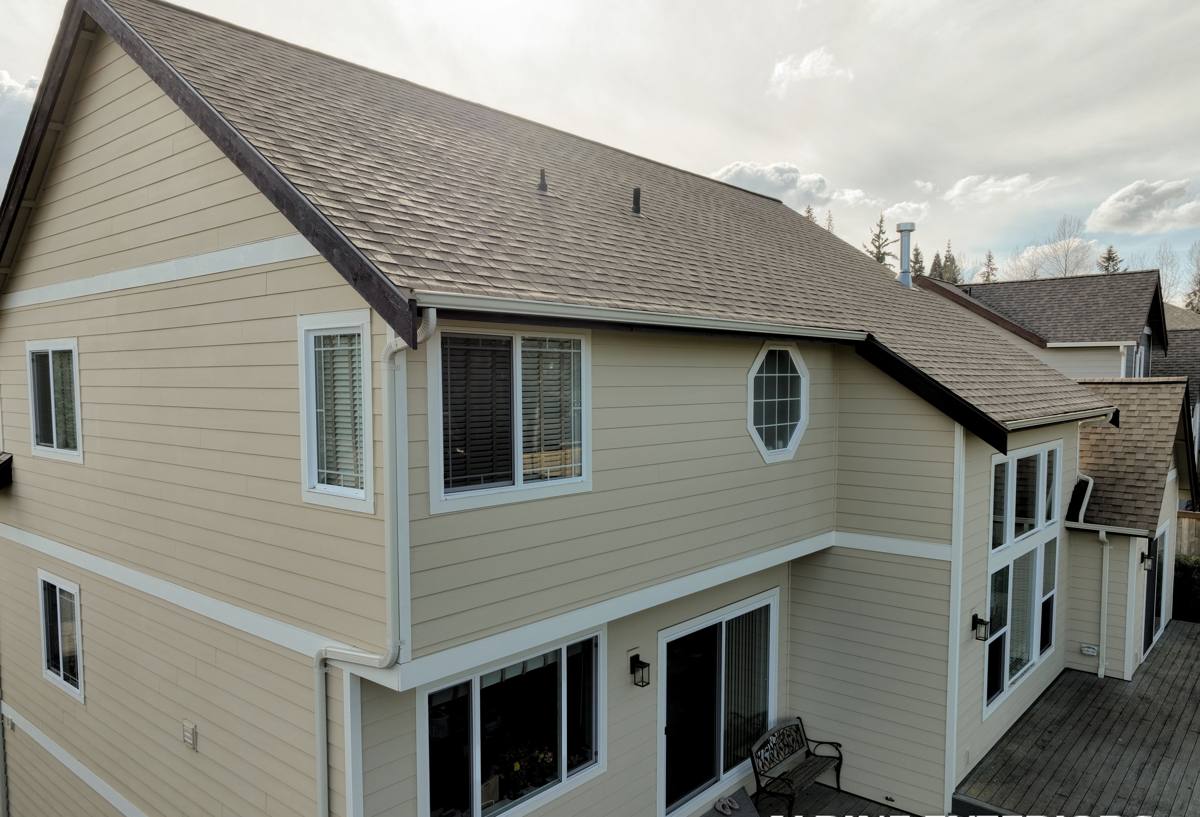
What the Local Climate Actually Does to Siding
Wind and Storm Pressure
Manatee County sees hurricane-force wind events, and even routine summer storms push wind-driven pressure against exterior walls. Siding that isn't fastened correctly, or that relies on a weak locking system, can lift, crack, or blow off entirely in a strong gust — long before the storm that gets named. Fiber cement's weight and rigidity give it a real advantage here, but only when the fastening pattern and clearances are done to spec.
UV and Heat Cycling
Florida sun is intense and year-round, not seasonal. Siding materials that rely on paint film for color and protection take a beating from UV exposure — the surface chalks, fades unevenly, and eventually the paint bond breaks down, exposing the substrate underneath. Materials also expand and contract through daily heat cycles, and repeated movement stresses seams, caulk joints, and fasteners over time.
Salt Air and Coastal Humidity
Proximity to the coast means airborne salt settles on exterior surfaces and accelerates corrosion of unprotected fasteners and metal trim. Combined with Florida's humidity, materials that can absorb moisture are more prone to swelling, soft spots, and mold or mildew growth, particularly on shaded or north-facing walls that don't get much drying sun.
Wind-Driven Rain
It isn't just how much rain falls — it's the angle it arrives at. Wind-driven rain gets forced sideways and upward under laps, around penetrations, and behind trim in ways that gentle, vertical rain never would. If flashing and water management details are wrong, water finds its way behind the siding regardless of how good the surface material is.
Why We Install Only James Hardie Fiber Cement
We don't install vinyl, LP SmartSide, primed wood, or cedar, and it's not because those products have no merit — it's because none of them hold up to this specific combination of wind, UV, and salt air as consistently as fiber cement does when we're the ones responsible for what goes on a Bayshore Gardens roofline. Vinyl can warp and become brittle under sustained heat and UV, and it isn't rated for the wind speeds this area regularly sees. Engineered wood products are dimensionally stable but remain wood-based, which means they're more sensitive to sustained moisture exposure than a cement-based product. Natural wood siding requires the most ongoing maintenance of any option and is the least forgiving of Florida's humidity swings.
Engineered for Florida — the HZ5 Product Line
James Hardie manufactures region-specific product lines, and the HZ5 formulation is engineered for high-humidity, high-moisture climates like Florida's. It resists moisture absorption, warping, and cracking better than a generic fiber cement product, which matters in a community that deals with humidity twelve months a year, not just during a rainy season.
A Factory Finish That Doesn't Rely on Field Paint
James Hardie's ColorPlus finish is baked on in a controlled factory environment, not brushed or sprayed on-site. That gives it more consistent UV resistance and color retention than field-applied paint, which is exactly the weak point that fails first on painted wood and engineered wood siding under Florida sun. Fiber cement itself is also non-combustible, which is a meaningful difference from wood-based products in terms of fire risk to the structure.
What a Correct Fiber Cement Installation Actually Involves
Fiber cement siding's real-world performance depends almost entirely on installation quality. The material itself is engineered well; most siding failures we get called out to inspect trace back to shortcuts taken during installation, not a defect in the boards themselves.
Flashing and Moisture Management
Every window, door, and penetration needs proper flashing and a weather-resistant barrier installed underneath the siding, with laps sequenced so water is always directed outward and down. Skipping or rushing this step is invisible on install day and shows up as rot or water intrusion years later — exactly the kind of failure that's expensive to trace and repair once it's hidden behind finished walls.
Fastening and Clearances
Fiber cement has specific fastening requirements — nail or screw type, spacing, and how close to the board edge the fastener sits all affect wind performance. Boards also need proper clearance from rooflines, decks, and grade to avoid trapping moisture against the bottom edge. Field-cut edges need to be sealed or primed, and butt joints need to be caulked with a product rated for exterior movement, not general-purpose caulk that will fail in a season or two.
How Common Siding Materials Compare in This Climate
| Material | UV / Color Durability | Wind Resistance | Moisture Behavior | Typical Maintenance |
|---|---|---|---|---|
| Vinyl | Fades, can become brittle under sustained heat | Lower wind ratings; prone to lifting or cracking | Doesn't absorb water but seams can let it behind the panel | Low, but limited repair options once damaged |
| Wood / Cedar | Relies entirely on paint/stain upkeep | Moderate, depends on fastening | Absorbs moisture; prone to rot and insect damage in humidity | High — regular repainting and sealing |
| Engineered Wood (LP SmartSide) | Paint-dependent, similar UV exposure as wood | Good when installed correctly | Wood-based core is moisture-sensitive if seals fail | Moderate — seam and edge maintenance is critical |
| James Hardie Fiber Cement | Factory ColorPlus finish resists fading and chalking | Rated for high wind zones when installed to spec | Cement-based; HZ5 formulated for humid climates | Low — periodic cleaning and caulk inspection |
What Affects the Cost of a Fiber Cement Siding Project
Every home in Bayshore Gardens is different, so we don't quote a job without seeing it, but a few factors consistently move the price:
- Home size and wall complexity — more corners, gables, and trim detail mean more labor and material cuts
- Current siding removal — tear-off and disposal of existing material adds time, especially with old wood or multiple layers
- Substrate condition — any rot, water damage, or sheathing repair found once old siding comes off
- Board profile and ColorPlus color selection — lap size and finish tier affect material cost
- Trim, soffit, and fascia work bundled into the same project
We walk every project through these factors on-site before giving a number, rather than estimating from a photo or a phone call.
Our Process for a Bayshore Gardens Siding Project
We start with an on-site assessment of the home's current siding, trim, and any moisture or structural issues hiding underneath — this is where we catch problems that need to be addressed before new siding goes on, not after. From there we walk through board profile, color, and trim options, and put together a detailed estimate that reflects the actual condition of the house, not a generic per-square-foot guess.
Installation follows manufacturer specifications for fastening, clearances, and flashing at every window, door, and penetration — the details covered above aren't optional add-ons, they're how the job is done by default. We keep the site clean and protected throughout, and once the project is complete we walk the home with the owner and handle warranty registration so the coverage is properly on file.
Maintenance After Installation
Fiber cement is low-maintenance compared to wood or vinyl, but "low-maintenance" isn't "no-maintenance," especially in a coastal-adjacent climate. A periodic rinse to remove salt residue and airborne debris keeps the ColorPlus finish looking right. Caulk joints at trim and butt seams should be checked annually and re-sealed if they're cracking or pulling away, since caulk failure — not the siding itself — is the most common source of water intrusion on an otherwise well-installed job. Keeping mulch, plants, and irrigation heads from holding moisture or spraying directly against the bottom courses also goes a long way in this humidity.
Why Hire a Crew That Already Works in Bayshore Gardens
A crew that regularly works this specific area already understands what local wind exposure, sun angle, and humidity do to a home over time, rather than treating every job as a generic siding install. That familiarity shows up in the details — how flashing is sequenced around a Florida-style window, how clearances are handled near a slab-on-grade foundation, how joints are sealed to survive a Gulf Coast summer. It also means someone accountable and reachable if a warranty question or a storm-related concern comes up down the road, not a crew that installed the siding and then moved on to another state.
Questions Worth Asking Before You Hire a Siding Contractor
- Do you install James Hardie exclusively, or multiple brands — and why?
- Will you show me the flashing and fastening plan before work starts, not just after?
- What's your process if you find rot or water damage once old siding comes off?
- Is warranty registration handled for me, and what does that warranty actually cover?
- Can you walk me through how you handle wind-driven rain around windows and doors specifically?
If your Bayshore Gardens home's siding is fading unevenly, showing soft spots, or just due for an honest look, we're happy to walk the property and give you a straightforward assessment. Reach out for a free, no-pressure estimate using the form below.