 Bradenton Siding
 Board & Batten Siding Built for Whitfield Estates' Coastal Climate
Whitfield Estates sits close enough to Sarasota Bay and the Gulf that its homes take on a different weather load than houses a few miles inland in Manatee County. Board & batten siding — the vertical panel-and-strip look that reads as classic Florida coastal architecture — is one of the most requested exterior upgrades in this neighborhood, and for good reason. Done right, with the correct material and the correct fastening detail, it holds a crisp, clean line for decades. Done wrong, it's one of the faster siding styles to fail, because every vertical seam and every batten strip is a place for wind-driven rain to find a way in.
This page is about that one job, in that one neighborhood: what Whitfield Estates homes actually need from a board & batten installation, what separates a correct job from a good-looking-for-now job, and why we only build this look in James Hardie fiber cement.
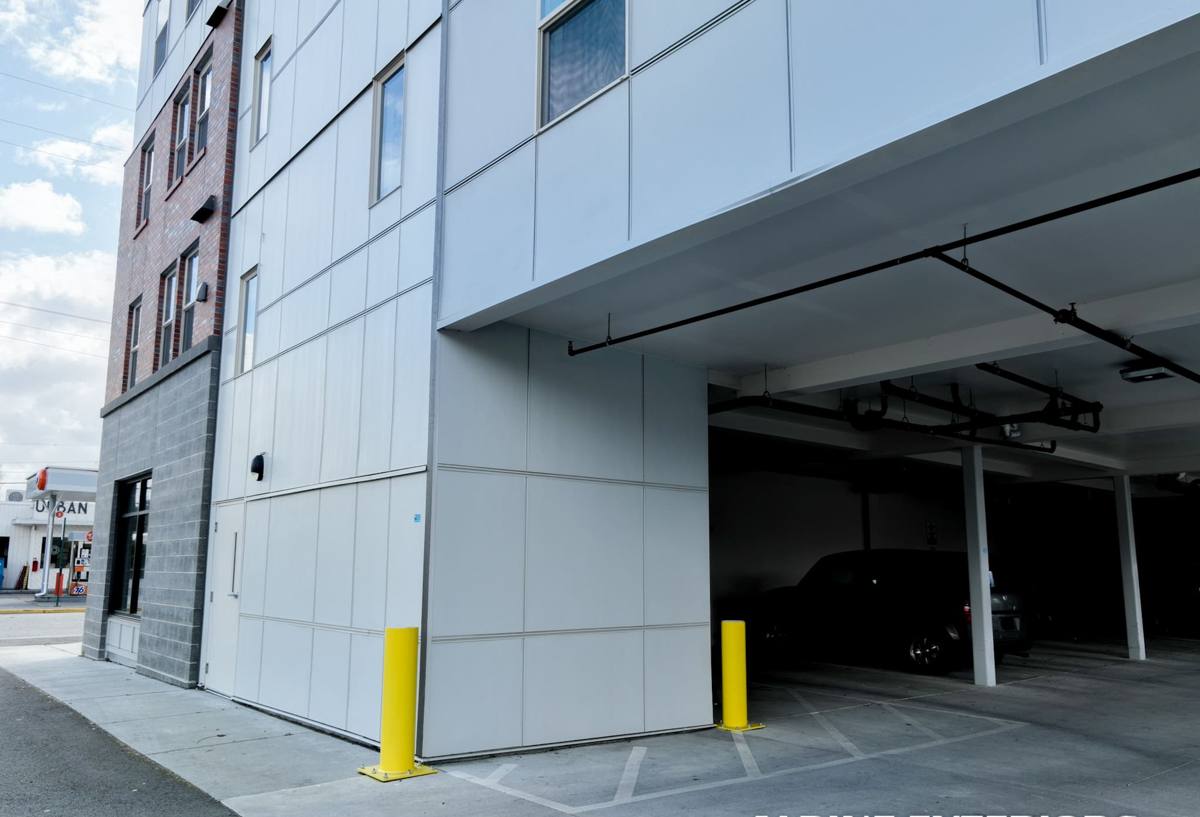
What This Neighborhood's Weather Does to a Wall System
Hurricane-Force Wind and Storm Pressure
Manatee County sits squarely in a hurricane-exposed part of the Gulf Coast, and Whitfield Estates' proximity to open water means wind load isn't a once-a-decade concern — it's a design input. Vertical siding profiles like board & batten have more edges and more fastener points exposed to uplift than a standard lap siding wall. If the battens aren't fastened into solid substrate at the correct spacing, they become the first thing that peels back in a wind event.
Intense, Year-Round UV
Florida sun doesn't take a season off. Painted wood and lower-grade composite trims chalk, fade, and become brittle faster here than almost anywhere else in the country, and a board & batten wall has a lot of exposed trim edge for that sun to work on.
Wind-Driven Rain
Rain in this area rarely falls straight down. In a storm it comes in sideways, and vertical siding channels water differently than horizontal lap. Every batten seam is a potential entry point if the water-resistive barrier and flashing details underneath aren't built for that specific geometry.
Salt Air and Coastal Corrosion
Being near the bay means airborne salt settles on everything, including fasteners and trim. Salt air accelerates corrosion on the wrong hardware and speeds up wear on materials that aren't engineered to handle it.
What a Correct Board & Batten Installation Actually Involves
The Vertical Panel Layer
Board & batten starts with a base layer of vertical panel siding, over which the batten strips are installed to create the classic reveal lines. The panel itself needs to be rated for the wind exposure of the site and installed over a properly prepared substrate — not applied directly over questionable sheathing or old siding that's hiding rot.
Batten Placement and Fastening
The battens carry a lot of the visual weight of this style, and they also carry real structural responsibility. Spacing, fastener type, fastener length, and penetration depth into framing all matter — this isn't a place to use whatever nail happens to be in the gun. Corrosion-resistant fasteners are non-negotiable this close to the water.
Flashing, Water-Resistive Barrier, and Seams
Every seam, every window and door transition, and every horizontal joint needs proper flashing and a continuous water-resistive barrier behind it. This is the part of the job that's invisible once the siding goes up — and it's the part that determines whether the wall stays dry through the next decade of storms or starts hiding moisture damage behind a nice-looking exterior.
Why We Install This Look Only in James Hardie Fiber Cement
Board & batten can technically be built out of several materials, and homeowners in Whitfield Estates sometimes ask about vinyl board & batten panels, engineered wood products like LP SmartSide, or traditional primed wood or cedar boards. We don't install any of those, and we think homeowners deserve the honest reasoning rather than just a "we don't do that."
- Vinyl board & batten is light and low cost, but it softens and can distort in sustained high heat, and in wind events it's more prone to cracking or blowing off at the fastener points than a heavier, screw-and-nail-rated fiber cement panel.
- Engineered wood (LP SmartSide and similar) uses a wood-strand core that performs well when it stays dry, but it depends heavily on paint maintenance and correct edge-sealing to keep moisture out. In a wind-driven-rain climate, any lapse in that maintenance schedule shortens its life.
- Primed wood or cedar boards give the most traditional look, but real wood in coastal Florida means an ongoing cycle of repainting, caulking, and watching for rot — a maintenance commitment that doesn't fit how most homeowners actually want to spend their weekends.
James Hardie fiber cement is non-combustible, dimensionally stable in heat and humidity, and Hardie's HZ5 product line is specifically engineered for hot, humid, high-moisture climates like ours. The factory-applied ColorPlus finish is baked on and warrantied against fading and peeling, which matters enormously in a neighborhood that gets this much direct sun. It's also backed by a strong, transferable manufacturer warranty — something that carries real weight if the home changes hands.
Board & Batten Material Comparison for Whitfield Estates Homes
| Factor | James Hardie Fiber Cement | Vinyl Board & Batten | Wood / Engineered Wood |
|---|---|---|---|
| Wind resistance | Engineered and rated for high-wind installation | Prone to cracking or blow-off in sustained high wind | Depends on fastening; wood can split under wind load |
| Moisture behavior | Does not rot; stable when properly flashed | Doesn't rot but seams can trap water behind panels | Vulnerable to swelling, rot, and core damage if moisture gets in |
| UV / fade resistance | Factory ColorPlus finish resists fading | Can fade and become brittle over time | Paint fades and chalks, needs repainting cycles |
| Salt air durability | Engineered for coastal exposure | Generally stable but hardware can corrode | Salt accelerates paint breakdown and hardware corrosion |
| Maintenance | Occasional wash; repaint on a much longer cycle | Low maintenance but limited repair options once damaged | Regular repainting, caulking, and rot inspection |
| Fire rating | Non-combustible | Combustible | Combustible |
Our Process for a Whitfield Estates Board & Batten Project
- On-site assessment. We walk the exterior, check the existing substrate for hidden moisture or rot, and measure for the vertical panel and batten layout.
- Substrate and wall prep. Any compromised sheathing gets addressed before new siding goes up — covering over a problem never fixes it.
- Water-resistive barrier and flashing. This is installed to handle wind-driven rain at every seam, window, and door before a single panel goes on.
- Panel and batten installation. Hardie vertical panels are installed to manufacturer spec, followed by battens fastened at the correct spacing with corrosion-resistant fasteners.
- Trim, caulking, and finish detail. Edges, corners, and transitions are sealed and finished for a clean line.
- Final walkthrough. We review the completed work with the homeowner before calling the job done.
Questions to Ask Before You Hire a Board & Batten Crew
Whitfield Estates has enough exterior work happening at any given time that homeowners often get multiple bids. Here's what actually separates a crew that will do this correctly from one that's just fast:
- Do they install board & batten regularly, or is this a rare request for their crew?
- Will they show you the flashing and water-resistive barrier plan before panels go up, not just the finished look?
- Are they using corrosion-resistant fasteners rated for coastal exposure?
- Do they carry manufacturer certification or documented experience with the specific product they're proposing?
- Is the manufacturer warranty transferable if you sell the home?
- Do they have current licensing and insurance appropriate for exterior work in Manatee County?
Maintenance and What to Expect Long-Term
One of the practical advantages of James Hardie board & batten in this climate is how little ongoing attention it needs compared to wood or engineered wood alternatives. An occasional rinse to clear off salt residue and pollen, a visual check of caulking at trim joints after major storms, and prompt attention if a panel is ever impacted are really the extent of it. There's no annual repainting cycle built into the ownership of this siding the way there is with wood.
A Look That's Worth Doing Once, the Right Way
Board & batten is a striking exterior style, and it's a visible one — every seam and every batten line is right there to see. In a neighborhood exposed to hurricane-force wind, constant UV, wind-driven rain, and salt air, the difference between a board & batten wall that still looks sharp in ten years and one that's already showing problems almost always comes down to the material choice and the installation detail underneath the surface, not the paint color on top.
If you're weighing a board & batten update for a Whitfield Estates home, we're happy to walk the exterior with you, look at what your walls are actually dealing with, and put together a straightforward, no-pressure estimate. There's no cost and no obligation to start that conversation — the form below gets you on our schedule.