 Bradenton Siding
 Building Decks for Life Along the Braden River
Braden River is one of the more distinct places to build outdoor living space in the Bradenton area. Many homes here sit close to the water, under mature tree canopy, with the kind of humidity and shade you don't get on a typical inland Manatee County lot. That combination is great for enjoying a deck in the evening. It's much harder on the deck itself. A design and material package that holds up fine on a sun-baked, open lot a few miles away can fail early here — cupping boards, rusting fasteners, or a substructure that stays damp long after a storm has passed.
We build decks for homeowners throughout the Braden River area and the rest of Bradenton, and we treat this stretch of the river as its own environment, not a smaller version of a generic Florida job. That means different material recommendations in some cases, different hardware, and more attention to drainage and airflow underneath the structure than you'd need on a dry, unshaded site.
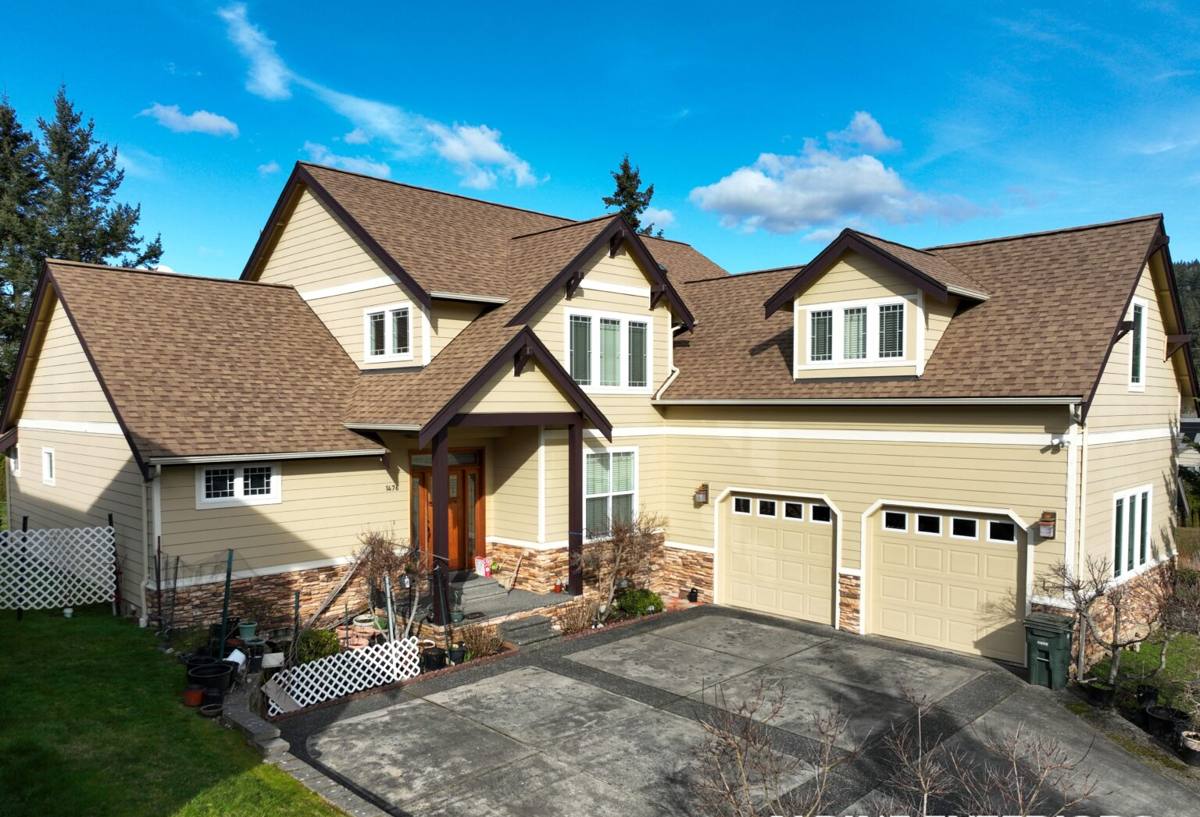
What the Braden River Environment Actually Does to a Deck
A few conditions show up together here more than almost anywhere else in the region, and each one attacks a deck differently.
Shade and humidity from the river and tree canopy
Riverside lots with mature oaks and other tree cover hold moisture longer after rain than open lots do. Decking that never fully dries out between rain events is decking that grows algae, mildew, and moss faster, and wood that sits damp for long stretches is wood that rots faster from the inside of the board out, not just on the surface.
Wind-driven rain and hurricane-force gusts
Manatee County sits in a wind zone that gets tested by tropical systems most years, and a deck's attachment to the house and its footings are what keep it in one piece during a real event. Wind-driven rain also drives water sideways into joints and connections that a standard rain event never reaches, which is why flashing details matter as much as the decking material itself.
Salt air
Braden River connects out toward the Gulf, and salt-laden air moves through this corridor even well upriver from open water. Salt air accelerates corrosion in fasteners and metal connectors far faster than it degrades wood or composite decking. A deck can look fine on the surface while its hidden hardware is quietly corroding.
Year-round intense UV
Florida sun fades and dries out wood fiber, breaks down cheaper composite formulations, and cooks sealants and finishes faster than most homeowners expect. Any exposed section of a Braden River deck gets full-strength UV for most of the year.
Choosing the Right Decking Material for This Site
There's no single "best" decking material — there's a best fit for a given lot, budget, and how much upkeep the homeowner actually wants to do. On a shaded, humid, riverside lot, the trade-offs shift compared to a dry inland yard.
| Material | How it handles shade/humidity | How it handles salt air | Maintenance |
|---|---|---|---|
| Pressure-treated pine | Needs regular cleaning and resealing to resist mildew in shaded areas; can cup or warp if it stays damp | Not affected directly, but fasteners and hardware need to be corrosion-rated | Annual cleaning, resealing every 1-3 years |
| Tropical hardwoods (ipe, cumaru, etc.) | Naturally dense and rot-resistant even in damp, shaded conditions | Wood itself is unaffected; hardware still needs to be corrosion-rated | Periodic oiling for color; structurally low-maintenance |
| Capped composite | Resists rot and mildew staining better than wood, though algae can still grow on the surface in deep shade | Not affected directly; still depends on hardware quality | Occasional washing; no sealing or staining |
| Cellular PVC | Fully resists moisture damage and rot; best option for consistently damp, shaded spots | Not affected | Lowest upkeep; occasional cleaning |
On heavily shaded riverside lots, we lean homeowners toward capped composite or PVC in the areas that stay damp longest, and reserve budget wood species for sections that get more sun and airflow. That's a judgment call based on the specific lot, not a blanket recommendation — a well-built wood deck with a real maintenance routine still performs well here.
Cost Factors Homeowners Should Understand Up Front
| Factor | Why it moves the price |
|---|---|
| Decking material | Pressure-treated pine costs the least up front; hardwoods and PVC cost the most, with composite in between |
| Height and footings | Elevated decks near the river often need deeper or more numerous footings depending on soil and grade |
| Railing type | Wood and aluminum railing cost less than glass or cable systems |
| Roof or cover | Adding a roof, pergola, or screen enclosure is a separate structural scope, priced on top of the deck itself |
| Permit and engineering | Elevated or larger decks may require engineered plans, which adds a fixed cost regardless of size |
Framing and Fasteners: Where Decks Actually Fail
Almost every deck failure we see traces back to the substructure or the connections, not the decking boards on top. This matters more on a Braden River lot because of the combination of salt air and standing humidity.
- Ledger board attachment to the house must be properly flashed to keep water from tracking into the house's wall framing — this is one of the most common defects in older or DIY-built decks
- Joist hangers and structural connectors should be rated for the coastal/corrosive environment, not standard interior-grade hardware
- Fasteners should match the corrosion resistance of the connectors — mixing metals or using undersized screws creates weak points that fail quietly over years
- Footings need to reach proper load-bearing depth for the soil on site, which can vary noticeably between lots close to the river and those set back from it
- Joist spacing and blocking should account for the actual decking material chosen, since composite and PVC often have different span requirements than wood
None of this is visible once the deck is finished, which is exactly why it's the part worth asking a contractor about directly before work starts.
Elevation, Grading, and Water Management
Riverside lots don't drain the same way inland lots do. Grade can be flatter, soil can stay saturated longer after heavy rain, and some yards see periodic high water during major storm events. A deck built without accounting for this can end up trapping water underneath it, which keeps the framing damp long after the yard has dried out.
Where the site allows it, we grade and gap the substructure to let air and water move through rather than pool. On lower sections of a lot, that sometimes means adjusting the deck's height or footing design specifically to keep the framing above standing water during normal wet-season rain, separate from any flood-zone requirements the county may apply to the property.
Permits and Codes for Bradenton and Manatee County
Deck construction in Bradenton falls under the Florida Building Code, which sets wind-load and structural requirements based on the county's design wind speed. Manatee County requires a permit for most new decks and significant deck rebuilds, and elevated decks typically need engineered footing and framing details submitted with the application. Waterfront and riverside properties can also carry additional review depending on flood zone designation and any setback requirements tied to the river itself.
We handle the permit submission and inspection scheduling as part of the build, so homeowners aren't the ones tracking down what the county needs.
Our Deck Building Process
- On-site visit: we walk the lot, note grade, shade, tree cover, and how close the build sits to the water
- Material and layout discussion: honest trade-offs between wood, composite, and PVC based on that specific site, not a generic recommendation
- Design and engineering: footing layout, framing plan, and railing details, engineered where the county requires it
- Permitting: submission and follow-up with Manatee County so the project stays on schedule
- Construction: footings, framing, decking, and railing, built to the flashing and fastener standards this environment calls for
- Final walkthrough: inspection sign-off and a plain-English rundown of what maintenance the specific materials used will need
Maintaining a Deck on the Braden River
Maintenance needs vary by material, but the shaded, humid conditions along the river mean most decks here need attention slightly more often than a deck on an open, sunny lot would.
- Sweep leaf litter and debris regularly — trapped organic material holds moisture against the decking and accelerates staining and rot
- Clean mildew and algae growth as soon as it appears rather than letting it establish, especially in permanently shaded sections
- Reseal or re-stain wood decking on a regular schedule rather than waiting until it visibly fades
- Check railing posts, stair connections, and any visible hardware periodically for rust or corrosion, particularly on lots closer to open water
- Keep the area underneath the deck clear of stored items and vegetation so air can keep moving through the framing
Why It Matters to Hire a Crew That Already Works This Area
A deck built to generic specifications will often survive just fine on a dry, open lot. On a shaded, humid, salt-air lot along the Braden River, the same generic build shows problems years earlier — soft framing, corroded hardware, or algae that keeps coming back no matter how often it's cleaned. Knowing which fasteners, flashing details, and materials actually hold up on this specific stretch of the river isn't something you learn from a manual. It's something a crew learns from building and later repairing decks in this exact area, season after season.
If you're planning a new deck or replacing one that hasn't held up, we're happy to come take a look at your Braden River property and give you an honest read on what it needs. Reach out for a free, no-pressure estimate using the form below.