 Bradenton Siding
 Metal Roofing Built for Bradenton Beach's Barrier Island Conditions
Bradenton Beach sits right on the water, and that location is exactly why a roof here has to work harder than one a few miles inland in Manatee County. Salt-laden air moves through every day, the sun is intense and constant, and when a storm rolls in off the Gulf, the wind and rain hit this stretch of coastline first and hardest. Asphalt shingles can be made to work here, but metal roofing is often the better long-term answer for homeowners who want a system engineered around these specific conditions rather than one that simply tolerates them.
This page covers what a metal roof needs to do on a Bradenton Beach home, what separates a correct installation from a problem waiting to happen, and how we approach the job on barrier island properties specifically.
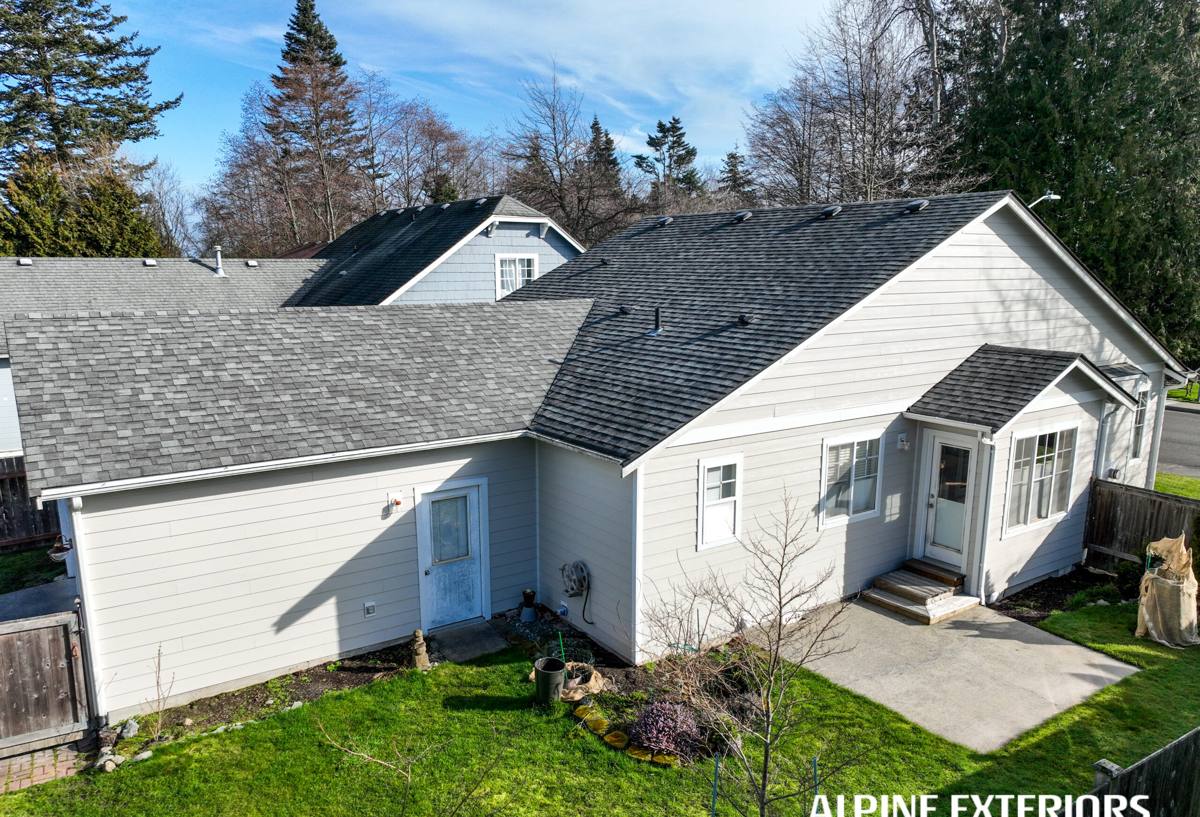
What the Coastal Environment Does to a Roof Over Time
Every roofing material on the island is fighting the same three forces, just to different degrees.
Salt Air and Corrosion
Airborne salt is constantly settling on every exposed surface near the water. On a roof, that means fasteners, flashing, and any exposed metal edges are under continuous low-level corrosive pressure. The wrong fastener or an unprotected cut edge can start rusting years before the rest of the roof shows any wear, and once corrosion starts at a fastener it tends to spread into the surrounding panel.
Year-Round UV Exposure
Florida sun doesn't take a season off, and it's especially direct on an open barrier island with little tree cover in many yards. UV breaks down coatings, dries out sealants, and fades color on lower-quality finishes faster than most homeowners expect. A roof's finish coating is doing real structural work, not just cosmetic work — it's the layer protecting the metal underneath.
Wind-Driven Rain and Hurricane-Force Wind
When wind pushes rain sideways, water finds its way under laps, around penetrations, and into any gap that wasn't detailed correctly. Add hurricane-force gusts and the roof also has to resist uplift at the edges and corners, where wind pressure is highest. A metal roof that's rated for high wind but poorly installed can still fail at these pressure points — the rating on the product doesn't matter if the installation doesn't achieve it.
Choosing the Right Metal Roofing System
Not every metal roofing product performs the same way in a coastal environment. The three main categories homeowners in this area consider are standing seam, exposed-fastener panels, and metal shingles.
| System | How It's Attached | Coastal Considerations |
|---|---|---|
| Standing seam | Concealed clips, no exposed fasteners on the field of the roof | Best resistance to wind-driven rain intrusion and fastener corrosion since fasteners aren't exposed to weather; typically the strongest wind uplift performance when installed correctly |
| Exposed-fastener panel | Screws driven through the panel face into the deck or purlins | Lower upfront cost, but every fastener penetration is a potential leak and corrosion point that needs the right screw, washer, and coating; fasteners need periodic inspection over the life of the roof |
| Metal shingles / stone-coated panels | Interlocking panels, often with concealed fasteners | Can mimic the look of shingles or tile while adding wind and corrosion resistance; installation quality and flashing detail matter as much as the product itself |
For homes directly on the water in Bradenton Beach, we lean toward standing seam or a quality concealed-fastener metal shingle system for anything facing direct salt spray or unobstructed Gulf-side wind. Exposed-fastener panels still have a place — outbuildings, garages, budget-driven projects — but we're upfront that they carry a higher long-term maintenance commitment in this environment.
Metal, Fasteners, and Coatings That Actually Hold Up Near Salt Water
Base Metal
Aluminum and coated steel are the two common choices. Aluminum doesn't rust and holds up very well against salt air, which is why it's a common recommendation for immediate coastal properties. Coated steel (galvanized or Galvalume) can also perform well, but the coating and cut-edge protection have to be correct, since exposed steel edges are where corrosion starts first.
Fasteners and Galvanic Compatibility
Mixing incompatible metals — for example, the wrong fastener alloy against an aluminum panel — sets up galvanic corrosion, where one metal accelerates the breakdown of the other. This is a detail that's easy to get wrong and expensive to fix later, since the damage often isn't visible until it's advanced. We match fastener and flashing metals to the panel material, not the other way around.
Finish Coatings
The paint or coating system on a metal roof is what stands between the sun and salt air and the base metal. Higher-grade PVDF (often called Kynar-type) coatings resist UV fading and chalking far better over time than lower-grade coatings, which matters more here than in a shaded, inland yard. We talk through coating tiers with every homeowner as part of the estimate rather than defaulting to whatever's cheapest.
Wind Rating and Local Code Requirements
Manatee County, including Bradenton Beach, falls under Florida Building Code wind-borne debris and high-wind provisions given its proximity to the coast. Any metal roofing system we install carries a Florida Product Approval or Miami-Dade Notice of Acceptance rating appropriate to the site's wind exposure, and the attachment pattern — clip spacing, fastener schedule, panel gauge — is what actually delivers that rating in the field, not just the product data sheet.
Permitting on barrier island properties can also involve additional review depending on flood zone and setback requirements. We pull the required permits and coordinate inspections as part of the job rather than leaving that on the homeowner.
Our Installation Process
- Inspection and assessment: We check the existing roof deck, structure, and any signs of past water intrusion before recommending a system.
- Tear-off or recover decision: Most coastal homes benefit from a full tear-off so we can inspect and repair the deck underneath, rather than covering up unknown problems.
- Deck prep and underlayment: A self-adhered, waterproof underlayment is standard on our coastal jobs specifically because it seals around fastener penetrations, which matters when wind-driven rain is a regular occurrence.
- Panel installation: Panels and clips are installed to the spacing and fastening pattern required by the product's wind rating for this site's exposure category.
- Flashing and penetration detail: Valleys, walls, vents, and any roof penetrations get custom-formed flashing, not generic trim pieces stretched to fit.
- Final walkthrough and cleanup: We walk the finished roof with the homeowner and clear the site of debris and stray fasteners (which matters more on a metal roof, where a stray screw can scratch a finish or cause a trip hazard).
Maintenance in a Salt Air Environment
Metal roofing is low-maintenance compared to most alternatives, but "low-maintenance" isn't "no-maintenance" this close to the water. A simple annual check goes a long way:
- Rinse accumulated salt residue off the roof surface periodically, especially after long dry stretches without rain
- Check exposed fasteners (if the system has any) for early signs of rust or backing out
- Clear debris from valleys and gutters so water isn't sitting against panel seams
- Look at sealant and flashing points around penetrations for cracking or gaps after storm season
- Watch for scratches or chips in the finish coating and address them before bare metal is exposed
What Drives the Cost of a Metal Roof Here
| Factor | Why It Matters |
|---|---|
| System type | Standing seam typically costs more than exposed-fastener panels due to labor and material differences |
| Base metal | Aluminum generally carries a premium over coated steel but offers superior corrosion resistance right on the water |
| Coating grade | Higher-grade PVDF finishes cost more upfront but hold color and resist chalking longer under constant UV |
| Roof complexity | Valleys, dormers, and multiple penetrations add labor and custom flashing work |
| Deck condition | Rot or damage found at tear-off adds repair cost but is far cheaper to fix now than after a leak develops |
| Wind-rated attachment | Meeting the required uplift rating for this exposure category affects clip spacing and fastener count, which affects labor |
We give a firm, itemized estimate after inspecting the actual roof rather than a rough number over the phone — the deck condition and roof complexity vary too much house to house to guess accurately.
Why a Crew That Already Works Bradenton Beach Matters
A metal roofing crew that mostly works inland jobs isn't necessarily wrong about metal roofing in general, but they may not have the day-to-day experience with what this specific stretch of coastline does to fasteners, coatings, and flashing details over a few years. Working regularly on the barrier island also means we're familiar with local permitting expectations in Manatee County, the logistics of getting equipment and materials onto the island, and the wind exposure conditions specific to Gulf-front and near-Gulf properties versus a roof set back further inland.
That local track record is also worth asking about directly when you're vetting any contractor for a project this size:
- Are they licensed and insured to work in Florida, and can they provide proof
- Do they pull permits and handle inspections themselves
- Can they explain which wind rating applies to your specific address and why
- Will they put the fastener and coating specifications in writing, not just verbally
- Do they have experience with barrier island or immediate coastal installations specifically
If you're weighing a metal roof for a home in Bradenton Beach, we're glad to walk the roof with you, explain what we're seeing, and put together a clear, no-pressure estimate — just fill out the form below to get started.