 Bradenton Siding
 Siding Installation Built for Bradenton Beach's Barrier Island Conditions
Bradenton Beach sits on a narrow barrier island facing the Gulf of Mexico, which means the homes here take on exterior punishment that inland Manatee County properties simply don't see to the same degree. Hurricane-force winds are a real design condition, not a rare event to plan around once a decade. UV exposure runs intense and nearly year-round. Rain rarely falls straight down out here — wind pushes it sideways into lap joints, trim, and wall penetrations. And salt-laden air moves through the whole island continuously, working on fasteners, finishes, and substrates whether a storm is in the forecast or not.
A siding installation that would hold up fine on a shaded inland lot can fail years early on Bradenton Beach specifically because it wasn't matched to what this island actually does to a wall assembly. This page covers what a correct installation looks like out here, how our process works, and why the product we install — and the ones we deliberately don't — matters as much as the crew doing the work.
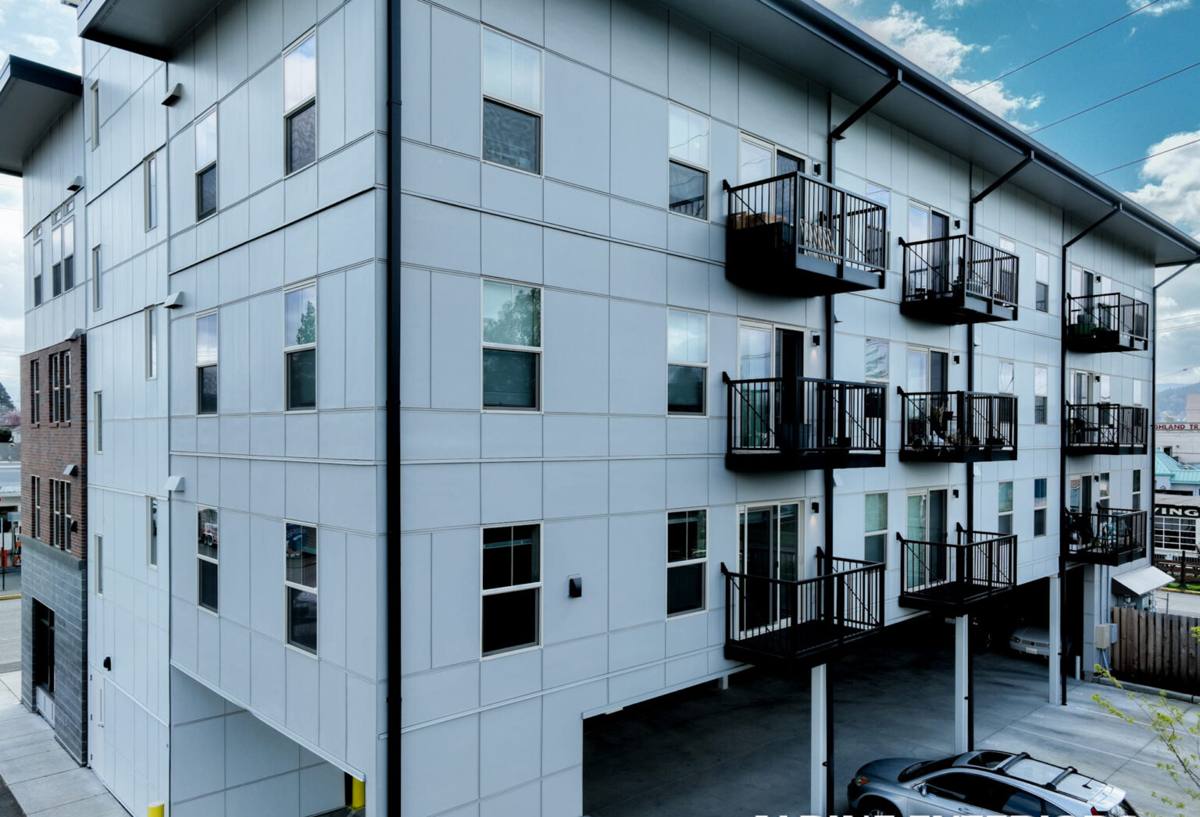
What Bradenton Beach's Climate Does to Siding
Hurricane-Force Wind
Wind load is the single biggest structural factor in how siding should be installed on a barrier island like this one. Panels and boards need to be fastened to a pattern and clearance spec that accounts for sustained high wind and wind-driven debris, not a generic installation guide written for a calmer inland climate. Under-fastened or improperly lapped siding is one of the more common reasons we get called out after a storm to a house that otherwise looked fine going into it.
Intense, Year-Round UV
Florida's UV load is among the highest in the country, and a Gulf-front property like Bradenton Beach gets it with very little natural shade to soften the exposure. Sun breaks down site-applied paint and lower-grade finishes steadily, leading to fading, chalking, and eventually cracking that lets moisture in behind the surface. A finish that isn't engineered for sustained UV exposure will visibly age faster here than the same product would three counties inland.
Wind-Driven Rain
Rain on this island rarely arrives as a simple vertical load. Onshore wind drives it sideways into siding laps, window and door trim, and any seam or joint that wasn't detailed to shed water moving horizontally as well as down. Homes lose far more to slow, chronic water intrusion at these details than they ever do to a single dramatic storm event, because the leak is invisible until the substrate underneath has already been compromised.
Salt Air and Corrosion
Salt in the air off the Gulf settles on every exposed surface continuously, not just during weather events. It accelerates corrosion in fasteners, flashing, and trim hardware, and it can degrade a lower-grade finish faster than the same product would age in a drier, inland climate. Fastener and hardware selection matters as much on a Bradenton Beach install as the siding material itself, because a great product installed with the wrong hardware still fails early.
Why We Install Only James Hardie Fiber Cement Siding
We used to offer a broader range of siding products. We narrowed to one system, and the reason was practical, not promotional — it's what we kept seeing hold up on barrier island homes and what we kept seeing fail on tear-offs and service calls in this exact climate.
- Non-combustible core: Fiber cement doesn't feed a fire the way wood-based siding products can, which matters for household safety and insurance underwriting alike.
- Factory-applied ColorPlus finish: The color is baked on under controlled factory conditions instead of brushed on in the field, so it resists the fading and chalking that Bradenton Beach's UV load causes in site-applied paint far longer.
- Climate-engineered HZ product lines: Hardie's HZ5 formulation is built specifically for high-moisture, high-humidity climates, which describes coastal Manatee County well.
- Dimensional stability: Fiber cement doesn't swell, cup, or warp the way engineered wood siding products can after repeated wet-season moisture cycling.
- Strong transferable warranty: Hardie backs its products with one of the more robust warranty structures in the industry, provided installation follows spec — which is exactly why we treat installation detail as seriously as the material choice.
We won't install LP SmartSide, vinyl siding, Cemplank, Allura, primed spruce, or cedar. Each has a legitimate place in the broader market, and plenty of homeowners elsewhere are satisfied with them. But on a barrier island with this much sustained wind, salt, and UV exposure, we made a professional call that one system we can fully stand behind is worth more than a cheaper option that quietly shifts maintenance risk onto the homeowner a few years down the road.
What a Correct Siding Installation Actually Involves
Material choice is only half the equation. A James Hardie installation that performs the way the product is engineered to requires several details done correctly, in sequence, and none of them are optional shortcuts on a coastal property.
Substrate Prep and Water-Resistive Barrier
Before a single board goes up, the substrate needs to be sound, and the water-resistive barrier underneath needs to be installed and lapped correctly so it drains water down and out rather than trapping it against the sheathing. On a barrier island, skipping or rushing this step is one of the most common causes of hidden rot that doesn't show up until years later.
Flashing at Every Penetration
Windows, doors, hose bibs, vents, and any other wall penetration need flashing detailed to shed wind-driven rain, not just vertical rainfall. This is exactly where Bradenton Beach's sideways-moving rain finds the gaps in a rushed installation, and it's one of the details we spend the most time getting right.
Fastening Pattern and Clearances
Fastener spacing, type, and embedment depth all need to match Hardie's specification for the wind exposure this island sees, using corrosion-resistant fasteners suited to salt air rather than standard-grade hardware that will rust and lose holding strength early. Clearance from grade, roof lines, and decks also needs to be correct so water has somewhere to go instead of wicking up into the bottom edge of the siding.
Lapped and Sealed Joints
Every horizontal and vertical joint needs to be lapped, gapped, and sealed to Hardie's spec so the assembly sheds water as a system rather than relying on caulk alone to do the work. Caulk is a maintenance item, not a substitute for correct lapping — and it's an easy thing to see done wrong once a home is a few years old.
Our Installation Process, Start to Finish
A siding installation on Bradenton Beach generally moves through the same core stages, though the specifics of each step depend on the home's condition and exposure.
- On-site inspection and estimate. We walk the property, assess the existing siding and substrate condition, and discuss what the home actually needs before quoting anything.
- Tear-off and substrate assessment. Removing the old siding is also when we find out what's really going on underneath — moisture damage, soft sheathing, or framing issues that weren't visible from the outside.
- Substrate repair. Any compromised sheathing or framing gets repaired or replaced before new siding goes on. Installing over a damaged substrate just hides the problem for a while.
- Water-resistive barrier and flashing installation. This layer does the real water-management work of the wall assembly, and it goes in before the siding, not as an afterthought.
- Hardie siding installation. Boards or panels go up to Hardie's fastening, clearance, and lapping specification, sized to this island's wind exposure.
- Trim, joints, and final detailing. Corners, joints around openings, and transitions get finished and sealed correctly, since these are the spots most likely to leak if rushed.
- Final walkthrough. We go over the finished work with the homeowner directly rather than just leaving an invoice.
Siding Installation Cost Factors on Bradenton Beach
| Factor | What It Affects | Why It Matters Here |
|---|---|---|
| Home size and wall complexity | Total material and labor | More trim, corners, and joints mean more spots where wind-driven rain can intrude |
| Tear-off vs. installing over existing siding | Labor scope and substrate access | Tear-off reveals hidden moisture or corrosion damage common on older barrier island homes |
| Substrate condition | Repair costs before new siding goes on | Years of salt air and wind-driven rain can quietly damage sheathing behind failing siding |
| Fastener and hardware grade | Material cost and long-term durability | Corrosion-resistant hardware costs more upfront but is essential in continuous salt air exposure |
| Trim and ColorPlus selection | Material cost and finish longevity | Factory-applied finishes hold up against this island's UV load far better than field-applied paint |
| Site access | Labor time and equipment needs | Narrow island lots and elevated homes can add staging and logistics time |
Exact numbers depend on the specific home and what we find once the old siding comes off, which is why we walk the property in person before giving a real number instead of quoting off a generic price sheet.
Signs a Bradenton Beach Home Needs New Siding
- Soft or spongy siding, especially low on the wall or around window and door trim
- Peeling, bubbling, or chalking paint on older painted siding
- Visible cracking, warping, or cupping in the boards themselves
- Gaps or separation at seams, corners, or trim joints where wind-driven rain can track in
- Rust staining around fasteners or visible hardware corrosion
- Missing or damaged sections after a storm or high wind event
- Rising energy bills that may point to a wall assembly that's no longer sealing properly
Roofing, Windows, and Decks Alongside Your Siding
Siding problems on a barrier island home rarely show up in isolation. A roof leak at a valley, a poorly flashed window, or a deck ledger trapping moisture against the house can all surface as siding damage even when the siding itself isn't the actual source. Because we also handle roofing, windows, and decks, we can look at a Bradenton Beach home as one connected exterior system instead of diagnosing a wall on its own and missing where the water is really getting in.
Why a Crew That Already Works Bradenton Beach Matters
A contractor who mostly works inland Manatee County can still do competent work here, but a barrier island installation has variables that come up more often on this kind of property than elsewhere in the county — wind exposure tied to open Gulf frontage, corrosion patterns from salt air on two sides of a narrow island, and elevation or setback considerations that can factor into permitting depending on the property. A crew that installs siding on Bradenton Beach regularly isn't learning those variables on your project. We know what fastener grade actually holds up out here, what flashing detail a wind-driven storm will find if it's wrong, and how to sequence a tear-off so a home isn't left exposed longer than it needs to be during hurricane season.
That familiarity also shows up in the estimate itself — a more accurate first number, because the inspection accounted for how this specific island environment behaves rather than applying a one-size-fits-all checklist built for a calmer climate.
Get a Free, No-Pressure Estimate
If your Bradenton Beach home needs new siding, a full tear-off, or just an honest look at what's going on behind aging walls, we're glad to come take a look. Reach out using the form below to schedule a free estimate — no pressure and no upsell script.