 Bradenton Siding
 Why Windows Take a Beating in Tara
Tara sits inland enough from Tampa Bay to feel a little removed from the coast, but the climate that reaches this part of Bradenton doesn't care about that distance. Manatee County gets hurricane-force wind gusts during tropical systems, sustained wind-driven rain that pushes water sideways into anything with a gap, and roughly ten months a year of intense subtropical sun. Add the salt air that carries well inland from Sarasota Bay and the Gulf on a sea breeze, and you've got a combination that ages windows faster than almost anywhere else in the country.
Most homeowners don't think about their windows until something goes wrong — a foggy pane, a draft near the frame, a spike in the summer electric bill. By the time those symptoms show up, the window has usually been losing efficiency for years. In a golf-course community like Tara, where a lot of homes were built in a similar era and with similar window packages, we tend to see the same failure points repeat house after house.
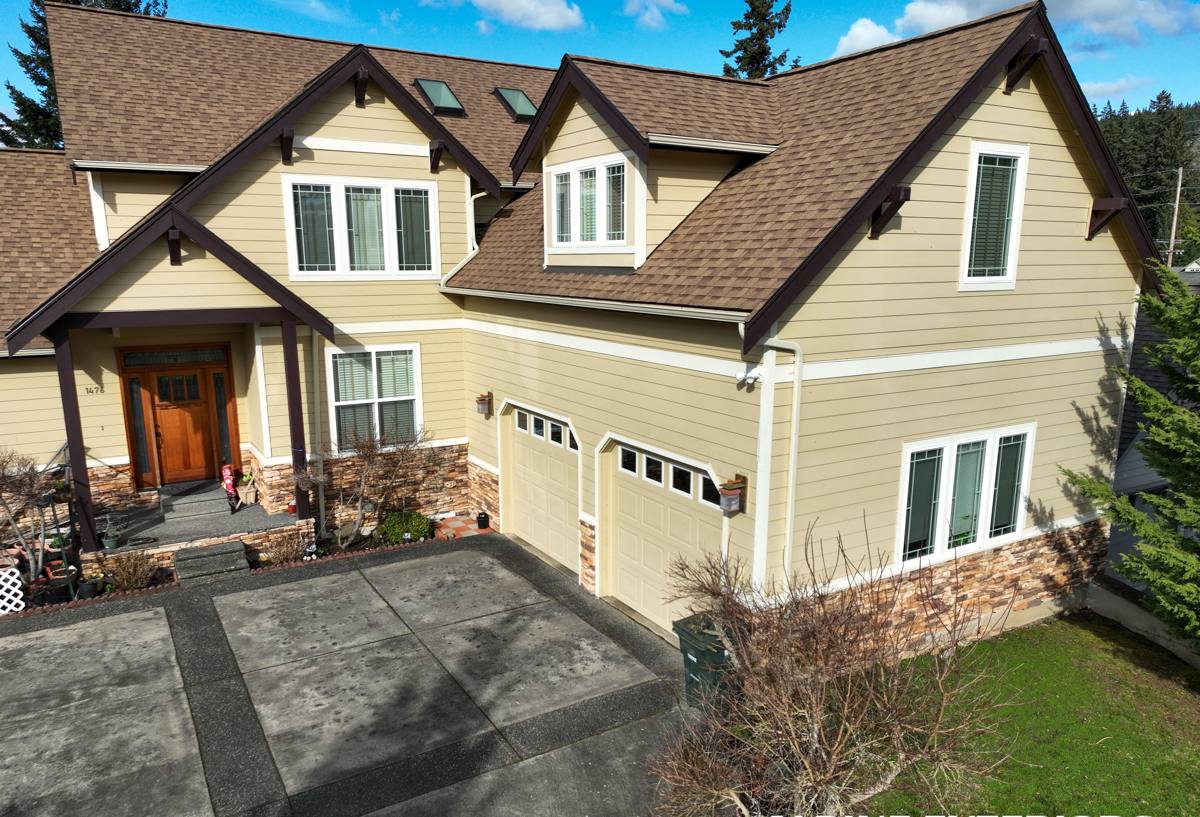
What "Energy-Efficient" Actually Means Here
Energy efficiency for a window isn't one number — it's a combination of ratings that matter differently depending on which direction the window faces and how much direct sun it takes. For Bradenton's climate, three ratings do most of the work:
- U-factor — how well the window resists heat transfer. Lower is better, especially on west- and south-facing walls that take the brunt of afternoon sun.
- SHGC (Solar Heat Gain Coefficient) — how much solar heat passes through the glass into the house. In our climate, this is often the number that matters most, since cooling load — not heating — drives most of a Florida home's energy bill.
- Air infiltration rating — how much air leaks around a closed window. Older aluminum-frame windows, common in homes from the 1990s and early 2000s, tend to leak more here as seals and weatherstripping degrade under UV and heat cycling.
None of these ratings mean much on their own. A window with a great SHGC but poor installation — gaps in the flashing, inconsistent sealant, an out-of-square frame — will still leak air and let moisture in. The rating tells you what the product is capable of; the installation determines whether the house actually gets that performance.
Wind and Impact Considerations
Manatee County falls within Florida's wind-borne debris region under the Florida Building Code, which means replacement windows generally need to meet specific wind load and impact standards, or be paired with approved protection. This isn't optional paperwork — it's the difference between a window that holds up in a named storm and one that becomes the point of failure that lets wind pressure into the house. We pull permits and use products rated for our local wind exposure, not generic stock that happens to fit the rough opening.
Signs a Tara Home's Windows Are Working Against the Homeowner
A few patterns show up often enough in this neighborhood that they're worth checking for directly:
- Condensation or fogging between panes — a sign the seal on a double-pane unit has failed and the insulating gas or air gap is gone.
- Warm-to-the-touch glass or frames in the afternoon, especially on west-facing rooms.
- Visible chalking, pitting, or discoloration on aluminum frames — a common effect of years of UV and salt exposure.
- Noticeable street or lawn-equipment noise that didn't used to come through as clearly.
- Faded flooring, furniture, or window treatments near south- or west-facing windows, a sign UV protection has degraded or was never adequate.
- A cooling bill that's crept up over a few years without a clear cause elsewhere in the home.
Any one of these on its own isn't necessarily urgent. Several together, especially in a home with its original windows, usually means the whole window package is due for a real evaluation rather than a caulk-and-patch fix.
Comparing Window Options for This Climate
There's no single "best" window for every house — it depends on sun exposure, budget, and whether the homeowner wants impact-rated glass in place of separate shutters or panels. Here's how the common options stack up for a Bradenton-area home:
| Option | Wind/Impact Performance | Energy Performance | Maintenance |
|---|---|---|---|
| Impact-rated vinyl, Low-E glass | Meets code without added shutters in most applications | Strong — Low-E coating and insulated frame reduce solar gain | Low — no painting, resists salt corrosion |
| Impact-rated aluminum, Low-E glass | Strong structural rating, thinner sightlines | Good, though aluminum conducts more heat than vinyl unless thermally broken | Moderate — coastal-grade finish needed to resist salt pitting |
| Standard (non-impact) with separate shutters | Depends entirely on shutters being deployed correctly before a storm | Varies by glass package | Higher — shutters are another system to install, store, and maintain |
| Older single-pane or early double-pane (existing) | Often below current code for wind-borne debris zones | Weak — minimal insulating value, frequent seal failure | High — increasing repair frequency as materials age |
For most Tara homeowners we talk to, impact-rated vinyl with a Low-E glass package hits the best balance of energy performance, storm protection, and long-term maintenance — but a home with large expanses of glass or a specific architectural style may do better with a different combination. That's a conversation worth having in person, not a decision to make from a table.
Frame Material Matters More Than It Looks
Vinyl frames don't corrode from salt air the way untreated or lower-grade aluminum can, and they don't need repainting. The tradeoff is that vinyl frames are typically a bit thicker than aluminum for the same structural rating, which changes the sightline slightly. On a home with large picture windows or a specific architectural look, that's worth discussing before ordering — it's a lot cheaper to decide up front than to change course mid-project.
How We Approach a Window Project in Tara
- On-site assessment. We walk the exterior and interior, check each window's condition, note sun exposure by elevation, and look at how the existing openings were flashed and sealed.
- Product selection. We go over frame material, glass package, and impact rating options based on the home's exposure and the homeowner's budget and priorities.
- Permitting. Window replacement in Manatee County requires a permit in most cases. We handle the application and inspection scheduling as part of the job, not as an afterthought.
- Removal and prep. Old windows come out carefully to protect interior finishes and stucco or siding around the opening. Any rot, water damage, or out-of-square framing gets addressed before a new window goes in — installing a good window into a bad opening just relocates the problem.
- Installation. Proper flashing, shimming, and sealant application around the full perimeter — this is where most of the long-term performance and leak resistance actually comes from.
- Final inspection and cleanup. We confirm operation, check seals, and make sure the site is left clean.
Why Local Experience in Tara Specifically Matters
Tara is an established golf-course community, and a lot of the homes here share a similar era of construction, which means a similar set of original window products and similar failure patterns as those products age. A crew that's worked in this neighborhood before already has a sense of what to expect when a window comes out — how the original flashing was likely done, what the stucco condition tends to look like around openings of that age, and what wind exposure looks like on a corner lot versus one tucked behind mature landscaping.
If the property is part of an HOA — as many sections of Tara are — there may be architectural review requirements around window style, frame color, or grid pattern before work can start. We factor that into scheduling so it doesn't become a surprise delay partway through a project.
Cost Factors Worth Understanding
Window project costs vary a lot based on size, quantity, glass package, and impact rating — we're not going to throw out a number that doesn't reflect your actual home. What we can tell you is what tends to move the price:
- Number and size of window openings being replaced
- Impact-rated versus standard glass, and the specific impact rating required for the home's wind exposure
- Frame material (vinyl, aluminum, or other) and finish
- Whether openings need structural repair before new windows go in
- Permit and inspection requirements specific to Manatee County
It's also worth asking your homeowner's insurance carrier whether impact-rated windows qualify for a wind mitigation credit — many Florida policies offer one, and it can offset part of the cost over time. We're not insurance agents, so we'd point you to your carrier for exact numbers, but it's a question worth asking before you finalize a decision.
What to Check Before Hiring Anyone for This Kind of Work
- Florida contractor license and proof of current insurance
- Experience pulling permits for window replacement in Manatee County specifically
- A clear explanation of impact ratings and why a given product meets code for your home's wind exposure
- A written scope of work — not just a product list, but how openings will be prepped, flashed, and sealed
- A real warranty on both materials and labor, explained in plain terms before you sign anything
If your Tara home's windows are original, showing their age, or just costing more to live with than they should, we're happy to take a look and give you a straight, no-pressure assessment. Use the form below to request a free estimate — we'll walk the property, answer your questions, and give you honest options for your home and budget.