 Bradenton Siding
 Roofing a Barrier Island Home Is Not the Same Job as Roofing One Inland
Holmes Beach sits on Anna Maria Island, a barrier island connected to the Bradenton mainland by bridge, and that geography changes what a roof has to survive. A shingle roof three miles inland deals with sun and the occasional storm. A shingle roof on Holmes Beach deals with all of that plus constant salt-laden air, near-daily onshore wind, and direct exposure during tropical systems that lose little strength before they reach the coast. We install and repair asphalt shingle roofs across Manatee County, but our Holmes Beach work is judged by a stricter standard, because the margin for a sloppy detail here is much smaller.
This page covers what asphalt shingle roofing on Holmes Beach actually needs to hold up, what a correct installation looks like, and how our process is built around the realities of working on an island community.
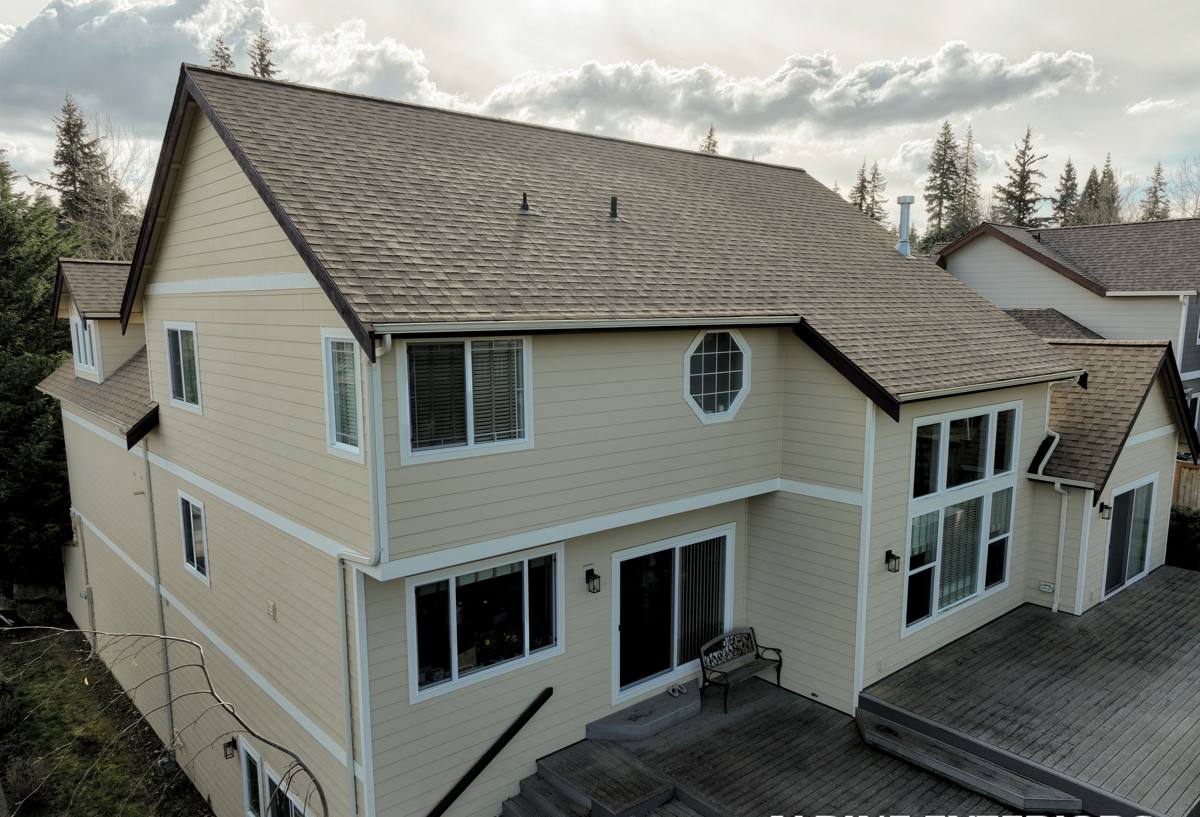
What Salt Air, Sun, and Wind Actually Do to a Shingle Roof Here
UV and Heat
Florida sun is intense everywhere, but a roof with open water reflecting light back up at it takes an even harder hit. Asphalt shingles lose flexibility and granule adhesion faster under sustained UV and surface heat. Over years, that shows up as granule loss, brittle mat edges, and shingles that crack instead of flexing during wind events.
Salt Air and Corrosion
Airborne salt doesn't just affect metal railings and cars near the water — it accelerates corrosion on every exposed metal component of a roof system: nail heads, drip edge, flashing, and pipe boots. A fastener that corrodes and loses holding power is a weak point the rest of the roof has to compensate for, and it usually fails quietly, with no visible sign until a shingle lifts.
Wind-Driven Rain
Straight-down rain and wind-driven rain are different problems. Wind-driven rain gets pushed sideways and even slightly upward under shingle edges, at hips and ridges, and around any roof penetration. A roof can shed normal rainfall fine and still leak during a tropical storm if the underlayment, flashing laps, and penetration seals weren't detailed for wind-driven moisture specifically.
Hurricane and Tropical Storm Wind Loads
Coastal Manatee County, including Anna Maria Island, typically falls within Florida's wind-borne debris region, which means code requirements here are more demanding than a few miles inland — higher wind-uplift performance, closer attention to fastening schedules, and stricter treatment of any roof penetration or edge detail. A shingle roof that meets minimum code inland can fall short of what a coastal wind zone actually requires if it isn't built to the higher standard on purpose.
What a Correctly Installed Asphalt Shingle Roof Includes
None of this is exotic. It's standard best practice applied without shortcuts — which is exactly where roofs on the coast tend to fail, because inland habits get carried over to a job that doesn't tolerate them.
Underlayment
Synthetic or self-adhering underlayment rated for the exposure, lapped and fastened correctly, is the roof's actual waterproofing layer. Shingles shed most water; the underlayment is what protects the deck when wind pushes water somewhere the shingles weren't designed to stop it.
Flashing
Step flashing at walls, counter-flashing where needed, and properly sealed pipe boots and vent flashing are where most roof leaks actually originate — not in the open field of shingles. On a salt-air coast, flashing material and fastener choice matter more, because corrosion-prone components fail years before they would inland.
Fastening and Nailing Pattern
The number of nails per shingle, their placement, and whether they're driven flush (not overdriven or underdriven) directly determines wind-uplift resistance. This is the detail most likely to get rushed on a fast job, and it's the detail that decides whether shingles stay put in a wind event or peel off in sheets.
Ventilation
Balanced intake and exhaust ventilation keeps attic heat and moisture from cooking the roof deck and the underside of the shingles from the inside. On a hot, humid barrier island, poor ventilation shortens shingle life even when the installation itself was done correctly.
Choosing a Shingle for Holmes Beach's Coastal Exposure
Not every asphalt shingle product is a good match for this environment. We steer homeowners toward products with wind-rating and algae-resistance performance suited to the coast, and we're upfront about the trade-offs between tiers.
| Shingle Type | Typical Wind Rating | Algae Resistance | Best Fit |
|---|---|---|---|
| Standard 3-tab | Lower end of the range | Varies by product | Budget-driven projects set back from direct exposure |
| Architectural (dimensional) | Mid-to-high, product dependent | Commonly available with algae-resistant granules | Most Holmes Beach homes — balance of durability and cost |
| Impact-rated (Class 4) | High, engineered for wind and impact | Commonly available with algae-resistant granules | Homeowners prioritizing storm resilience and possible insurance credits |
We don't push the top tier on every job — a well-installed architectural shingle rated for the local wind zone is a legitimate, durable choice for most Holmes Beach homes. Where impact-rated shingles earn their keep is on exposed elevations, roofs with a long remaining service life expectation, or homes where the owner wants the added debris resistance and is willing to pay the material premium for it. We'll walk through the honest cost-versus-benefit for your specific roof rather than defaulting to whatever carries the highest markup.
A Note on Algae Streaking
The dark streaking many Florida roofs develop is caused by algae, not dirt, and it thrives in warm, humid coastal air. Algae-resistant shingles use granules designed to resist this over time. It's a cosmetic issue rather than a structural one, but it's worth choosing the resistant product up front rather than dealing with streaking a few years in.
Our Process for a Holmes Beach Roofing Project
- On-site inspection. We assess the existing roof, deck condition, ventilation, and any signs of prior leak damage before quoting anything.
- Straight explanation of findings and options. You get a clear picture of what's actually needed — repair versus replacement, shingle tier options, and why — before any decision is made.
- Permitting. Roofing work in Holmes Beach requires a permit through the appropriate local building authority. We handle that process as part of the job.
- Material staging and scheduling. Island access means coordinating delivery and dumpster or debris staging around narrower streets and limited space compared to a mainland job — we plan for that rather than improvising on the day.
- Tear-off and deck inspection. We remove existing roofing down to the deck and inspect for soft spots, rot, or prior water damage before anything new goes down. Deck issues get addressed, not covered up.
- Underlayment, flashing, and shingle installation. Installed to the fastening schedule and detailing appropriate for a coastal wind zone, not the minimum that would pass inland.
- Ventilation check. We confirm intake and exhaust venting are balanced for the attic space.
- Cleanup and magnetic sweep for nails. Full site cleanup, including the driveway and yard, before we consider the job finished.
- Final walkthrough. We review the completed work with you and answer any questions on the spot.
Repair or Replace? What Actually Drives That Decision
Homeowners often ask this before we've even inspected the roof, and the honest answer depends on a handful of factors rather than a single rule of thumb.
| Factor | Leans Toward Repair | Leans Toward Replacement |
|---|---|---|
| Roof age | Early-to-mid service life | At or past expected lifespan for the material |
| Extent of damage | Isolated area (single leak, storm-damaged section) | Widespread granule loss, multiple leak points, or deck damage |
| Storm/wind history | No prior uplift or blown-off shingles | Repeated wind damage suggesting a systemic fastening or material issue |
| Insurance involvement | Minor claim covering a defined repair | Claim scope already points to full replacement |
| Planned ownership horizon | Short-term hold, deferring larger investment | Long-term hold where a new roof pays for itself in fewer service calls |
We'll tell you honestly when a repair is the right call rather than upselling a full replacement — and we'll tell you honestly when a repair is just delaying an inevitable and more expensive failure.
Maintaining an Asphalt Shingle Roof in a Coastal Environment
Good maintenance habits matter more here than they do inland, simply because the environment is harder on every component of the roof.
- Rinse accumulated salt residue and debris off the roof surface periodically rather than letting it sit
- Keep gutters and downspouts clear so wind-driven rain has somewhere to go instead of backing up under shingle edges
- Trim back overhanging branches that trap moisture and drop debris onto the roof surface
- Schedule a visual inspection after any named storm that brought sustained high wind, even if you don't see obvious damage from the ground
- Watch for granule buildup in gutters, which signals accelerated shingle wear
- Check attic ventilation isn't blocked by insulation or debris, especially after any attic work
- Have a professional inspection every couple of years rather than waiting for a visible leak
Why Local Experience on Holmes Beach Actually Matters
A crew that mainly works mainland Bradenton and only occasionally crosses onto the island will treat a Holmes Beach roof like any other job. That's how coastal-specific details get missed — not from lack of skill, but from lack of habit. Working this island regularly means we already understand the permitting process through the local building authority, we plan around the realities of island access and staging instead of discovering them mid-project, and we default to coastal-grade fastening and flashing details as standard practice rather than an upsell.
It also means we've seen how roofs in this specific environment actually age and fail over time, which shapes what we recommend and what we flag as a problem worth addressing now versus later.
Signs Your Holmes Beach Roof Needs Attention
- Shingles that appear cupped, curled, or cracked, especially on sun-exposed slopes
- Missing shingles or exposed nail heads after any wind event
- Dark streaking across the roof surface
- Granules collecting in gutters or at downspout outlets
- Soft spots or sagging visible from the ground
- Water stains on interior ceilings, especially near chimneys, skylights, or vent penetrations
- Visible daylight through the roof deck from inside the attic
- A roof approaching or past its expected service life with no recent full inspection
If you're seeing any of this, or simply want an honest read on where your roof stands, we'll come take a look. Fill out the form below for a free, no-pressure estimate on asphalt shingle roofing for your Holmes Beach home.