 Bradenton Siding
 Why Holmes Beach Windows Take More Punishment Than Most
Holmes Beach sits out on the barrier island, which means every window in every home there is doing a harder job than a window fifteen miles inland in Bradenton proper. You've got salt-laden air moving off the Gulf almost constantly, intense UV exposure nearly year-round, wind-driven rain that finds its way into any gap that isn't sealed correctly, and the real possibility of hurricane-force wind loads during storm season. None of that is unique to any one house on the island — it's just the baseline condition every window has to survive, season after season, for decades.
When we talk about "custom windows" for a Holmes Beach home, we don't just mean windows cut to fit an odd-sized opening. We mean windows and installation details matched to that specific exposure: the right glass package, the right frame material, the right anchoring, and flashing detailed the way coastal construction actually requires — not the way it might get done twenty miles inland where salt air and storm surge aren't part of daily life.
What "Custom" Actually Covers
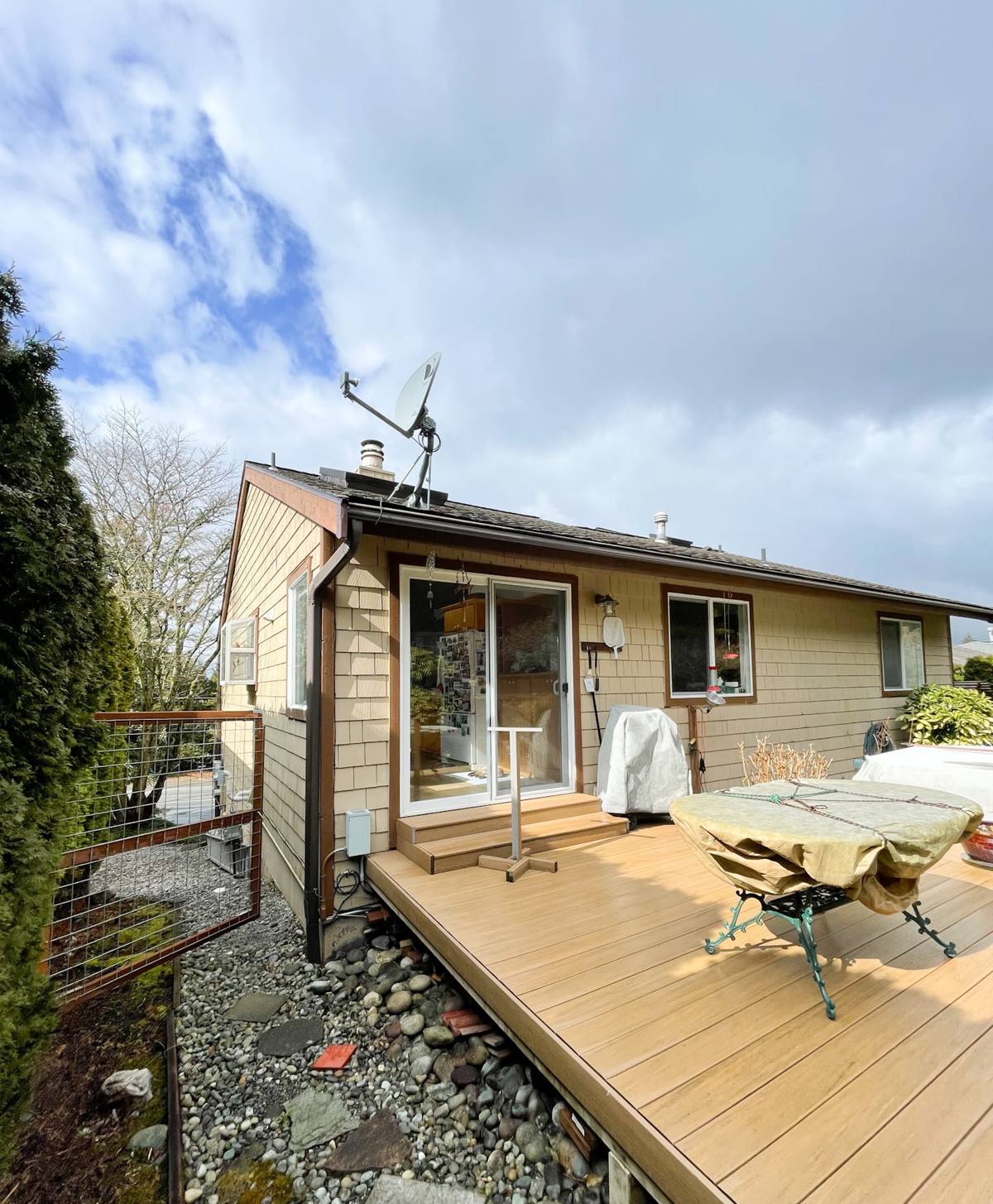
Custom work starts with measurement and design, but it doesn't end there. On the island, custom means accounting for wall thickness, existing rough openings that are rarely perfectly square after years of settling and moisture cycling, stucco or siding reveals that have to be matched, and — critically — a glass and frame spec that's actually rated for the wind zone the home sits in.
Impact-Rated Glass in a Coastal Wind Zone
Manatee County's coastal areas, Holmes Beach included, fall under wind-borne debris requirements that mean new and replacement windows generally need to be either impact-rated or paired with approved shutters. Impact windows use laminated glass with an interlayer that holds the pane together under wind-borne debris impact, rather than shattering outward or inward. For a barrier island home, we treat impact-rated glass as the standard starting point, not an upgrade — it protects the opening during a storm and cuts down on the daily wear that comes from wind-driven rain and pressure cycling even outside of hurricane season.
Frame Material Matters More Near Salt Water
Frame choice affects how the window ages in salt air. The table below covers the trade-offs we walk homeowners through on the island.
| Frame Material | Coastal Performance | Maintenance |
|---|---|---|
| Vinyl | Doesn't corrode; performs well against salt air; can soften slightly under heavy, direct UV over many years | Low — occasional cleaning |
| Aluminum | Strong and slim sightlines, but standard aluminum can corrode near the coast unless properly coated and detailed | Moderate — coating needs monitoring |
| Fiberglass | Very stable in heat and salt exposure, minimal expansion/contraction | Low |
| Wood/Wood-Clad | Attractive but vulnerable to moisture intrusion and rot in a wind-driven-rain environment unless meticulously maintained | High |
We don't push one material as universally "best." We size the recommendation to the specific elevation of the home, how exposed it is to direct Gulf-facing wind, and what the homeowner wants to maintain long-term. That's a judgment call that's easier to make correctly when you've installed windows all over the island and seen how each material actually holds up a few years in — not just on a spec sheet.
Permitting and Code on the Island
Window replacement on Holmes Beach isn't a swap-and-go job. It requires a permit, and the installed product has to meet the wind load and impact requirements that apply to that specific address, which can vary depending on the home's location relative to the coastline and its flood zone designation. We pull the permit, coordinate the inspection, and make sure the documentation on file matches what's actually installed — which matters both for code compliance and for your homeowner's insurance, since insurers frequently ask for proof of impact-rated openings when underwriting or renewing coastal policies.
What We Commonly Find in Older Island Windows
A lot of the repair and replacement calls we get on Holmes Beach share the same handful of root causes:
- Aluminum frames with visible pitting or white corrosion buildup from years of salt exposure
- Failed insulated glass seals, showing up as fogging or moisture trapped between panes
- Caulking and sealant that's dried out and cracked, letting wind-driven rain track behind the frame
- Wood sills and trim softened or rotted from repeated moisture intrusion around an under-sealed opening
- Single-pane or older non-impact glass that no longer meets current wind-borne debris requirements
- Fasteners or anchoring that wasn't rated for the home's actual wind zone when it was installed
Most of these aren't cosmetic issues — they're the early signs of water intrusion that, left alone, ends up damaging framing, insulation, and interior finishes well beyond the window opening itself.
Our Process, Start to Finish
- On-site assessment — we measure every opening individually, check for square, and inspect the surrounding wall assembly for existing moisture damage before we ever spec a window.
- Product selection — we walk you through glass, frame, and hardware options rated for your home's actual exposure and wind zone, not a generic package.
- Written estimate — clear scope, product specs, and price before anything is ordered.
- Permitting — we handle the Manatee County/local permit application and schedule required inspections.
- Removal and prep — old units come out carefully, and we inspect the opening for rot, corrosion, or prior water damage before setting anything new.
- Installation — correct shimming, fastening to structure (not just to existing trim), and manufacturer-specified anchoring for the wind load rating.
- Flashing and sealing — integrated flashing and sealant details that shed wind-driven rain rather than relying on caulk alone to do the whole job.
- Final inspection and walkthrough — we confirm smooth operation, proper seal, and clean finish work, and we make sure the permit closes out correctly.
What Separates a Correct Installation From a Fast One
The window unit itself is only part of the performance equation. A top-rated impact window installed with the wrong flashing sequence, insufficient fastener embedment, or gaps left in the sealant will still leak and still underperform in wind — sometimes catastrophically so during a real storm event. Correct installation on a coastal home means:
- Flashing integrated with the building's water-resistive barrier, not just caulked over the surface
- Fasteners sized, spaced, and embedded per the manufacturer's tested and approved installation instructions for the specific wind zone
- Sealant applied at every joint the manufacturer specifies, not just where it's visible
- Shimming that keeps the frame square and prevents racking, which can compromise the seal over time
- A final check that the unit operates smoothly and locks fully — a window that doesn't lock tight isn't performing to its rating regardless of the glass
This is the level of detail that separates a window that performs for twenty-plus years from one that starts leaking or failing within a few storm seasons.
What Drives the Cost
Custom window pricing on the island depends on more than the number of openings. The factors below are the ones that actually move the estimate.
| Cost Factor | Why It Matters |
|---|---|
| Glass package | Impact-rated laminated glass costs more upfront than standard glass but reduces or eliminates the need for separate shutters |
| Frame material | Vinyl and aluminum typically price lower than fiberglass or wood-clad options |
| Opening condition | Rot, corrosion, or out-of-square openings add labor for repair before a new unit can be set correctly |
| Size and configuration | Larger units, picture windows, and multi-panel configurations require more structural consideration and cost more than standard operable windows |
| Permitting complexity | Homes closer to the water or in stricter flood/wind zones may require additional engineering documentation |
Broadly, homeowners on the island should expect custom, impact-rated window replacement to run higher per opening than comparable non-coastal, non-impact products inland — the glass and hardware alone cost more, and that's before accounting for correct coastal-grade installation. We give a firm number in writing before any work starts, once we've actually seen the openings.
Why It Matters That We Already Work on Holmes Beach
Working on a barrier island community like Holmes Beach comes with logistics that don't exist on a mainland Bradenton job — limited staging space on many lots, bridge and traffic timing, and a building department that reviews coastal construction differently than inland Manatee County jobs. A crew that's already done this work on the island knows the permitting expectations, knows how homes here actually age in salt air versus how a spec sheet says they should, and doesn't have to relearn those lessons on your project. That familiarity shows up in fewer surprises during the permit process and installation details that are already dialed in for this specific environment, rather than adapted after the fact.
If you're weighing a window replacement or a full custom order for a Holmes Beach home, we're glad to come take a look, measure the actual openings, and walk you through honest options for your home's exposure and budget. There's no pressure and no obligation — just a straight assessment and a written estimate you can think over. Fill out the form below to get a free estimate started.