 Bradenton Siding
 Southgate Homes Need Siding That Can Actually Handle Bradenton
Southgate is one of the established residential neighborhoods that make up the fabric of Bradenton, and like every home in Manatee County, the houses here are under constant pressure from a climate that doesn't let up. Hurricane-force winds during storm season, wind-driven rain that finds every gap in a wall assembly, intense year-round UV, and salt-laden air moving in off the Gulf all work against ordinary siding, year after year. A siding product that performs fine in a mild inland climate can fail early here, and a siding job that's installed "close enough" instead of to spec often looks fine for a year or two before the real damage shows up.
We install James Hardie fiber cement exclusively, and we've built our process around what actually holds up in Southgate specifically — not a generic install used everywhere in the country. This page walks through what your siding needs to survive here, what a correct Hardie installation involves, and why local experience matters as much as the product itself.
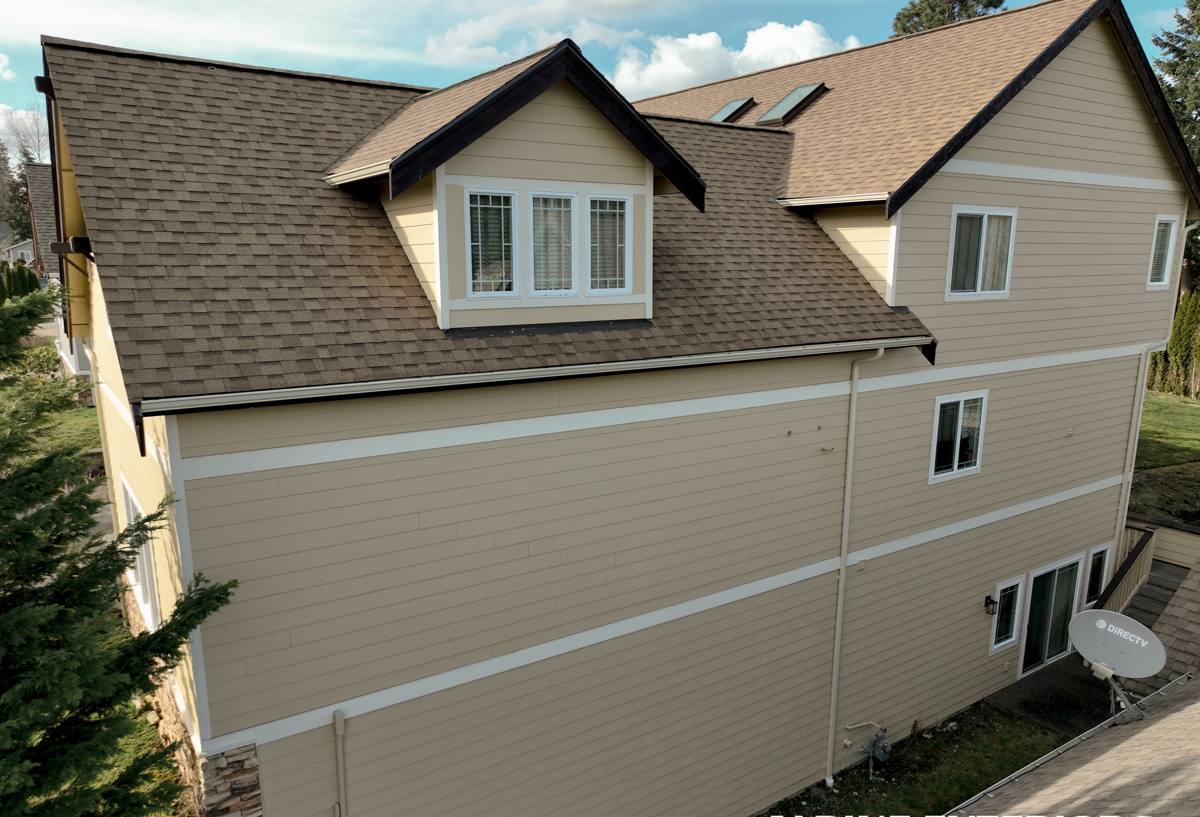
What Bradenton's Climate Does to Siding Over Time
Hurricane-Force Wind and Wind-Driven Rain
Wind is the number one structural threat to siding in this part of Florida. It's not just the peak gusts during a named storm — it's the repeated flexing and fastener stress that ordinary wind events put on a wall over years. Wind-driven rain compounds the problem because it doesn't fall straight down; it gets forced sideways and upward, behind poorly lapped panels and under undersized flashing. Once water gets behind the siding, the sheathing and framing underneath start to suffer even if the siding itself looks untouched from the street.
Relentless UV Exposure
Florida sun is intense and constant, not seasonal. Siding finishes that aren't formulated for this level of UV exposure chalk, fade unevenly, and become brittle faster than they would in a northern climate. On a home in Southgate, south- and west-facing walls take the worst of it, and mismatched fading between elevations is one of the most common complaints we hear about older or lower-grade siding jobs.
Salt Air and Humidity
Even away from the immediate waterfront, salt-laden air moves inland across Manatee County and accelerates corrosion of fasteners, trim, and any metal components in a wall assembly. Combine that with Florida's humidity, and you get a climate that's hard on both the siding material and everything holding it in place. Products or installation details that ignore this reality tend to show corrosion staining, fastener pop, or trim failure well before a homeowner expects it.
Why We Standardized on James Hardie Fiber Cement
We made a deliberate decision to install only James Hardie products — not LP SmartSide, not vinyl, not Cemplank or Allura, not primed spruce or cedar. That's not a marketing position; it's a professional judgment based on what actually holds up against the conditions described above.
Non-Combustible Core
James Hardie siding is fiber cement — primarily sand, cement, and cellulose fiber — which means it doesn't burn, feed a fire, or contribute fuel the way wood-based or wood-derived siding products can. For homeowners thinking about long-term risk, that's a meaningful difference that has nothing to do with brand preference.
ColorPlus Technology
Hardie's ColorPlus finish is baked on at the factory in a controlled environment, which produces a more consistent, UV-resistant finish than field-applied paint can typically achieve. In a climate where sun exposure is constant, factory-cured finish quality matters more than it would somewhere with milder weather.
HZ5 Climate-Engineered Formulation
James Hardie engineers its products differently depending on regional climate zone. The HZ5 line is formulated for the moisture and humidity exposure common to Florida and the Gulf Coast, which is the version we install on homes in this area. Using a product actually engineered for our climate zone, rather than a generic national product, is part of why we don't deviate from Hardie for local installs.
What a Correct James Hardie Installation Actually Involves
Fiber cement siding is only as good as the installation behind it. A rushed or corner-cut install can undermine even the best product on the market, and it's one of the biggest reasons siding jobs fail early in coastal Florida.
Fastening and Clearances
James Hardie specifies fastener type, spacing, and placement, and those specs exist for a reason in a high-wind area — improper fastening is one of the most common causes of panel movement, cracking, and blow-off in storm-force wind. Manufacturer-specified clearances above rooflines, decks, and grade also need to be respected to keep water from wicking into the bottom edge of the siding.
Flashing and Moisture Management
Around every window, door, and roofline penetration, flashing has to be installed to shed water outward, not trap it behind the siding. Given how much wind-driven rain this area sees, flashing details are not a place to cut corners — they're often the difference between a wall assembly that stays dry for decades and one that develops hidden rot within a few years.
Joint Treatment and Caulking
Butt joints, corners, and trim intersections need to be treated according to manufacturer specification, using compatible sealants rated for exterior exposure. Done wrong, these are the first places moisture intrusion shows up, usually as staining or soft trim long before the siding field itself shows any problem.
James Hardie vs. Other Siding Options in Bradenton's Climate
| Factor | James Hardie Fiber Cement | Vinyl | Engineered Wood (LP SmartSide) | Untreated Wood/Cedar |
|---|---|---|---|---|
| Hurricane wind performance | Strong when installed to spec and rated for wind zone | Prone to cracking and blow-off in sustained high wind | Moderate; dependent on fastening and moisture history | Weakens over time as moisture compromises the wood |
| Moisture/humidity resistance | Engineered HZ5 formulation for humid climates | Doesn't absorb water but traps moisture behind panels | Vulnerable to swelling and rot if moisture gets in | High risk of rot, warping, and insect damage |
| Salt air/corrosion exposure | Fiber cement core unaffected; fasteners still need care | Panels hold up; fasteners and trim still at risk | Wood substrate vulnerable once coating is compromised | Wood substrate vulnerable, requires frequent refinishing |
| UV/color retention | ColorPlus factory finish resists fading and chalking | Can fade and become brittle with prolonged sun exposure | Field-applied paint fades faster than factory finish | Requires regular repainting or staining to maintain color |
| Fire performance | Non-combustible | Combustible, can melt or deform near heat | Combustible | Combustible |
Our Process for Southgate Homeowners
- On-site assessment: We walk the exterior, check current siding and sheathing condition, note trouble spots like poor flashing or water staining, and measure for material.
- Product and color selection: We help you choose the right James Hardie plank profile and ColorPlus finish for your home's style and Southgate's typical HOA and neighborhood aesthetic.
- Removal and substrate check: Old siding comes off and we inspect the sheathing underneath for hidden moisture damage before anything new goes up — this step gets skipped by corner-cutting crews and it's where expensive surprises hide.
- Weather barrier and flashing installation: A proper moisture barrier and manufacturer-spec flashing go in around every penetration before the first plank is hung.
- Hardie installation to manufacturer spec: Fastening, clearances, joint treatment, and caulking are all done per James Hardie's published requirements for our climate zone.
- Final inspection and cleanup: We walk the finished job with you, check every elevation, and leave the property clean.
Why Hiring a Crew That Already Works Southgate Matters
Siding work in Manatee County isn't just a construction question, it's a permitting and code question. A crew that regularly works in and around Bradenton already understands the local permitting process, current wind-load requirements for exterior cladding, and what inspectors here are actually looking for during a siding job. That familiarity translates directly into fewer delays and fewer surprises for you.
It also matters for fit and finish. A crew that has worked on homes throughout this area has a feel for the mix of home styles and lot layouts you find in an established neighborhood like Southgate, and can advise on trim, color, and profile choices that make sense for the area rather than defaulting to whatever's easiest.
What Affects Your Siding Estimate
| Cost Factor | Why It Matters |
|---|---|
| Home size and wall area | More square footage means more material and labor hours |
| Tear-off vs. overlay | Full removal costs more upfront but lets us inspect and repair sheathing — the right call after storm exposure or visible moisture damage |
| Trim and architectural detail | Homes with more corners, gables, and window/door trim require more precise cutting and joint work |
| Plank profile and finish | Different James Hardie profiles and ColorPlus color options carry different material costs |
| Substrate condition | Rotted or water-damaged sheathing found during tear-off needs repair before new siding goes on |
Maintenance Checklist for James Hardie Siding in Bradenton's Climate
- Rinse siding periodically to remove salt residue and airborne grime, especially after dry spells
- Inspect caulking at joints, trim, and penetrations annually and reseal if it's cracking or pulling away
- After any major wind event, walk the exterior and look for loose panels, popped fasteners, or fresh gaps at trim lines
- Check for water staining or soft spots near the bottom edge of siding close to grade or decks
- Keep gutters clean and downspouts directed away from the foundation to reduce splash-back onto lower siding courses
- Repaint or touch up only with products compatible with ColorPlus finishes, and only when genuinely needed
Let's Talk About Your Southgate Home
If your siding is showing its age, or you just want an honest read on whether it's holding up the way it should against Bradenton's wind, sun, and salt air, we're glad to take a look. Use the form below to request a free, no-pressure estimate and we'll walk you through exactly what we see and what your options are.