 Bradenton Siding
 Why Siding in Tara Has to Work Harder Than It Looks
Tara is one of the more established residential communities on the east side of Bradenton, with the kind of mature tree canopy and well-kept lots that make a home look like it's aging gracefully. That appearance can be deceiving. Underneath the landscaping, the siding on a Tara home is absorbing the same punishment as siding anywhere else in Manatee County: hurricane-force wind loads during storm season, some of the most intense year-round UV exposure in the continental United States, wind-driven rain that gets pushed sideways into joints and trim, and salt-laden air that travels well inland off the Gulf. A well-maintained yard doesn't change what the exterior walls are up against.
This page is specifically about James Hardie fiber cement siding for homes in Tara — what the climate here actually demands from an exterior product, what a correct installation looks like, how our process runs from first visit to final walkthrough, and why it matters that we already do this work in this community rather than learning it on your project.
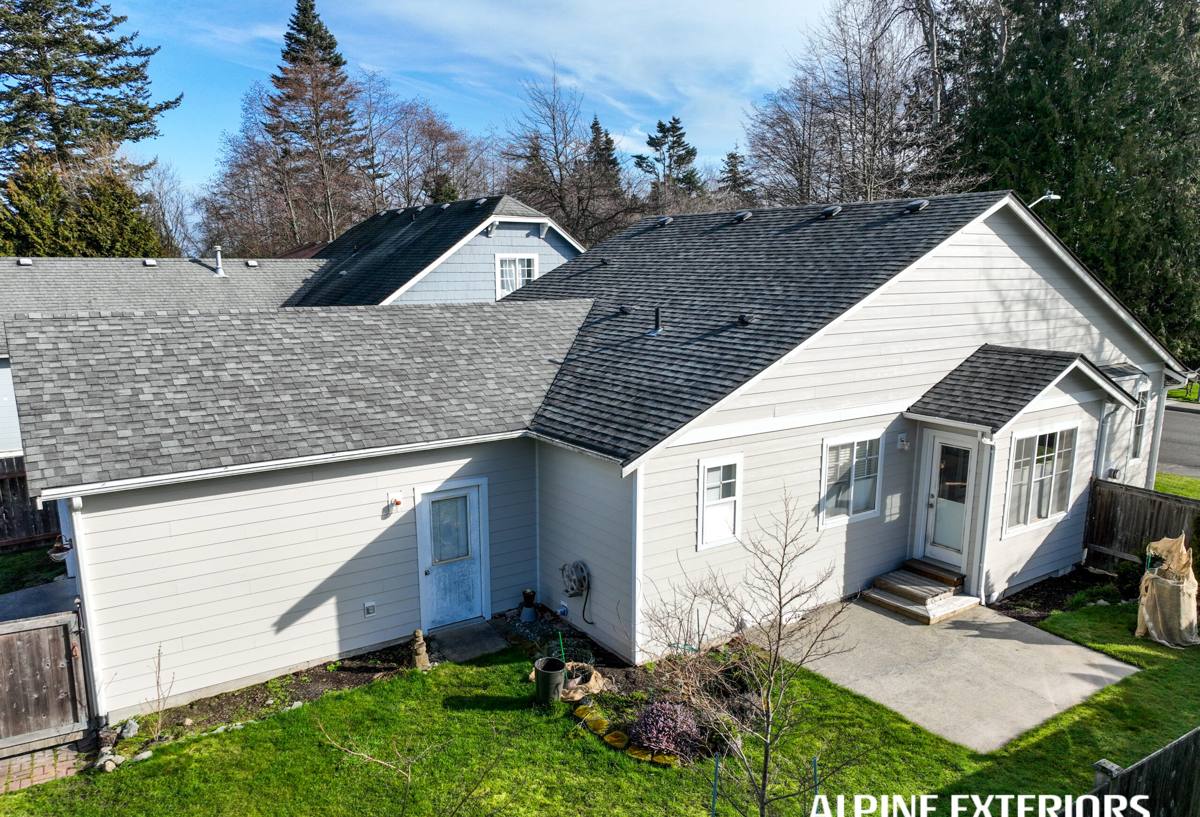
What Tara's Climate Actually Does to a Home's Exterior
Hurricane-Force Wind
Manatee County sits squarely in a hurricane-prone wind zone, and Florida Building Code reflects that with wind-load and impact requirements that are stricter than most of the country. Siding isn't just a cosmetic layer here — it's part of the building envelope that has to stay attached and intact under sustained high wind and wind-borne debris. A product and installation that aren't rated and fastened for that load are a real liability, not a hypothetical one, given how often this region sees tropical systems.
Year-Round UV
Florida gets more direct sun exposure across more months of the year than almost anywhere else in the country. That UV load breaks down unstabilized paints and finishes steadily, causing fading, chalking, and eventual cracking on siding that isn't engineered to hold color and integrity under constant sun. A south- or west-facing wall on a Tara home can take a visibly harder beating than a shaded, north-facing wall on the same house, which is worth thinking about when you're picking colors and finish quality.
Wind-Driven Rain
Florida thunderstorms and tropical systems rarely deliver rain straight down. Wind pushes it sideways into lap joints, under trim, and into any seam where flashing or caulking isn't done right. That's a tougher, more constant test of water management detailing than a simple annual rainfall number suggests, and it's where a lot of long-term siding failures actually start — not from the material itself, but from water getting behind it.
Salt Air, Even This Far Inland
Tara isn't a waterfront community, but Bradenton's position on the Gulf Coast means salt-laden air still reaches inland neighborhoods on a regular basis, especially with onshore wind patterns common through much of the year. Salt exposure accelerates corrosion in fasteners and trim hardware and speeds up the breakdown of factory finishes over time. It's a slower, less obvious factor than wind or rain, but it adds up over the life of a siding system.
Why James Hardie Fiber Cement Is What We Put on Tara Homes
We install James Hardie fiber cement siding exclusively — not vinyl, not engineered wood, not primed spruce or cedar. That's a deliberate standard, not a lack of options. Fiber cement as a category holds up to heat, humidity, and storm exposure in ways organic and petroleum-based sidings generally don't, and within that category, James Hardie's climate-specific engineering, factory finish, and warranty structure are why we standardized on this manufacturer specifically rather than fiber cement in general.
Built for This Zone
James Hardie engineers its siding products for different climate zones, and the HZ10 line is built specifically for hot, humid, high-UV regions like Florida's Gulf Coast — as distinct from the HZ5 line engineered for colder, freeze-thaw climates further north. That distinction matters. A siding product engineered primarily for a dry or cold climate doesn't necessarily perform the same way under Manatee County's heat and humidity, and using the correct HZ line for this region isn't a minor spec detail — it's core to how the product is formulated to resist moisture and hold up under sustained sun.
ColorPlus Factory Finish
Instead of relying on paint applied on-site, James Hardie's ColorPlus finish is baked on in multiple coats under controlled factory conditions before the boards ever arrive at a Tara property. That finish is engineered specifically to resist UV fading and hold color consistency better than field-applied paint exposed to Florida sun, and it carries its own warranty coverage separate from the substrate warranty underneath it.
The Product Lines Available for a Tara Home
Tara includes a mix of home styles, from more traditional single-family designs to homes with more custom architectural detailing, and James Hardie's product lines cover that range without forcing a one-size-fits-all look.
| Product Line | What It's For | Typical Use |
|---|---|---|
| HardiePlank lap siding | The traditional horizontal lap look, available in multiple exposure widths and textures | Full re-sides and the most common choice on single-family homes |
| HardiePanel vertical siding | A clean vertical panel look, often combined with trim battens | Accent walls, gables, or full board-and-batten style exteriors |
| HardieShingle siding | A shaped, shingle-style profile that mimics traditional cedar shake | Accent areas, gables, or homes going for a more custom look |
| HardieTrim boards | Fiber cement trim to match the siding system at corners, windows, and fascia | Used alongside any of the above for a consistent, matched exterior |
Most full re-sides on Tara homes use HardiePlank as the primary field material, sometimes paired with a panel or shingle accent on a gable or feature wall. We'll walk through which combination fits the specific home during the estimate rather than defaulting to one look for every property.
What a Correct Installation Involves Here
Fiber cement's real-world performance depends heavily on installation quality, and that's especially true in a wind- and rain-exposed climate like this one. A rushed or out-of-spec install can undercut even the right product.
| Installation Detail | Why It Matters in Tara |
|---|---|
| Fastening schedule matched to Florida Building Code wind zone requirements | Keeps the siding attached and intact under hurricane-force wind loads |
| Correct flashing at windows, doors, and all penetrations | Directs wind-driven rain away from seams instead of letting it collect there |
| Manufacturer-specified clearances from grade, roofline, and decking | Keeps splash-back and standing moisture away from board edges in a high-rainfall climate |
| Factory-cut edges used wherever possible; field cuts sealed per spec | Preserves the ColorPlus finish's protection at every cut edge |
| Corrosion-resistant fasteners throughout | Reduces long-term failure from salt-air exposure moving inland off the Gulf |
| Rain screen or drainage plane behind the siding | Lets any moisture that gets past the surface drain and dry instead of sitting against the wall |
This is why we send manufacturer-trained crews to every job instead of treating fiber cement as an interchangeable swap for whatever a crew is used to hanging. The material resists moisture and wind better than most alternatives on its own, but it still depends on the details around it being done right.
Choosing Colors and Style for a Tara Property
James Hardie's ColorPlus line offers a range of factory-finished colors, and board profile and exposure width both affect the finished look as much as color does. Some planned communities, including parts of Tara, have architectural or HOA guidelines that touch on exterior color and material choices — if that applies to your property, it's worth checking your community's requirements before finalizing a color, and we're happy to help gather what's needed for an approval submission if that process comes up. Beyond community guidelines, the practical consideration is UV exposure: darker ColorPlus finishes are engineered to resist fading the same way lighter ones are, but the exposure a specific wall gets through the day is worth factoring into the decision, especially on west-facing elevations that take the harshest afternoon sun.
How Our Process Works
We start with a site visit to look at the home as it actually is — current siding condition, any signs of water intrusion or rot at trim and penetrations, sun exposure across each elevation, and how close the property sits to mature trees or landscaping that affects drying time after rain. From there we go through product and color options together, factoring in any HOA or architectural guidelines that apply to the property.
Permitting in Manatee County follows Florida Building Code's wind-load and product-approval requirements, and we handle that permitting process as part of the job rather than leaving it for the homeowner to sort out. Once permitted, installation follows the sequence above: any needed sheathing repair first, then correct flashing and drainage detailing, then the siding itself installed to the fastening schedule the wind zone requires. We finish with a walkthrough covering what the finished product actually needs from you going forward, which is minimal, but not nothing.
Cost Factors for a Tara Siding Project
Every home is different, but these are the main variables that move the cost of a James Hardie project on a Tara property:
- Total square footage and the home's elevation complexity — more corners, gables, and trim detail mean more labor
- Condition of the existing sheathing once the old siding comes off, since rot or water damage found mid-project needs to be addressed before new siding goes on
- Product mix — an all-lap installation costs less than one combining lap, panel, and shingle accents
- Trim scope, including whether existing trim is being replaced with matching HardieTrim or retained
- Site access and any staging requirements specific to the lot
We give a written estimate that breaks these factors out clearly rather than a single lump number, so you can see what's driving the cost.
Why It Matters That We Already Work in Tara
A crew that occasionally works this side of Bradenton can still install James Hardie siding competently, but a community like Tara has specifics that come up less often on a generic job: HOA or architectural review processes that vary by section, established landscaping that affects drying conditions and access, and homes built across a range of years with different underlying sheathing and trim conditions to plan around. Working in this community regularly means we're not guessing at those variables or figuring them out for the first time on your house. We know what Manatee County's permitting process actually requires, what fastening and flashing details hold up under this area's storm exposure, and how to work efficiently around established landscaping without a lot of back-and-forth.
If you're considering a re-side or planning ahead for one, we're glad to come look at your home in Tara, give you a straight read on its current condition, and walk through what a correctly installed James Hardie system would involve and cost. Reach out using the form below for a free, no-pressure estimate.