 Bradenton Siding
 Board & Batten Is Everywhere in Lakewood Ranch — For Good Reason
Drive through Lakewood Ranch and you'll see why board and batten has become the go-to look for new construction and remodels alike: the vertical lines read as clean, modern, and a little more custom than lap siding, and it pairs well with the Florida farmhouse and coastal-transitional styles that dominate the area's newer neighborhoods. It works on a full elevation or as an accent over a garage, entry, or gable, and it holds up visually at a distance and up close.
But board and batten is also one of the least forgiving siding profiles to get wrong. The vertical battens create dozens of extra seams and fastening points compared to horizontal lap siding, and every one of those seams is a potential water entry point if it's not detailed correctly. In a climate like ours — with hurricane-force wind events, wind-driven rain, intense year-round UV, and salt air working on a home's exterior every single day — a board and batten job that looks right on installation day but wasn't built right will show its problems within a few years, not a few decades.
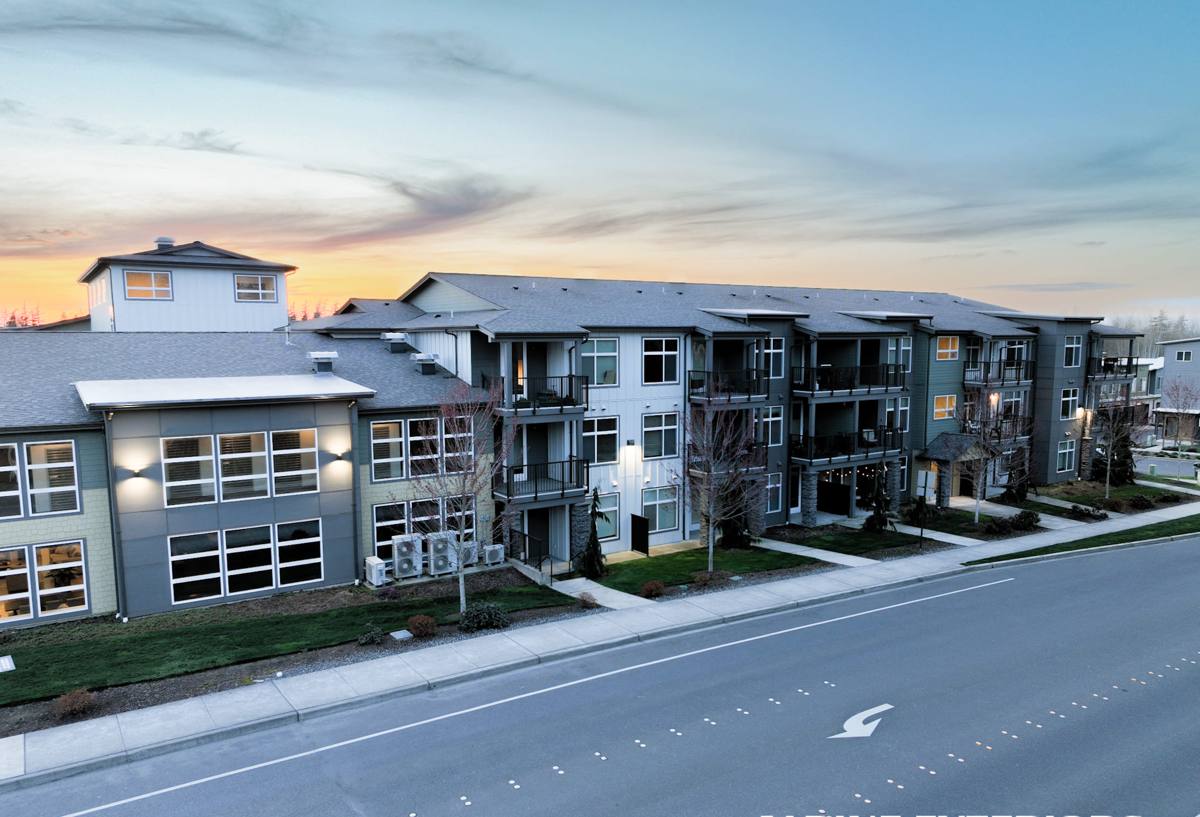
What Bradenton's Climate Actually Does to This Siding Profile
Wind-Driven Rain and the Vertical Seam Problem
Horizontal lap siding is designed to shed water downward, panel over panel, the way shingles do. Board and batten runs vertically, which means water doesn't just run off the face of the wall — during a wind-driven rain event, it can be pushed sideways and upward behind battens that aren't flashed and fastened correctly. Manatee County sees this kind of weather regularly, not just during named storms, and a batten system built without proper drainage behind it will trap moisture rather than shed it.
UV Exposure on Vertical Surfaces
Florida's sun is intense year-round, and vertical siding faces get more direct, sustained UV exposure on south- and west-facing walls than horizontal siding does at the same angle. Paint-grade materials and lower-quality finishes chalk, fade, and break down faster under that kind of exposure, which is one of the reasons finish quality matters more here than in a milder climate.
Salt Air and Fastener Corrosion
Lakewood Ranch sits inland from the Gulf, but Manatee County as a whole is close enough to the coast that airborne salt still reaches home exteriors, especially during onshore wind events. Salt-laden air accelerates corrosion on fasteners, flashing, and trim — and on a board and batten system, where the battens themselves are fastened directly through the panel into the wall assembly, corroded fasteners eventually mean loose battens, water tracking behind them, and visible staining.
How a Board & Batten System Is Actually Built
"Board and batten" describes the look, not a single product. What's underneath the visible battens determines whether the system performs. A correct system built with James Hardie fiber cement components generally includes:
- A vertical fiber cement panel (or individual boards) as the base layer, installed over a code-compliant water-resistive barrier
- Properly spaced and flashed seams behind every batten location — not just caulk covering a gap
- Fiber cement or trim battens fastened per manufacturer engineering data, at the correct spacing and penetration depth
- Corrosion-resistant fasteners rated for the coastal-influenced conditions found throughout this part of Florida
- Factory-applied finish on both the panel and the battens, so color and sheen match and weather at the same rate
- Correct flashing and sealant details at every window, door, corner, and roofline intersection, since board and batten multiplies the number of transition points on a wall
Skip any one of those steps and the siding can still look correct for a year or two. The failures that show up later — soft spots behind battens, streaking below fastener heads, battens that have started to separate from the wall — almost always trace back to something that was cut short during installation, not a flaw in the material itself.
Why We Only Build This Look in James Hardie Fiber Cement
Board and batten can be built in several materials, and homeowners in Lakewood Ranch often ask us to compare them. We install James Hardie exclusively, and it's worth being direct about why, rather than just saying "trust us."
| Material | How It Handles Wind-Driven Rain | UV & Fade Resistance | Fire Classification | Typical Long-Term Concern |
|---|---|---|---|---|
| James Hardie fiber cement | Engineered profile with proper flashing sheds water when installed to spec | Baked-on ColorPlus finish resists fading and chalking | Non-combustible | Requires correct installation; performs to spec when it's followed |
| Vinyl board and batten | Battens are often decorative/snap-fit, less rigid seam control | Can fade, chalk, and become brittle under sustained sun | Combustible, can deform in high heat | Long-term warping, fading, and impact damage |
| LP SmartSide / engineered wood | Wood-based core is vulnerable if water reaches the substrate | Factory finish holds up reasonably well if unbroken | Combustible | Moisture intrusion at cut edges and seams |
| Cedar / primed wood | Natural material, moisture-sensitive without diligent upkeep | Requires repainting/staining on a recurring cycle | Combustible | Ongoing maintenance cost and moisture risk over time |
Every one of those alternatives has legitimate uses elsewhere. But for a climate that combines hurricane-strength wind events, constant humidity, and salt air, we standardized on James Hardie because it's non-combustible, holds its factory finish longer under UV exposure, and is engineered specifically for high-wind, high-moisture regions through its HZ5 product line. We'd rather turn down a vinyl or engineered-wood board and batten job than install something we don't think will hold up on a Manatee County home.
Our Board & Batten Process for Lakewood Ranch Homes
- On-site evaluation. We look at your home's existing wall assembly, current siding condition, and exposure — corner lots and homes backing up to open space see more direct wind-driven rain than sheltered interior lots, and that affects detailing.
- Design and layout. Batten spacing and panel layout are planned around your home's actual dimensions and window/door placement, not a generic template, so reveals line up and seams land in sensible locations.
- Tear-off and substrate check. Old siding comes off, and we inspect sheathing and framing for hidden moisture damage before anything new goes up — a step that's easy to skip and expensive to regret.
- Water-resistive barrier and flashing. This is the layer nobody sees once the job is done, and it's the layer that determines whether wind-driven rain stays out.
- Panel and batten installation. Installed per James Hardie's fastening schedule and spacing requirements, not shortcuts based on what's faster.
- Trim, caulking, and final detail. Every penetration, corner, and transition gets sealed correctly rather than relying on caulk to cover a bad fit.
- Final walkthrough. We review the finished job with you before we consider it done.
Board & Batten Compared to Other Siding Profiles
Homeowners in Lakewood Ranch sometimes ask whether board and batten costs or performs differently than traditional lap siding. Both, done correctly in James Hardie fiber cement, deliver the same underlying durability — the difference is mostly labor, detailing complexity, and appearance.
| Factor | Board & Batten | Lap Siding |
|---|---|---|
| Installation complexity | Higher — more seams and fastening points per square foot | Lower — fewer vertical transitions |
| Visual style | Modern farmhouse, coastal, vertical emphasis | Traditional, classic horizontal shadow line |
| Labor time | Generally longer due to batten layout and flashing detail | Generally faster to install |
| Wind-driven rain management | Requires more precise flashing at each batten | Naturally sheds water panel over panel |
| Common local use | Full elevations or accent areas, gables, entries | Full-house primary siding |
Maintenance and Longevity in This Climate
A correctly installed James Hardie board and batten system is not maintenance-free, but it's low-maintenance compared to the alternatives. In Manatee County's climate, plan on:
- Rinsing the exterior periodically to clear salt residue and pollen buildup, especially on homes closer to open water or major roadways
- A visual inspection each year, particularly after hurricane season, checking caulk lines and batten edges for separation
- Repainting on the extended cycle typical of ColorPlus factory finishes, rather than the frequent repainting wood siding demands
- Prompt attention to any soft spots, staining, or gaps — small issues caught early are simple repairs; ignored ones become structural
What Correct Installation Looks Like — A Practical Checklist
If you're vetting any contractor for board and batten work in Lakewood Ranch, these are the things worth asking about before signing anything:
- Written fastening schedule matching manufacturer specs for your wind zone
- Flashing details at every window, door, and roofline intersection, explained specifically — not just "we seal everything"
- Batten spacing and layout plan reviewed with you before installation begins
- Corrosion-resistant fasteners appropriate for coastal-influenced air
- Substrate inspection included before new siding goes up, not assumed to be fine
- A clear explanation of the manufacturer's transferable warranty terms and what voids them
Why a Crew That Already Works Lakewood Ranch Matters
Board and batten's added complexity is exactly where experience shows. A crew that has installed this profile repeatedly across Manatee County homes has already worked through the wind zone requirements, the flashing details that hold up against wind-driven rain, and the layout decisions that make a batten pattern look intentional rather than improvised. That's a different starting point than a crew installing board and batten for the first time on your home.
If you're considering board and batten siding for your Lakewood Ranch home, we're happy to walk your property, talk through what your specific elevation and exposure call for, and give you a straightforward estimate — no pressure, no hard sell.