 Bradenton Siding
 Why Lakewood Ranch Decks Wear Out Faster Than You'd Expect
Lakewood Ranch homes look like they belong in a climate-controlled brochure, but the deck out back is living a much harder life than the rest of the house. Manatee County sun is intense almost year-round, and a deck has no roof overhang or wall cavity to hide behind. UV breaks down wood fibers and cooks the finish off boards long before the structure underneath actually fails. Add in the region's summer thunderstorm pattern — hot, humid afternoons that dump rain fast and then let the sun bake it right back out of the wood — and you get a wet-dry cycle that's brutal on lumber, fasteners, and any finish that isn't holding up its end of the bargain.
Then there's wind. Lakewood Ranch sits inland from the coast, but it's still squarely in hurricane country, and tropical systems don't lose their punch just because a neighborhood is a few miles from the water. Ledger board connections, post bases, and railing systems all take lateral and uplift loads during storms that a lot of decks simply weren't built to handle in the first place. Salt-laden air still reaches inland communities on onshore winds, accelerating corrosion on fasteners, brackets, and any exposed metal hardware. None of this means a deck is doomed — it means repairs have to account for what's actually attacking the structure, not just patch the symptom you can see.
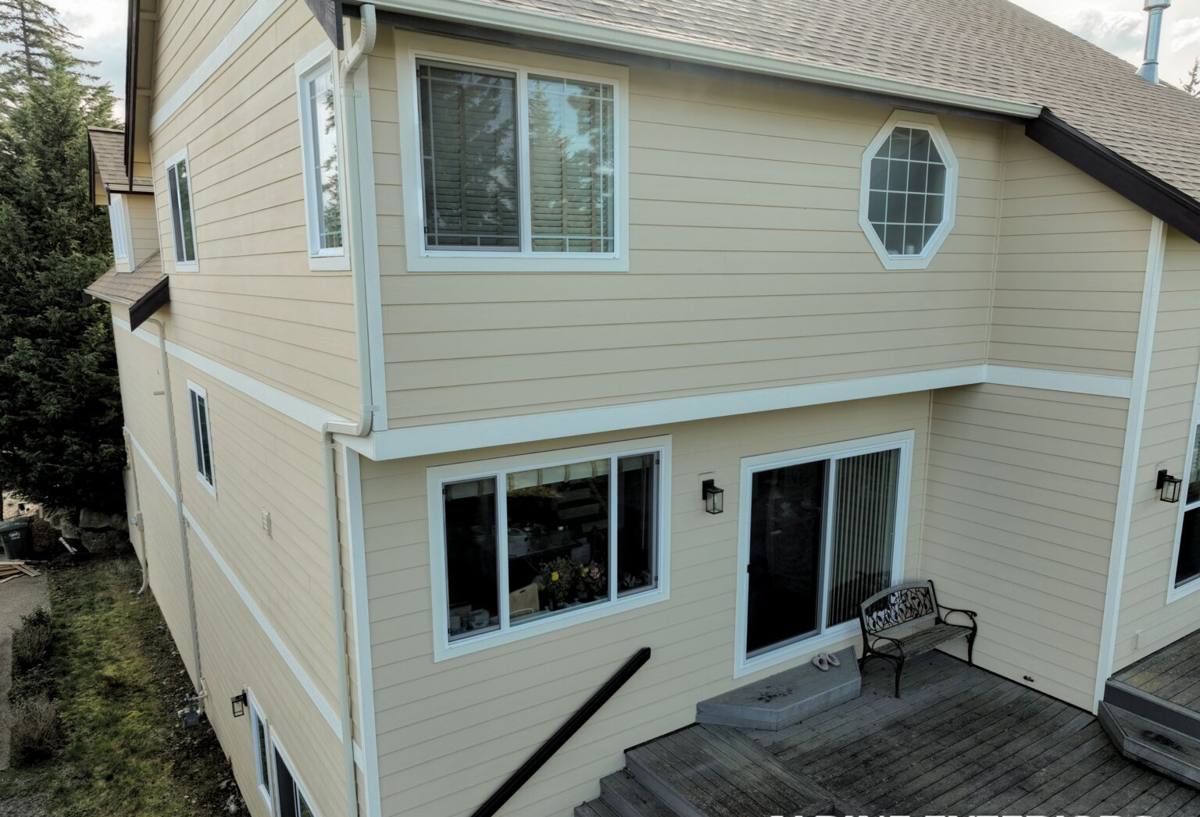
The Deck Problems We Run Into Most in This Area
Wood Rot and Soft Spots
Rot usually starts where water sits or where two pieces of wood touch and trap moisture — ledger boards against the house, joist ends, stair stringers, and the tops of posts under railing caps. By the time a homeowner notices a soft spot underfoot, the damage below the surface is often more extensive than what's visible.
Fastener and Hardware Corrosion
Nails, screws, and joist hangers that aren't rated for coastal or humid environments rust, weaken, and stain the wood around them. A deck can look structurally fine while the connections holding it together are quietly failing.
Ledger Board Separation
The ledger board — where the deck attaches to the house — is one of the most common failure points nationally, and Florida's humidity makes it worse. Improper flashing lets water track behind the board and rot both the ledger and the rim joist it's fastened to.
Railing and Baluster Failure
Railings take direct sun and constant handling, so finish failure and loosening hardware show up here first. Because railings are also a safety system, loose posts or rotted balusters need attention even when the rest of the deck looks fine.
Composite Board Issues
Composite decking resists rot but isn't immune to problems — improper fastening, poor ventilation underneath, or manufacturing-related swelling at board ends can all show up over time and need targeted repair rather than a full tear-out.
Repair or Replace? How We Make That Call
Not every deck problem means starting over, and not every deck is worth saving board by board. We evaluate a few things before recommending a direction:
- How much of the structural framing (posts, beams, joists) is affected versus just surface boards
- Whether the ledger board connection and flashing are sound or compromised
- The age and species of the existing lumber, and how it's held up so far
- Whether current code requirements (railing height, baluster spacing, footing depth) are even met by the existing structure
- Your budget and how much longer you want this deck to last before a full replacement makes more sense
A deck with a solid frame and isolated rot in a few boards or a stair stringer is usually a straightforward repair. A deck with rot at multiple structural connections, or one that was undersized for Florida conditions from the start, often costs more to keep patching than to rebuild the affected section properly.
What a Correct Deck Repair Actually Involves
A repair that only replaces what's visibly damaged tends to fail again within a season or two, because it doesn't address why the damage happened. Our approach starts with finding the cause, not just the symptom.
1. Full Inspection Below the Surface
We probe suspect boards, check ledger flashing, inspect post bases and footings, and test railing connections under load. Surface staining or a soft board is often just where a larger moisture problem happens to show itself.
2. Address the Moisture Source First
If a repair doesn't fix drainage, flashing, or ventilation under the deck, the new wood will fail the same way the old wood did. This is the step that gets skipped by repairs that are more cosmetic than structural.
3. Match Materials to the Job
Structural framing gets pressure-treated lumber rated for ground contact where applicable. Fasteners and hardware get corrosion-resistant coatings suited to humid, salt-influenced air — not the cheapest box on the shelf. Visible boards get matched as closely as possible to existing decking, whether that's wood or composite.
4. Rebuild Connections to Code
Ledger attachment, joist hangers, post-to-beam connections, and railing anchoring get brought up to current Florida Building Code requirements during the repair, not left as-is just because "that's how it was."
5. Finish and Protect
Wood repairs get properly sealed or finished before they're exposed to another Florida summer. This step matters more here than almost anywhere else in the country, given the UV and rain cycle described above.
Repair Materials: What We Use and Why
| Component | Typical Choice | Why It Matters Here |
|---|---|---|
| Structural framing | Pressure-treated pine, ground-contact rated where needed | Resists rot and insect damage in Florida humidity better than untreated or under-rated lumber |
| Fasteners & hangers | Hot-dip galvanized or stainless, coastal-rated | Standard hardware corrodes faster in salt-influenced, humid air and can fail structurally |
| Ledger flashing | Corrosion-resistant metal flashing with proper overlap | Prevents the single most common cause of ledger and rim joist rot |
| Decking boards | Matched wood species or composite, as existing | Keeps appearance consistent and avoids mixing materials that expand/contract differently |
| Finish/sealant | UV-rated exterior sealant or stain | Slows the sun and rain cycle that ages Florida decks faster than most regions |
What Drives the Cost of a Deck Repair
Every deck is different, so we avoid quoting numbers before we've actually inspected the structure — but a few factors consistently move the price up or down:
| Factor | Impact on Cost |
|---|---|
| Extent of structural vs. cosmetic damage | Structural framing repairs (joists, beams, posts, footings) cost more than board replacement |
| Ledger board condition | Ledger and flashing repair adds labor since it involves the house connection, not just the deck |
| Material match (wood vs. composite) | Composite repairs can cost more per board but typically need less frequent future maintenance |
| Accessibility and deck height | Second-story or hard-to-access decks take longer to work on safely |
| Code upgrades required | Bringing older railings or connections up to current code adds scope but improves safety |
Why It Matters That We Already Work in Lakewood Ranch
A crew that repairs decks across Manatee County sees the same failure patterns over and over in this specific climate — which ledger details fail first, which fastener grades hold up and which don't, how sun exposure on a west-facing deck differs from a shaded one. That local repetition matters more than it might seem. It means we're not guessing at what Florida humidity and hurricane-season wind will do to a repair over the next five years; we've already seen how similar repairs held up or didn't.
It also means we understand Manatee County permitting and inspection requirements for deck work, so structural repairs get done and documented correctly rather than creating a problem at resale. Lakewood Ranch's mix of newer construction and established sections means we run into everything from recently built decks with a single bad detail to older decks that were never quite built to current standards — and we adjust our recommendation to which one we're actually looking at.
Maintaining a Deck After Repair
A good repair buys you years, but a few habits keep it from becoming a repeat job:
- Rinse off pollen, leaf debris, and salt residue with a garden hose every few weeks
- Check railings and stair connections for looseness at the start of hurricane season each year
- Reapply sealant or stain on wood decking on the schedule recommended for the product — Florida sun shortens most manufacturer intervals
- Keep gutters and downspouts directed away from the deck structure and footings
- Trim back landscaping that keeps the underside of the deck shaded and damp longer than it should be
- Have connections and ledger flashing checked periodically, especially after a significant storm
Get a No-Pressure Look at Your Deck
If your Lakewood Ranch deck has soft spots, rust stains around the hardware, a wobbly railing, or you're just not sure how it held up through last hurricane season, we're happy to take a look and give you an honest read on what it needs — repair, partial rebuild, or nothing urgent at all. Use the form below to request a free estimate, and we'll walk the deck with you and explain exactly what we find.