 Bradenton Siding
 Why Lakewood Ranch Homes Put Windows to the Test
Lakewood Ranch sits inland from the coast, but "inland" in Manatee County doesn't mean sheltered. Homes here still deal with the same tropical sun load, humidity swings, and wind events that hit the rest of the Bradenton area — just without direct ocean spray on every wall. That combination is actually harder on windows in some ways than a beachfront lot, because the sun exposure is relentless nearly every day of the year, and the wind still arrives at full force during a tropical storm or hurricane even miles from the water.
Salt-laden air still moves inland on sea breezes, especially in the western parts of the community closer to Sarasota Bay and Tampa Bay's reach. Add wind-driven rain that finds every gap in old flashing, and you've got a climate that will expose a poorly installed or outdated window within a few years, not a few decades.
We work on homes throughout Lakewood Ranch regularly, alongside the rest of our Bradenton service area, and the pattern is consistent: builder-grade windows from the original construction start showing their age around the same time — fogged glass, sticking frames, and utility bills that creep up every summer.
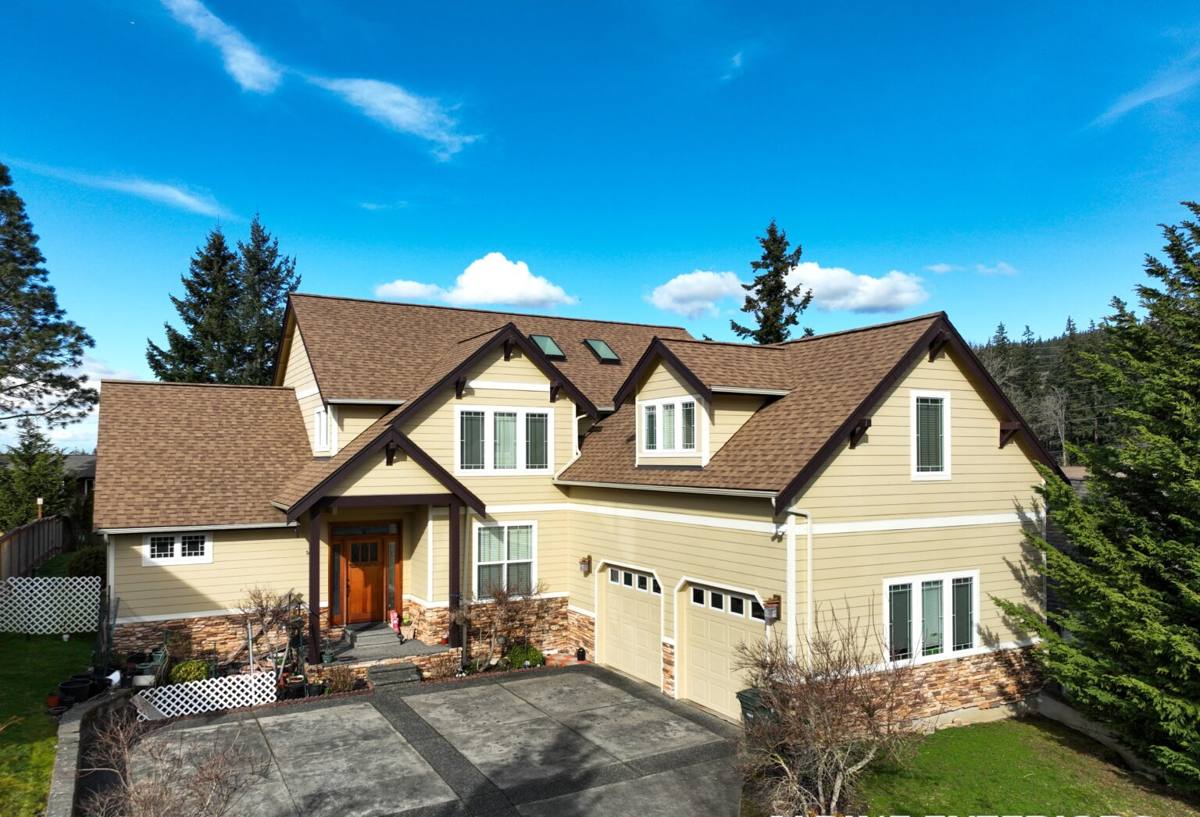
What "Energy-Efficient" Actually Means for a Florida Window
Energy efficiency isn't a marketing sticker — it's a set of measurable properties that determine how much heat, UV, and outside air actually gets through the glass and frame. For a Manatee County home, three numbers matter most:
- U-Factor — measures how well the window blocks heat transfer. Lower is better in our climate; it keeps outdoor heat from working its way inside.
- SHGC (Solar Heat Gain Coefficient) — measures how much solar radiation passes through the glass as heat. This matters more here than almost anywhere in the country, since Florida homes fight solar heat gain year-round, not just in summer.
- Air Infiltration Rating — measures how much air leaks around the sash when it's closed. A tight rating keeps humid outside air from sneaking in and stressing your AC.
Low-E coatings, multi-pane glass, and inert gas fills (like argon) all work together to hit good numbers on these ratings. But the frame matters just as much as the glass — a great pane of glass in a warped or poorly sealed frame will still leak air and heat.
Why This Matters More in Lakewood Ranch Than It Sounds
Air conditioning is the single largest energy expense for most homes in this part of Florida, running for most of the year. Windows are one of the biggest weak points in a home's thermal envelope — a home with old, single-pane or poorly sealed windows is often fighting a losing battle against solar heat gain no matter how well the AC system itself is running.
Impact-Rated vs. Non-Impact: What Local Homeowners Should Weigh
Manatee County falls under Florida Building Code wind-borne debris requirements, which means new window installations typically need to meet a wind-load and impact standard, or be paired with approved shutter protection. The right choice depends on your home, your budget, and how much manual storm prep you want to deal with each season. We'll always confirm exact requirements for your specific address with the county before finalizing a design — codes and wind zones can vary by lot and by how the home is classified.
| Factor | Impact-Rated Windows | Standard Windows + Shutters |
|---|---|---|
| Storm prep effort | None — always protected | Must install shutters before every storm |
| Upfront cost | Higher per window | Lower window cost, added shutter cost |
| Daily noise/UV reduction | Better, even on clear days | No benefit unless shutters are closed |
| Curb appeal | No visible hardware | Shutter tracks/panels visible on exterior |
| Insurance considerations | May help with wind mitigation credits | Depends on shutter type and rating |
Impact-rated glass also has an everyday upside a lot of homeowners don't expect: it cuts down outside noise and blocks a large share of UV transmission even when there's no storm in the forecast, which helps protect flooring and furniture from sun fading.
Signs Your Current Windows Are Costing You Money
Most homeowners don't replace windows because they woke up wanting new windows — they replace them because something is visibly failing. Common signs we see on Lakewood Ranch service calls:
- Fogging or a cloudy haze between panes (a sign the seal has failed and the gas fill is gone)
- Frames that feel warm to the touch on the interior side during peak sun hours
- Sashes that stick, won't latch fully, or have visible gaps when closed
- Noticeable outside noise that seems louder than it should be
- Rooms facing west or south that stay noticeably hotter than the rest of the house
- Soft spots, discoloration, or bubbling paint on the interior wall or sill around the frame
That last one is worth taking seriously — it usually means water has been getting behind the frame for a while, which points to a flashing or sealant failure rather than just an old window.
What a Correct Installation Actually Involves
The window product only performs as well as the installation around it. In our experience, most window failures in this climate trace back to installation shortcuts, not a bad product. A correct job includes:
- Removing the old unit and inspecting the rough opening for hidden rot, moisture damage, or termite activity before anything new goes in
- Repairing or replacing any damaged framing found during that inspection — never boxing in a problem
- Installing proper flashing tape and a moisture barrier around the opening, lapped correctly so water sheds outward, not inward
- Setting the window level, plumb, and square, with shims at the correct load points
- Fastening according to the manufacturer's wind-load specifications, not just "enough screws to hold it"
- Sealing the interior and exterior with the correct sealant for Florida's UV and humidity exposure
- Confirming the unit operates smoothly and locks fully before calling the job done
Skipping the flashing and moisture barrier step is the single most common shortcut we see when repairing other contractors' work. It's invisible once the trim goes back on, and it's exactly where wind-driven rain finds its way into a wall cavity.
Frame Material Options and Trade-Offs
There's no single "best" frame material — each has trade-offs worth understanding before you decide.
| Frame Type | Strengths | Trade-Offs |
|---|---|---|
| Vinyl | Good insulation value, resists corrosion, lower cost | Can expand/contract with heat over time; quality varies widely by manufacturer |
| Aluminum | Strong, slim sightlines, holds up structurally | Conducts heat more than other materials unless thermally broken |
| Fiberglass | Very stable in heat, low expansion, long service life | Higher upfront cost |
We'll walk through which option fits your home's exposure, your budget, and how long you plan to stay in the house — a fiberglass frame is a different value proposition for a forever-home than it is for a property you plan to sell in a few years.
How Our Process Works, Start to Finish
- On-site assessment — we look at existing window condition, frame material, sun exposure by elevation, and any moisture or rot concerns before recommending anything.
- Straightforward proposal — you get a clear breakdown of product options, ratings, and pricing, with no pressure to upgrade past what your home actually needs.
- Permitting — we handle the Manatee County permit application for the scope of work, since window replacement in wind-borne debris areas typically requires one.
- Installation — old units out, opening inspected and repaired if needed, new units set, flashed, and sealed correctly.
- Final walkthrough and inspection — every window opens, closes, and locks properly before we consider the job finished, and we coordinate any required county inspection.
Why a Crew That Already Works Lakewood Ranch Matters
Window installation quality depends heavily on knowing the local conditions before the first window comes out. A crew that regularly works Lakewood Ranch and the greater Bradenton area already understands the typical construction styles found in the community's homes, the permitting process with Manatee County, and how the local sun and storm exposure differs slightly across the area's various sections.
That familiarity shows up in small but meaningful ways — knowing which window lines actually hold up to Gulf Coast humidity long-term, sequencing the job around Florida's afternoon storm patterns so openings aren't left exposed longer than necessary, and having a working relationship with the county permitting office that keeps the paperwork moving instead of stalling the project.
Living With Your New Windows
Energy-efficient windows are low-maintenance, but not zero-maintenance in this climate. A little upkeep keeps them performing at their rated level for the long haul:
- Rinse frames and tracks periodically to clear salt residue and dust before it builds up in the hardware
- Check weep holes at the base of the frame to make sure they're clear and draining properly
- Inspect exterior caulking annually and touch up any cracked or shrinking sealant
- Operate each window a few times a year, even ones you rarely open, so hardware doesn't seize
If you're weighing whether it's time to replace your windows, or just want an honest read on what condition yours are in, we're happy to come take a look. The estimate is free, there's no pressure, and you'll get a straight answer about what your home actually needs — use the form below to get started.