 Bradenton Siding
 Why Longboat Key Homes Need a Different Window Approach
Longboat Key is a barrier island, and barrier island homes take a different kind of beating than houses ten miles inland. The Gulf side and the bay side both throw wind-driven moisture at your windows almost year-round, salt hangs in the air even on calm days, and the sun exposure here is more intense and more constant than most manufacturers' standard warranties are written for. A window that performs fine in a subdivision off SR-70 in Bradenton can fail early on Longboat Key simply because the environment is harsher.
"Custom" on this page doesn't mean fancy trim or a showroom upgrade. It means sizing, glazing, frame material, and installation detailing chosen specifically for a barrier-island house — which is often an older concrete block home, a raised coastal build, or a condo unit with its own set of rules. Off-the-shelf big-box windows are built for a general market. Longboat Key isn't a general market.
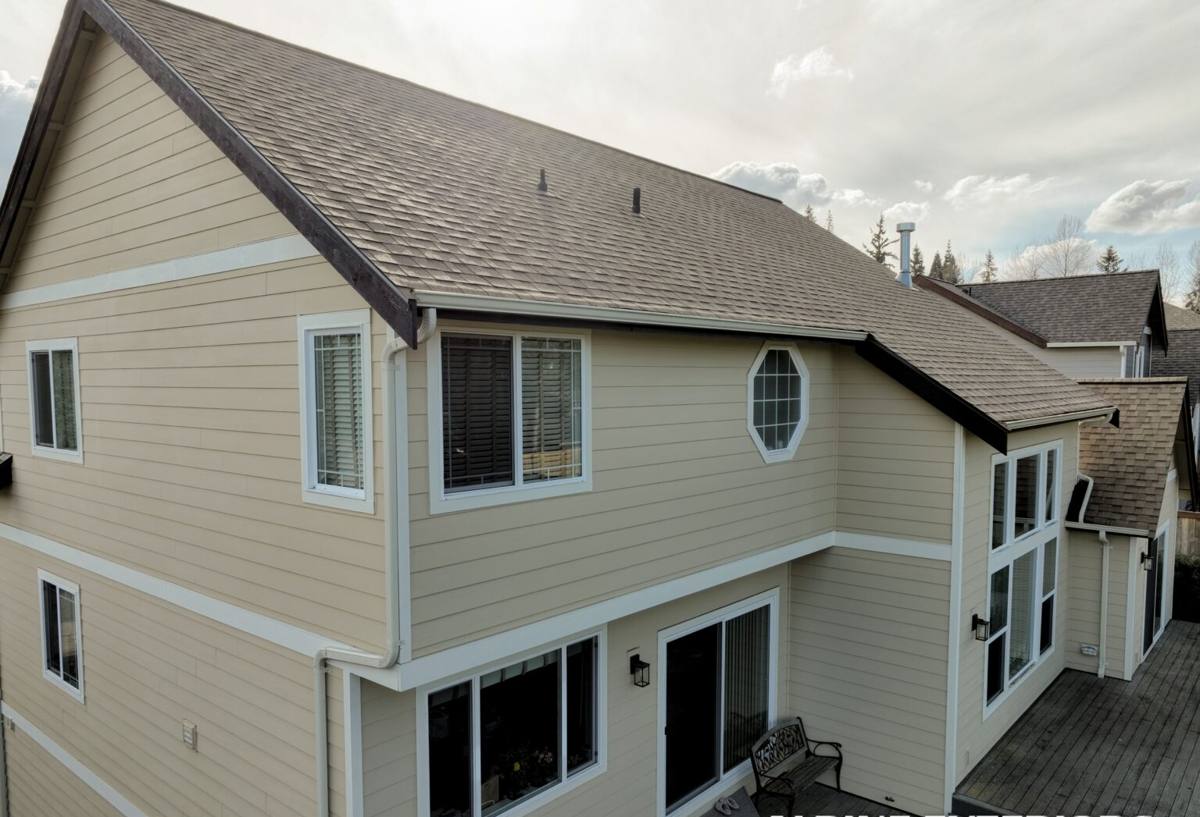
The Climate Factors That Actually Drive the Decision
Hurricane-Force Wind and Wind-Borne Debris
Manatee County sits in a wind-borne debris zone, and an island location like Longboat Key gets the full, unobstructed force of tropical storms and hurricanes with nothing to slow the wind down before it reaches your walls. Windows here need to hold up not just to steady pressure but to sudden impact from debris — that's the difference between "hurricane resistant" marketing language and windows actually engineered and tested for impact.
Wind-Driven Rain
Rain doesn't fall straight down in a coastal storm — it drives sideways, and a window with even a small gap in flashing or sealant will let water in behind the frame, into the wall cavity, where it causes rot and mold long before you ever see a stain on the interior. Proper flashing and sealant detail matters more here than almost anywhere else in the county.
Salt Air and Corrosion
Salt air corrodes metal hardware, pits poor-quality aluminum, and breaks down cheap sealants faster than inland exposure ever would. Fasteners, hinges, and locking hardware that aren't rated for coastal exposure will start showing white corrosion or seizing up within a few years on an island like this.
Year-Round UV
Florida sun is intense everywhere, but a west- or south-facing window on Longboat Key gets nearly uninterrupted exposure. UV degrades vinyl, fades interior finishes, and breaks down low-grade glazing seals over time, which is why glass package and frame material choice matter as much as the impact rating.
Impact-Rated vs. Standard Windows: What's the Real Difference
| Factor | Impact-Rated Window | Standard Window |
|---|---|---|
| Glass construction | Laminated glass bonded to an interlayer that stays intact when struck | Standard tempered or annealed glass, no interlayer |
| Storm protection | Can typically remain in place during a storm; may reduce or remove the need for shutters | Requires separate shutters or plywood coverage |
| Insurance impact | Often qualifies for windstorm mitigation credits | No mitigation credit |
| UV and sound performance | Laminated glass also cuts UV transmission and outside noise | Standard UV and sound performance |
| Upfront cost | Higher per opening | Lower per opening |
For a barrier island property, impact-rated glazing is worth serious consideration even where it's not strictly required by code, simply because of what a direct hit from wind-borne debris does to a standard pane at gulf-front wind speeds. We'll walk you through both options honestly rather than push the more expensive one by default — some interior or leeward openings on a given home may not need the same spec as the gulf-facing side.
Frame Material: What Holds Up on an Island
Frame material choice matters as much as the glass on a coastal job. Here's how the common options actually perform in this environment, without the marketing spin:
- Vinyl: Good moisture and corrosion resistance, no rust risk, but quality varies a lot between manufacturers — thin, low-grade vinyl can warp under sustained direct sun exposure.
- Aluminum: Strong and slim-profile, which coastal and modern homes often want, but it needs to be a marine-grade or properly coated aluminum — bargain-grade aluminum hardware corrodes fast in salt air.
- Fiberglass: Excellent dimensional stability and corrosion resistance, holds paint well, generally the strongest option for harsh coastal exposure — and priced accordingly.
- Wood-clad: We generally steer island clients away from exposed wood exteriors here. The maintenance burden from humidity and salt exposure is high, and even quality clad products need diligent upkeep at joints and sills to avoid moisture intrusion over time.
Hardware and Fasteners
Even the right frame material can underperform if it's installed with standard-grade screws and hinges. On Longboat Key jobs we spec stainless or coastal-rated hardware throughout — it costs more upfront and it's the difference between hardware that still operates smoothly in ten years and hardware that seizes or stains in three.
What a Correct Custom Window Job Actually Involves
Accurate Measurement and Sizing
Older concrete block homes and raised coastal construction rarely have perfectly square, standard-sized openings. Custom sizing means measuring each opening individually rather than forcing a stock size into a rough opening with excess shim and sealant — every extra gap is a future leak path.
Flashing and Waterproofing Detail
This is where most window failures on the coast actually start, and it's invisible once the job is done. Proper installation means correctly lapped flashing, sealant compatible with the substrate, and attention to the sill pan — not just caulk around the trim.
Structural Attachment
Impact-rated and hurricane-zone windows are only as good as their anchoring into the substrate. Fastener type, spacing, and embedment depth into block or framing all have to match the window's design pressure rating, not just "look secure."
Final Sealing and Finish
Interior and exterior sealant, trim, and paint match should hold up to the same UV and moisture exposure as the window itself — a mismatched or low-grade sealant is a callback waiting to happen.
Permitting, HOA, and Architectural Review on Longboat Key
Longboat Key spans portions of both Manatee and Sarasota counties, and window replacement work on the island generally requires a building permit, with plans and products meeting the applicable wind-load and impact standards for the zone. Beyond the permit itself, many Longboat Key properties — especially condominiums and homes in deed-restricted communities — also require architectural review or association approval before exterior work begins, covering things like frame color, grid pattern, and glass appearance.
This is one of the biggest practical differences between working on the island versus a typical Bradenton subdivision job: the permitting is more involved, and there's often a second layer of approval on top of the county's requirements. Homes and condo associations vary in what they require, so we account for this in scheduling rather than treating it as an afterthought.
Signs Your Current Windows Need Attention
- Visible fogging or moisture between panes (failed seal on double-pane glass)
- Difficulty opening, closing, or locking — often a sign of frame warping or corroded hardware
- Soft or discolored drywall, trim, or sill area near the window after storms
- Whistling or noticeable air movement around the frame during windy conditions
- Visible pitting, chalking, or white corrosion on aluminum frames or hardware
- Rising energy bills without another clear cause, which often points to failing seals or single-pane glass
Any one of these on its own isn't necessarily an emergency, but on a barrier-island home they tend to compound quickly once water finds a way in behind the frame.
Why Local Experience on Longboat Key Matters
A crew that regularly works Longboat Key already understands the permitting layers, the typical construction types found on the island, and the real-world behavior of different frame materials in that specific salt and wind exposure — not just the general Manatee County code minimum. That translates into fewer surprises during permitting, product recommendations suited to the specific side of the house you're replacing, and installation detail that accounts for how hard this environment actually is on a window over time.
We're a Bradenton-based crew, and Longboat Key is part of our regular service area, not a special trip. That matters when it comes to warranty follow-up and service after the install — you're not waiting on a contractor from out of the region to come back for an adjustment.
What Affects the Cost of a Custom Window Project
| Cost Factor | Why It Matters |
|---|---|
| Impact rating vs. standard glazing | Laminated impact glass costs more per opening than standard tempered glass |
| Frame material | Fiberglass and marine-grade aluminum run higher than standard vinyl |
| Opening size and shape | Custom or oversized openings, arches, and non-standard shapes require more fabrication |
| Number of openings | Whole-house replacement typically brings a better per-unit price than a few scattered windows |
| Structural condition | Rot, out-of-square openings, or substrate repair needed before install adds cost |
| Permitting and HOA review | Additional approval steps can add time, and occasionally added documentation costs |
We give straightforward, itemized numbers rather than a flat per-window rate that doesn't account for what your specific home actually needs — a west-facing gulf-side opening and a shaded interior hallway window aren't the same job, and shouldn't be priced the same.
Get an Honest Look at Your Windows
If you're weighing a full custom window replacement on Longboat Key or just want a straight answer on whether your current windows are holding up the way they should, we're glad to take a look. The estimate is free, there's no pressure, and you'll get a clear explanation of what your home actually needs — use the form below to get started.