 Bradenton Siding
 Roof Repair Built for Longboat Key's Barrier Island Conditions
Longboat Key sits out on the Gulf side of the Manatee County coastline, and that location changes what a roof has to survive. A roof three miles inland in Bradenton deals with heat, humidity, and the occasional storm. A roof on Longboat Key deals with all of that plus near-constant salt-laden air, higher sustained wind exposure with fewer windbreaks, and direct wind-driven rain off the open water during tropical systems. We repair roofs across Manatee County, but we treat island work differently because the roof itself is under different stress every single day, not just during hurricane season.
That's the core of what this page is about: what roof repair actually needs to look like for a Longboat Key home, why a repair that would hold up fine in a subdivision ten miles inland can fail early out here, and how we approach a repair so it actually lasts through the next several storm seasons instead of needing to be redone in a year or two.
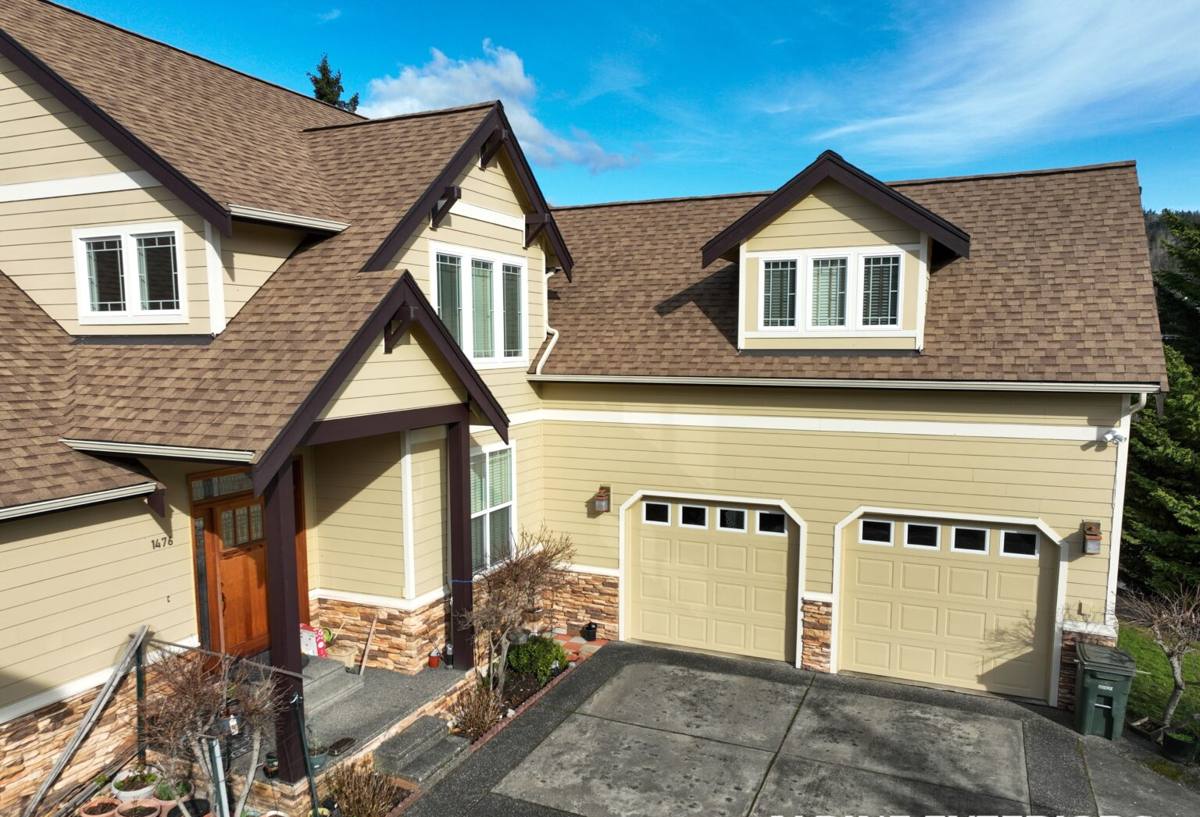
Why Coastal Exposure Wears Roofs Down Faster
Four things drive most of the roof repair calls we get on the island, and they compound each other:
- Salt air corrosion — airborne salt settles on metal roof components and accelerates rust and pitting on fasteners, flashing, drip edge, and any exposed screws or nail heads. Once corrosion starts at a fastener, it loosens its grip on the roof deck, which is exactly where leaks and wind damage begin.
- Intense, year-round UV — Florida sun degrades roofing sealants, shingle granules, and underlayment faster on the coast than inland, partly because there's less tree canopy shading island roofs and more reflected UV off open water and light-colored surfaces nearby.
- Wind-driven rain — during tropical storms and hurricanes, rain doesn't just fall on a Longboat Key roof, it's driven sideways into laps, flashing seams, and vent penetrations that were never designed to shed water horizontally. This is how a roof that looks intact from the ground ends up with interior water stains after a storm.
- Sustained wind uplift — with open water on one or both sides depending on the property, wind speeds and uplift pressure at roof edges and corners tend to run higher here than at comparable inland elevations, which is exactly where shingles, tiles, and flashing first start to lift and fail.
None of this means island roofs are doomed to constant problems. It means repairs have to account for these conditions specifically, using materials and techniques rated for coastal exposure, not whatever is standard for an inland job.
Signs a Longboat Key Roof Needs Repair
Most roof problems on the island show up as small, specific issues before they turn into a full leak. Worth checking for, or having us check for, especially after any named storm or a stretch of hard wind:
- Missing, cracked, or lifted shingles or tiles, especially near ridges, edges, and corners where wind pressure is highest
- Rust streaks running down from flashing, vent boots, or exposed fasteners
- Soft spots or discoloration on interior ceilings, particularly near chimneys, skylights, or where roof planes meet
- Cracked or shrinking rubber boots around plumbing vent pipes — usually the first thing to fail on any Florida roof
- Granule buildup in gutters or at downspout outlets, a sign shingles are breaking down under UV exposure
- Visible gaps or lifted seams in valley flashing after heavy rain
- Any daylight visible through the roof deck from the attic side
If you're only seeing one or two of these, it's usually a straightforward repair. If several show up at once, or if a storm has passed through recently, it's worth a full inspection before deciding what's actually needed — sometimes what looks like a small leak is a symptom of underlayment failure across a wider section of roof.
Where We Most Often Find the Damage
Flashing and Transitions
Flashing around chimneys, skylights, wall-to-roof transitions, and roof-to-roof valleys is where salt air corrosion and wind-driven rain do the most damage. Once a flashing seam corrodes or lifts even slightly, wind-driven rain will find its way underneath it during the next storm, even if the shingles or tiles above look perfectly fine.
Penetrations
Every pipe boot, vent stack, and mounting point for solar or satellite equipment is a potential entry point. UV exposure dries out rubber boots faster on the coast, and that's consistently one of the most common single-point leak sources we find during island inspections.
Fasteners and Fastening Patterns
Corroded or under-driven fasteners are a wind-resistance problem, not just a cosmetic one. A shingle or piece of flashing held by a corroded nail doesn't hold its rated wind resistance, which is why we check fastener condition specifically rather than just looking at surface material during a repair assessment.
Tile-Specific Issues
On tile roofs, which are common on the island, the underlayment beneath the tile does most of the actual waterproofing — the tile mainly protects the underlayment from UV and impact. Cracked or slipped tiles are often a sign the underlayment beneath them is aging out and needs attention, not just a tile swap.
What an Honest, Correct Repair Actually Involves
A repair that actually holds up on Longboat Key isn't just patching the spot that's visibly damaged. Our standard for a correct repair includes:
- Removing enough surrounding material to inspect the deck and underlayment condition beneath the visible damage — a leak often travels before it shows up, so we don't stop at the surface symptom
- Matching replacement shingles, tiles, or metal as closely as possible in profile and color, understanding that some fading mismatch is unavoidable on an older roof
- Using corrosion-resistant fasteners and flashing rated for coastal/salt-air exposure, not standard-grade hardware
- Re-sealing with UV-stable, high-grade sealants at penetrations and flashing laps rather than a quick surface caulk
- Checking and, where needed, correcting fastening patterns to meet current wind-resistance requirements for that section of roof
- Confirming the repair ties in cleanly with surrounding underlayment and flashing so water is shed outward, not trapped
We'll tell you plainly when a repair is the right call and when it isn't. If the underlying issue is widespread — deck rot across multiple sections, underlayment past its service life, or a pattern of repeat failures — patching one spot is a short-term fix that costs you money twice. We'd rather give you that assessment honestly upfront than have you call us back in eight months.
Repair Scope and Cost Factors
Every roof and every repair is different, but the factors below generally drive cost more than roofing material alone. This is meant to help you understand what you're paying for, not to replace an actual on-roof assessment.
| Repair Type | Typical Scope | What Drives Cost |
|---|---|---|
| Vent boot / penetration seal | Single point repair, minimal material | Roof pitch, access, number of penetrations needing service |
| Flashing repair (chimney, wall, valley) | Localized removal and reflashing | Flashing material grade, extent of corrosion, tie-in complexity |
| Shingle or tile section replacement | Patch section, deck check | Material match availability, deck condition underneath |
| Underlayment repair beneath tile | Tile removal, underlayment patch, tile reset | Size of affected area, tile breakage during removal |
| Storm damage repair (wind/impact) | Multiple areas, possible deck repair | Extent of damage, insurance scope, material availability post-storm |
As a broad rule, isolated repairs — a boot, a section of flashing, a handful of tiles or shingles — are a modest, contained expense. Repairs involving deck replacement or wide underlayment failure cost more because they involve more tear-off and rebuild. We give a specific number only after we've actually looked at the roof, since guessing a price without inspecting a coastal roof does homeowners a disservice.
How Our Repair Process Works
- Inspection. We walk the roof (or use a safe alternative for steep or fragile roofs) and check not just the reported problem area but flashing, penetrations, and fastener condition across the whole roof, since coastal wear is rarely isolated to one spot.
- Assessment and explanation. We show you what we found and explain what's causing it in plain terms — no pressure toward a bigger job than what's needed.
- Written scope and pricing. You get a clear description of what will be repaired, the materials used, and the price before any work starts.
- The repair itself. We remove damaged material back to sound decking and underlayment, replace and reflash with coastal-rated materials, and reseal properly rather than surface-patching.
- Final check. We confirm the repair ties in cleanly with the surrounding roof and walk you through what we did.
Permits, Codes, and Association Requirements
Roof repair work in Manatee County generally requires a permit once the scope goes beyond minor cosmetic repair, and inspectors check that repairs meet current wind-resistance standards for the roof's exposure category — which matters more on a barrier island property than an inland one. If your Longboat Key property is part of a condominium association or HOA, there's often an additional layer: association approval, specific contractor insurance documentation, and sometimes restrictions on work hours or staging areas. We handle the permitting and paperwork side of this so it doesn't fall on you, and we're used to working within association requirements rather than treating them as a surprise mid-job.
Why a Crew That Already Works Longboat Key Matters
Island work has practical logistics that inland jobs don't. Bridge access and traffic timing affect scheduling. Many properties are condominiums or HOA communities with their own insurance certificate requirements, notice periods, and rules about where materials and equipment can stage. A crew that already works Longboat Key regularly has those relationships and logistics worked out, so your repair doesn't get delayed by paperwork nobody anticipated.
There's also a materials and technique difference that only shows up with experience. A contractor who mostly works inland Bradenton roofs may not default to corrosion-resistant fasteners, coastal-rated flashing, or UV-stable sealants unless asked — because inland roofs don't demand it the same way. A crew that repairs island roofs regularly builds that into every job by default, because we've seen what standard-grade materials look like out here after two or three storm seasons.
After the Repair: Protecting Your Investment
A good repair extends your roof's life, but coastal conditions keep working on it every day after we leave. A short annual maintenance routine goes a long way:
- Rinse accumulated salt residue off the roof surface periodically, especially after long dry stretches without rain
- Keep gutters and downspouts clear so wind-driven rain has somewhere to go instead of backing up under shingles or tiles
- Have vent boots and sealant checked annually — they're the first thing UV exposure breaks down
- Schedule a post-storm check after any named tropical system, even if you don't see obvious damage from the ground
- Trim back any overhanging vegetation that can trap moisture or debris against the roof surface
None of this replaces a professional inspection, but it catches small issues before they become the kind of repair call that comes with a stained ceiling attached.
Get a Straight Answer About Your Roof
If you're dealing with a leak, storm damage, or just want a professional set of eyes on a Longboat Key roof before the next storm season, we're glad to take a look. The estimate is free, there's no pressure to do more work than the roof actually needs, and you'll get a plain-English explanation of what we find. Fill out the form below to schedule a visit.