 Bradenton Siding
 Tara is one of the more established residential communities on the east side of Bradenton, and the roofs here are aging into the window where homeowners start weighing a second (or third) asphalt shingle replacement against switching to metal for good. It's a reasonable question to ask. A properly installed metal roof in Manatee County can outlast two or three shingle roofs, shrugs off wind gusts that tear shingles loose, and holds up to the sun exposure that bakes lesser materials brittle within a decade. But "properly installed" is doing a lot of work in that sentence — metal roofing is far less forgiving of shortcuts than shingles, and a bad install shows up as leaks, oil-canning, or fastener failure years before a good one would.
This page covers what a metal roof actually needs to hold up on a Tara home, what our installation process looks like, and why local experience matters more with this material than with almost any other exterior product.
Why Tara's Climate Puts Real Demands on a Roof
Every roofing job in Bradenton has to answer to the same set of conditions, and Tara is no exception. Hurricane-force wind events are a when, not an if, for anyone who owns property in this area long enough. Year-round UV exposure is intense and constant, not seasonal. Wind-driven rain doesn't just fall on a roof, it gets pushed sideways into every seam, lap, and penetration. And because we're close enough to the Gulf for salt-laden air to travel inland on a sea breeze, corrosion resistance isn't optional — it's baked into every material decision.
A metal roof handles all four of these better than most other roofing materials, but only when the system underneath and around it is specified correctly for this environment. Generic installation practices that work fine in a drier, calmer climate can fail here in ways that don't show up until the first real storm.
What This Means Specifically for Metal
- Wind uplift: Panel gauge, fastening pattern, and clip spacing all need to be matched to Manatee County's wind-load requirements, not a manufacturer's minimum spec sheet.
- Thermal movement: Metal expands and contracts more than shingles across a hot Florida day-to-night swing. Panels and fasteners need room to move without working loose or oil-canning.
- Water intrusion under pressure: Wind-driven rain will find any underlayment gap, so laps, valleys, and penetrations need to be sealed as if the water is coming in sideways — because it is.
- Corrosion: Fasteners, flashing, and panel coatings all need to be rated for coastal-influenced air, even this far inland from the open Gulf.
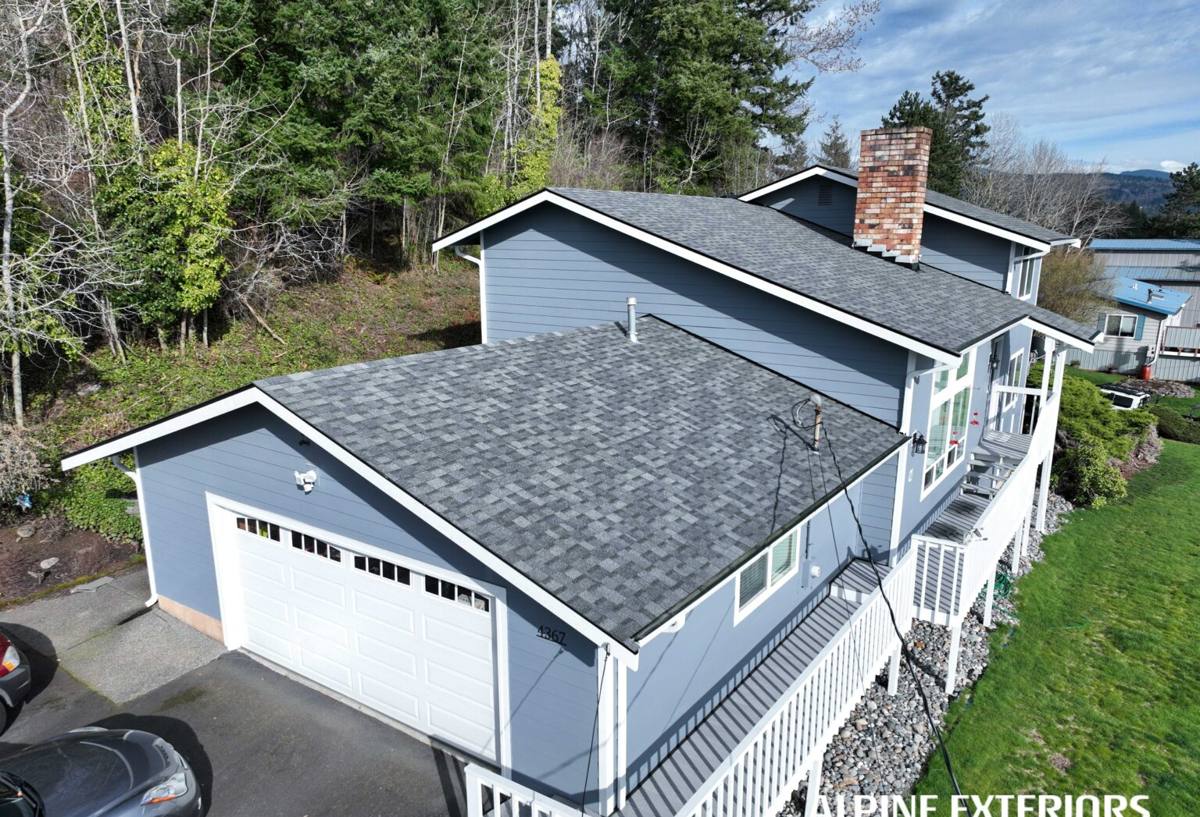
What a Correct Metal Roofing Job Actually Involves
Metal roofing has a reputation for being "install it once and forget it," and that's true — but only downstream of a correct install. The material itself isn't where most problems originate. Problems come from what's underneath it, how it's fastened, and how the details are handled at every edge, valley, and penetration.
Deck Inspection and Prep
Before a single panel goes down, the roof deck gets inspected for soft spots, delamination, or old fastener damage from the previous roof. Metal roofing puts different stress on a deck than shingles do, and skipping this step is one of the most common ways a metal roof develops problems within the first few years.
Underlayment
A high-temperature-rated synthetic or self-adhered underlayment goes down as the actual waterproofing layer — the metal panels are the weather shield, but the underlayment is the backup that matters when wind-driven rain works its way past a lap or seam. In this climate, that backup layer isn't a formality.
Fastening and Panel Layout
Panel type (standing seam versus exposed-fastener), clip spacing, and fastener pattern all get set based on the wind exposure of the specific roof, not a one-size-fits-all default. Standing seam systems use concealed clips that allow the panel to expand and contract with temperature without stressing the fastener points — this is one of the biggest reasons standing seam tends to outperform exposed-fastener panels over the long run in a climate with this much thermal swing.
Flashing, Valleys, and Penetrations
This is where most roof leaks actually originate, on any roofing material. Valleys, wall transitions, pipe boots, and vent penetrations all need custom-formed flashing sealed correctly to the panel profile. A metal roof with beautiful panels and a lazy valley detail will leak in the first real storm.
Edge and Trim Details
Drip edges, rake trim, and ridge caps need to be fastened and sealed to handle wind uplift at the edges, which is where roofs fail first in a hurricane-force event. This is also where corrosion-resistant fastener selection matters most, since edge trim takes the brunt of wind-driven rain exposure.
| Detail | Why It Matters in Tara | What We Check |
|---|---|---|
| Underlayment type | Backup waterproofing against wind-driven rain | High-temp rated, correctly lapped and sealed |
| Fastener material | Salt-air exposure accelerates corrosion | Corrosion-resistant fasteners matched to panel metal |
| Panel/clip system | Thermal expansion from intense UV and heat | Standing seam clips sized for expected movement |
| Edge and ridge fastening | First failure point in hurricane-force wind | Fastening pattern matched to local wind-load requirements |
| Valley and penetration flashing | Most common leak origin point | Custom-formed flashing, not generic pre-bent stock |
Our Process for a Tara Metal Roof Project
We keep the process straightforward and don't skip steps to save time, because on a metal roof, skipped steps are the ones that come back as leaks.
- On-site inspection: We look at the existing roof, deck condition, ventilation, and any specific wind or water exposure issues on that particular property.
- System recommendation: We walk through panel type, gauge, and finish options honestly, including trade-offs on cost, appearance, and long-term maintenance.
- Written estimate: Clear scope, materials, and pricing before any work starts — no surprise change orders for things we should have caught during inspection.
- Tear-off and deck prep: Old roofing removed, deck inspected and repaired as needed before underlayment goes down.
- Installation: Underlayment, panels, flashing, and trim installed to the specification set during the recommendation phase, not a shortcut version of it.
- Final walkthrough: We go over the finished roof with the homeowner, including how to spot the early warning signs of any issue and what maintenance, if any, is actually needed.
Why a Local Crew Matters More With Metal Roofing
Metal roofing is less tolerant of "close enough" than shingles. A crew that mostly installs shingles and does the occasional metal job is more likely to miss a detail that a crew doing metal roofs regularly in this exact climate would catch automatically — the right underlayment for our humidity and heat, the right fastening pattern for our wind exposure, the right flashing approach for the kind of wind-driven rain that Bradenton actually gets.
There's also a permitting and inspection side to this. Manatee County has specific requirements for roofing systems tied to wind-load and product approval documentation, and a crew that already works this area knows how to navigate that process without it becoming the homeowner's problem to sort out.
Maintenance: What a Metal Roof Actually Needs
One of the real advantages of metal roofing is how little ongoing maintenance it requires compared to shingles, but "little" isn't "none."
- Periodic visual check of valleys, penetrations, and edge trim for any sealant wear or debris buildup.
- Keeping gutters and valleys clear of leaves and debris so water doesn't pool against a seam.
- After any major wind event, a quick check for lifted trim or displaced fasteners rather than waiting for a leak to show up inside.
- Avoiding foot traffic on the roof from anyone unfamiliar with how to walk a metal panel roof without denting or scuffing it.
Cost Factors Homeowners Should Understand
Metal roofing costs more upfront than asphalt shingles, and the honest answer for how much more depends on panel type, roof complexity, and the condition of the existing deck. Standing seam systems generally cost more than exposed-fastener panels because of the concealed clip system and the labor involved in forming and sealing seams correctly, but they also tend to last longer and handle thermal movement better. Roof complexity — the number of valleys, penetrations, and transitions — affects labor more than material cost, since those details are where the time actually goes. We go over all of this plainly during the estimate so there are no surprises once work starts.
Get an Honest Look at Your Roof
If you're weighing metal roofing for a home in Tara, the most useful next step is a straightforward, no-pressure estimate where we actually look at your roof and talk through what it needs — not a generic sales pitch. Use the form below to request a free estimate, and we'll walk you through your options honestly.