 Bradenton Siding
 Metal Roofing for Whitfield Estates Homes
Whitfield Estates sits in one of the more established, tree-canopied residential pockets of the greater Bradenton area, close enough to Sarasota Bay that salt-laden air is a daily fact of life for anyone who owns a home there. That combination — mature landscaping, proximity to the water, and Manatee County's exposure to tropical systems — makes roofing decisions here different from roofing decisions inland. Metal roofing has become a common upgrade in this part of Florida for a simple reason: when it's installed correctly, it holds up to the specific abuse this location deals out year after year.
This page covers what a metal roof needs to do for a Whitfield Estates home, what separates a correct installation from a shortcut job, and how we approach the work when we're on your roof.
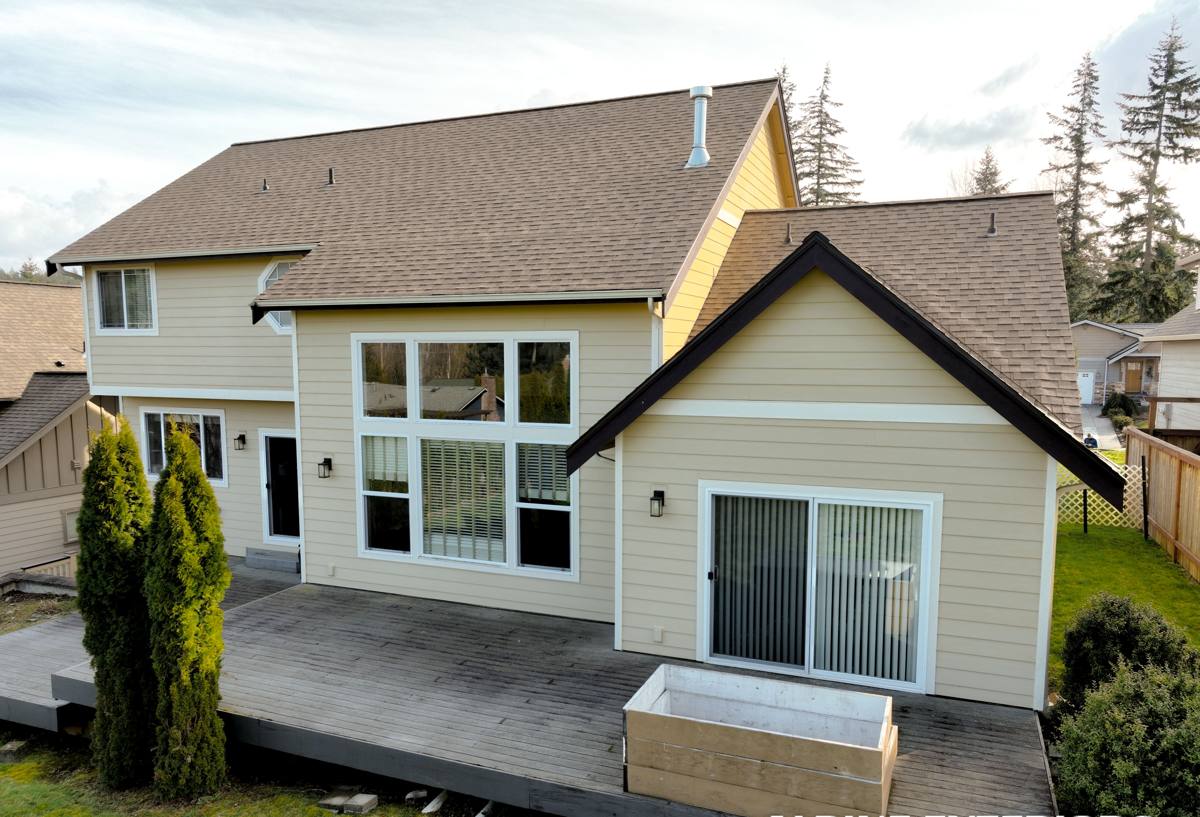
What Local Weather Actually Does to a Roof
It's worth being specific about the stresses a roof in this neighborhood faces, because they're not the same everywhere in Florida.
Hurricane-Force Wind
Manatee County sees tropical storm and hurricane activity most years, and wind is what causes the majority of roof failures — not the rain. Wind gets under loose edges, ridge caps, and poorly fastened panels, and once it has a foothold it peels a roof rather than just battering it. A roof's wind performance depends almost entirely on fastening pattern, edge detail, and how the panels or shingles are secured to the deck — not just the material itself.
Year-Round UV Exposure
Florida sun is intense and consistent, twelve months a year. UV breaks down organic roofing materials, dries out sealants, and fades finishes faster than in most of the country. Roofing products and coatings that aren't rated for this kind of sustained exposure age visibly within a few years.
Wind-Driven Rain
During tropical weather, rain doesn't fall straight down — it's driven sideways and even upward under eaves and around penetrations. A roof that sheds a normal thunderstorm fine can still leak in a wind-driven event if the underlayment, flashing, and seams weren't detailed for that scenario.
Salt Air
Being near Sarasota Bay means airborne salt settles on every exterior surface, including the roof. Salt accelerates corrosion on unprotected metal, fasteners, and flashing, and it degrades cheap coatings faster than inland sun alone would. This is the single biggest reason material selection and fastener quality matter more here than a few miles inland.
Why Metal Holds Up Well Here — When It's Done Right
Metal roofing isn't automatically the right answer for every home, but for Whitfield Estates it has real advantages tied directly to the climate factors above:
- High wind-uplift resistance when installed with the correct fastening pattern and clip spacing
- No granules or organic material to erode under constant UV
- Non-combustible and doesn't absorb water the way some roofing substrates can
- Reflects heat rather than absorbing it, which helps with attic temperatures in Florida summers
- Long service life that, done correctly, outlasts multiple asphalt shingle replacement cycles
The caveat is real: metal roofing is far less forgiving of a sloppy install than shingles are. A shingle roof with a minor installation flaw often just ages a little faster. A metal roof with the wrong fastener, a rushed seam, or mismatched metals can develop leaks or corrosion at that exact point — sometimes years before the rest of the roof shows wear.
Panel Types We Work With
Not all metal roofing is the same product wearing different colors. The type of panel changes cost, appearance, and how the roof performs over time near the coast.
| Panel Type | How It's Attached | Best For | Coastal Notes |
|---|---|---|---|
| Standing Seam | Concealed clips, no exposed fasteners on the field of the panel | Homes wanting the longest service life and cleanest look | Best resistance to wind uplift and fastener corrosion since screws aren't exposed to weather |
| Exposed Fastener Panel | Screws driven through the panel face into the deck or purlins | Budget-conscious projects, outbuildings, some roof styles | Fasteners and washers are the weak point; require periodic inspection and eventual replacement |
| Stone-Coated Steel | Interlocking panels resembling tile or shingle profiles | Homeowners wanting a traditional look with metal performance | Coating protects the steel from salt exposure but must remain intact at cut edges |
For most Whitfield Estates homes, we steer conversations toward standing seam or a quality stone-coated system because concealed or protected fasteners simply hold up better against salt air over the long run. Exposed-fastener panels aren't wrong for every application, but we're upfront that they carry a higher maintenance burden this close to the water.
What a Correct Installation Actually Involves
Deck Inspection and Prep
Metal goes over a deck that has to be sound. We check for soft or water-damaged sheathing before anything goes down — installing new roofing over a compromised deck just hides a problem instead of fixing it.
Underlayment
A high-temperature, self-adhering underlayment matters more under metal than under shingles, since metal panels can run hotter in direct sun. In wind-driven rain zones like this one, underlayment is the backup layer that keeps a home dry if wind ever forces water past the panel seams.
Fastening and Clip Spacing
This is where wind rating actually comes from. Manufacturer fastening schedules specify clip or screw spacing based on wind zone and panel profile — cutting corners here is invisible from the ground but is exactly what fails first in a storm.
Flashing and Penetrations
Valleys, chimneys, vent pipes, and wall transitions are where the majority of roof leaks originate, metal or otherwise. Correct flashing detail, not the panel itself, is usually what determines whether a roof stays dry through a wind-driven storm.
Ventilation
Proper ridge and soffit ventilation keeps attic heat and moisture from building up under the metal, which protects both the roofing system and the insulation and framing below it.
Wind Ratings, Permitting, and Local Code
Manatee County follows the Florida Building Code's high-velocity and wind-borne debris requirements, and any roofing project here requires a permit and inspection. Products used have to carry a valid product approval for the applicable wind zone, and the fastening pattern used on your home has to match what that approval requires — not just what the panel manufacturer prints in a general brochure. We pull permits and schedule inspections as part of the job, not as an afterthought.
What Drives Cost
Metal roofing costs more upfront than asphalt shingles, and the range on any given home depends on several factors:
| Cost Factor | Why It Matters |
|---|---|
| Panel type | Standing seam typically costs more per square than exposed-fastener or stone-coated panels |
| Roof complexity | Multiple valleys, dormers, and penetrations add labor and flashing material |
| Tear-off vs. overlay | Removing an old roof adds cost but is usually the right call for a metal upgrade |
| Deck condition | Any rotted or soft sheathing found during tear-off needs replacement before install |
| Roof pitch and access | Steeper or harder-to-access roofs take longer and require more safety equipment |
We give a firm, itemized number after an in-person inspection — not a phone estimate — because the factors above genuinely vary house to house even within the same neighborhood.
Maintenance in a Salt-Air Environment
Metal roofing is low-maintenance, not no-maintenance, especially this close to the bay. A simple annual check goes a long way:
- Rinse off salt film and debris buildup, especially after storm season
- Check exposed fasteners (if your panel type has them) for loosening or corrosion at the washer
- Clear gutters and valleys of leaves and debris from mature tree canopy
- Look at sealant around penetrations for cracking or shrinkage
- Have a professional inspection after any major wind event
Our Process
We keep the process straightforward: an in-person roof and attic inspection, a written proposal that spells out panel type, underlayment, and fastening approach, permitting handled on our end, the installation itself, and a final walkthrough before we consider the job done. We don't push a panel type or upsell a system that doesn't fit your roof or your budget — we tell you what we'd install on our own house given the same wind zone and salt exposure.
Why Local Experience in Whitfield Estates Matters
A crew that regularly works this specific area already knows the practical realities of the neighborhood — the tree cover that shades some roofs and drops debris on others, the proximity to the water that accelerates corrosion, and the wind exposure that comes with being this close to Sarasota Bay. That familiarity shows up in small decisions: which fastener grade we default to, how we detail flashing around older chimney and vent configurations common on homes of this vintage, and how we sequence a tear-off around Florida's afternoon storm patterns so your home isn't left exposed. It's the difference between a roof that's technically installed and one that's installed for where it actually sits.
If you're weighing a metal roof for your Whitfield Estates home, we're happy to take a look and walk you through what your specific roof needs — no pressure, no obligation. Use the form below to request a free estimate.