 Bradenton Siding
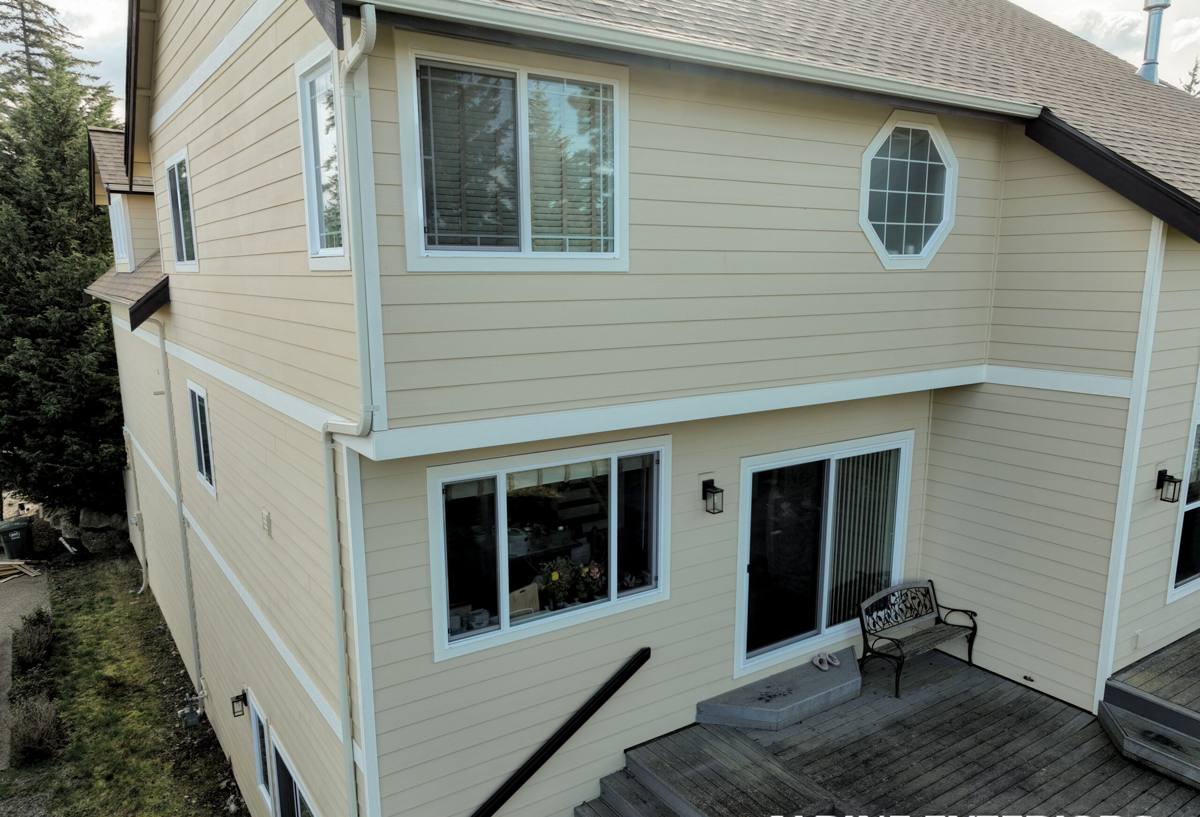
 Decking in Mill Creek Has to Handle More Than a Backyard Barbecue
A deck in Mill Creek isn't just an outdoor living space — it's a structure that sits exposed to whatever Manatee County's weather sends its way for the rest of its life. That means hurricane-force wind gusts during storm season, intense sun nearly every day of the year, wind-driven rain that finds its way into gaps a calm-weather install would never catch, and salt-laden air drifting in off the Gulf that goes to work on any hardware that isn't rated for it. A deck built for a mild inland climate and simply installed here will show its age fast. One built with this climate in mind from the first measurement holds up very differently.
This page is about composite decking specifically for homes in Mill Creek — what the local conditions demand from the materials and the installation, what a correct job actually looks like, and why working with a crew that already builds decks in this area, rather than one learning the region on your project, makes a real difference.
What Bradenton's Climate Actually Does to an Outdoor Deck
Hurricane-Force Wind
Wind doesn't just push on a deck's surface — it gets underneath railings, ledger connections, and stair stringers and tries to lift and rack the whole structure. Framing, fastener spacing, and railing attachment all need to be sized for wind loads, not just for looks. This is where a lot of decks fail early, not because the boards themselves gave out, but because the structure underneath them was never built to resist uplift and lateral load in the first place.
Year-Round UV
Florida doesn't give a deck an off-season. Boards, fasteners, and railing finishes are under direct, intense sun essentially every day, which accelerates fading, chalking, and heat buildup far faster than in most of the country. Materials and finishes chosen for a milder climate simply don't hold their color or their surface integrity here as long.
Wind-Driven Rain
When rain comes in sideways during a storm, it finds every unsealed gap — especially where a deck ties into the house at the ledger board. If that connection isn't properly flashed, water gets behind siding and into framing, and you often don't see the damage until it's already spread. Wind-driven rain is a different problem from ordinary rainfall, and it needs to be designed for specifically, not assumed away.
Salt Air
Even at a distance from the coast, salt-laden air moving through the area speeds up corrosion on anything metal — fasteners, brackets, railing hardware. Standard-grade hardware that would last for years elsewhere can start showing rust and weakening in a fraction of that time here.
Composite Decking vs. the Alternatives
Composite decking earns its place in this climate because it doesn't rot, doesn't need refinishing, and doesn't swell and shrink the way wood does when it cycles through humidity, heat, and heavy rain. That said, not all composite is built the same, and it's worth understanding how it actually compares to the alternatives homeowners in Mill Creek typically consider.
| Material | UV / Fade Resistance | Moisture Behavior | Maintenance | Typical Lifespan |
|---|---|---|---|---|
| Pressure-treated wood | Fades and grays quickly without upkeep | Absorbs water; prone to warping, splintering, cupping | Annual sealing/staining recommended | 10-15 years with upkeep |
| Uncapped composite | Moderate; can fade and stain over time | Resists rot but can absorb surface moisture | Occasional cleaning | 15-20 years |
| Capped composite | Strong fade and stain resistance | Sealed outer shell resists moisture penetration | Routine cleaning only | 25+ years, manufacturer-backed |
For a Mill Creek home, capped composite is almost always the better long-term investment. The capped outer layer is what stands between the board and this climate's UV load and humidity — an uncapped board or a wood board is relying on the core material itself to fight that battle every day.
What a Correct Composite Deck Installation Actually Involves
The boards get the attention, but most of what determines whether a deck survives a decade of Florida weather is underneath and around them.
- Ledger flashing: The connection where the deck meets the house needs proper flashing and a water-resistant membrane, not just fasteners and caulk, to keep wind-driven rain out of the wall assembly.
- Joist spacing rated for wind and span: Composite boards have manufacturer span tables based on joist spacing and support the framing has to match, not just what's convenient to frame.
- Corrosion-resistant fasteners: Stainless steel or coated fasteners rated for coastal exposure, used throughout — not just at visible connections.
- Joist tape or protective barrier: A moisture barrier on top of the framing keeps water from sitting against the substructure long-term, which matters even with treated lumber underneath.
- Proper drainage and slope: The deck surface needs a slight pitch away from the house so water sheds instead of pooling, especially important given how much rain this area gets in a season.
- Code-compliant railings and stairs: Railing height, baluster spacing, and stair geometry all need to meet Florida Building Code, and in a wind-exposed area, railing attachment strength matters as much as its appearance.
Skip any one of these and the boards on top can be flawless while the deck still fails from underneath.
Choosing the Right Board for a Mill Creek Home
Within composite decking, a few choices matter more here than they would in a milder climate. Capped composite is the standard we recommend for Manatee County homes because the cap is doing real work against UV and moisture, not just adding a warranty line. Color is worth thinking through too — darker boards look great but run noticeably hotter underfoot in direct summer sun, which matters if the deck gets used barefoot around a pool. Lighter and mid-tone colors stay more comfortable through the hottest part of the year without sacrificing the low-maintenance benefits of composite.
We also look at the manufacturer's warranty structure closely — specifically what it actually covers for fade, staining, and structural integrity, and whether it accounts for coastal or high-UV exposure. A warranty written for a mild climate doesn't tell you much about how a board performs in Bradenton's sun.
Our Process, Start to Finish
- On-site visit and assessment: We look at the existing structure (if replacing a deck), sun exposure, drainage, and how the space connects to the house before recommending anything.
- Design and material selection: We walk through board options, color, railing style, and layout based on how the space will actually be used.
- Permitting and engineering: Manatee County requires permits for new deck construction, and larger or elevated decks typically need engineered plans addressing wind load. We handle this rather than leaving it to the homeowner to sort out.
- Installation: Framing first, then flashing and moisture protection, then decking, railing, and any finishing trim — in that order, not skipped or compressed to save time.
- Final walkthrough and inspection: We confirm the work passes required inspections and walk the finished deck with the homeowner before calling the job done.
Maintenance That Actually Matters in This Climate
Part of composite decking's appeal is how little upkeep it needs compared to wood, but "low-maintenance" doesn't mean "no maintenance" here. A periodic wash-down clears salt residue and airborne grime before it builds up on the surface. Shaded or low-airflow areas of a deck can develop mold or mildew faster than open sections given the area's humidity, so those spots deserve a closer look during cleaning. After hurricane season, it's worth checking railing connections and fasteners for any looseness — wind events can work at connections over time even when nothing looks obviously wrong. None of this is a heavy lift, but it's the difference between a deck that looks new for decades and one that just gets by.
Why Hire a Crew That Already Works in Mill Creek
Building decks in this area day in and day out means knowing Manatee County's permitting process and inspection expectations without guessing, understanding what wind exposure and drainage actually require here rather than applying generic specs, and having working relationships with suppliers who carry the coastal-rated hardware and capped composite lines worth using. It also means being straightforward about timelines during storm season and material lead times, instead of promises that don't hold up once weather or supply gets in the way. A deck is a long-term structure attached to your home — it's worth having it built by people who understand exactly what this climate will ask of it.
Questions Worth Asking Before You Sign a Decking Contract
- Does the quote include permitting and any required engineering, or is that a separate cost?
- What fastener material is being used, and is it rated for coastal/salt-air exposure?
- Is the composite board capped or uncapped, and what does the manufacturer warranty actually cover?
- How is the ledger connection to the house being flashed and waterproofed?
- What joist spacing is planned, and does it match the board manufacturer's span rating?
- Who handles the final inspection, and is that included in the project timeline?
If a contractor can't answer these clearly before you sign anything, that's worth noting before the framing ever goes in the ground.
If you're weighing composite decking for a Mill Creek property, we're happy to walk the site, talk through board and layout options, and put together a straightforward, no-pressure estimate — just fill out the form below to get started.