 Bradenton Siding
 Mill Creek's Climate Is Hard on Decks
A deck in Mill Creek doesn't age the way a deck in a drier, cooler part of the country does. Bradenton sits in a stretch of Manatee County that sees intense, near year-round UV exposure, long stretches of humidity, sudden wind-driven rain, and the occasional hurricane-force wind event that puts real lateral and uplift load on anything built outdoors. Add in the salt air that drifts inland from the Gulf coast, and you've got a combination that goes after wood fibers, metal fasteners, and finishes all at once. None of this means a deck can't last — it means it has to be built and repaired with that environment in mind, not treated like it's in a mild climate.
Most deck problems we see in this area aren't caused by one dramatic event. They're the slow result of moisture cycling in and out of wood, UV breaking down surface fibers and finishes, and fasteners corroding quietly under the decking where nobody looks until a board feels soft or a rail wiggles. By the time it's visible, the underlying damage is usually further along than it looks from the top.
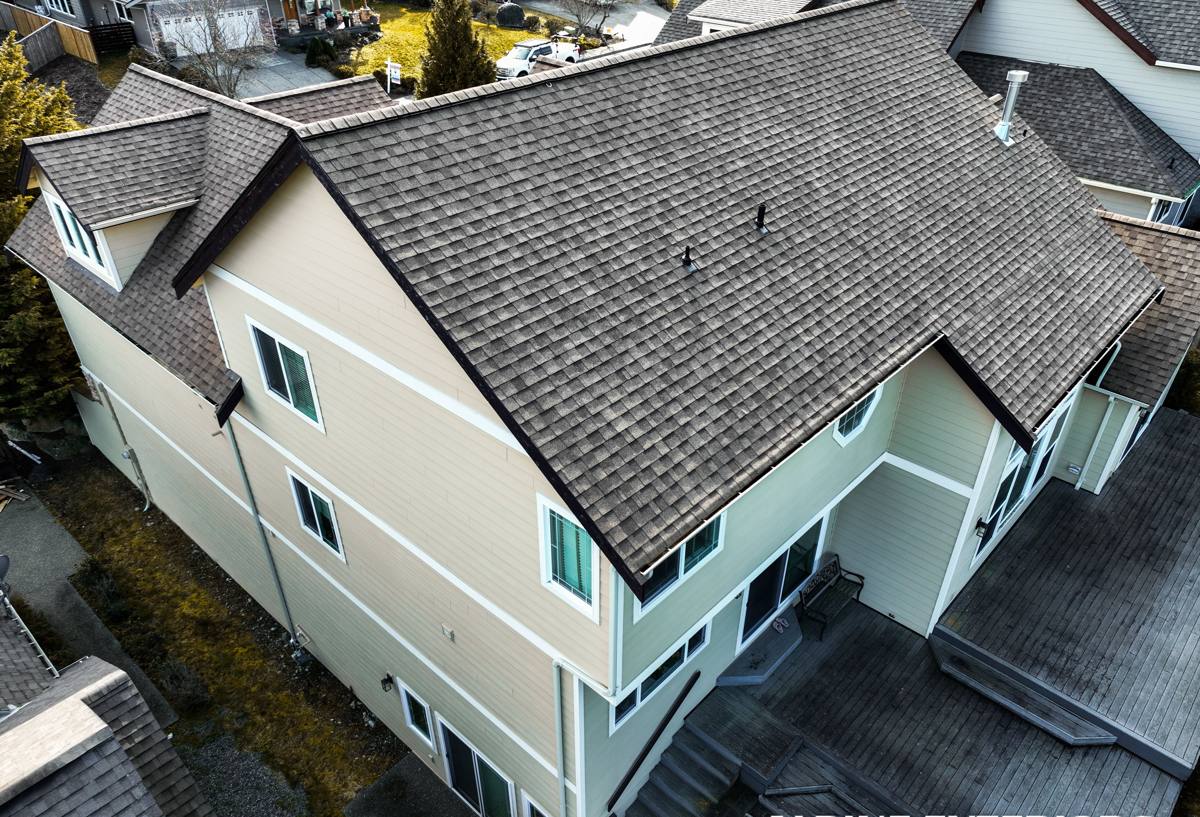
Signs a Mill Creek Deck Needs Repair, Not Just a Coat of Sealant
Surface-Level Warning Signs
Some issues are cosmetic and some are early warnings of something structural underneath. Graying, cupping, or splintering boards are often just weathering and can sometimes be addressed with cleaning, sanding, and refinishing. But certain signs mean it's time for an actual repair evaluation rather than a surface fix.
- Boards that feel spongy, springy, or noticeably softer underfoot than the rest of the deck
- Visible gaps opening up between the deck and the house where the ledger board attaches
- Rust streaks bleeding out around screws, bolts, or joist hangers
- Railings or posts that move or flex when you lean on them
- Stairs that feel bouncy or uneven, or treads pulling away from stringers
- Standing water on the deck surface after rain instead of draining off
- Visible rot, dark staining, or fungal growth on the underside of the deck
Structural Warning Signs
The ones on that list involving the ledger board, joist hangers, or post connections deserve the most attention. Those are the connections that keep the deck attached to the house and standing upright under load — and in a market with hurricane-force wind events, a compromised connection is a safety issue, not just a maintenance item.
What a Correct Deck Repair Actually Involves
Framing and Structural Members
A proper repair starts underneath the decking, not on top of it. We check joists, beams, and support posts for rot, insect damage, and corrosion at every connection point. Replacing a few visibly bad deck boards while leaving compromised framing underneath just hides the problem — it doesn't fix it.
The Ledger Board Connection
The ledger board — the piece that bolts the deck to the house — is one of the most common failure points on any deck, and it's especially important to get right in a climate where wind-driven rain regularly gets forced against the house. Poor flashing at this connection lets water track behind the ledger and rot both the ledger and the rim joist it's attached to, often invisibly, for years. A correct repair means checking or replacing the flashing, not just the fasteners.
Fasteners and Hardware
Salt air corrodes standard hardware faster than most homeowners expect. Deck screws, joist hangers, and bolts that would be perfectly fine well inland can start rusting within a few years near the coast. We use fasteners and connectors rated for coastal or treated-lumber exposure — stainless steel or hot-dip galvanized — so the hardware isn't the first thing to fail again.
Decking Boards and Railings
Once the structure underneath is sound, we address the decking surface, railings, and stairs — replacing damaged boards, resecuring loose railings, and making sure everything meets proper spacing and attachment for both safety and code.
Repair or Replace? How We Make That Call
Not every deck problem calls for a full rebuild, and not every deck can be reasonably patched. We look at the age of the deck, the extent of structural damage, and how the original deck was built before recommending either path.
| Factor | Repair Usually Makes Sense | Replacement Usually Makes Sense |
|---|---|---|
| Structural framing | Isolated rot or damage at a few joists or posts | Widespread rot across most framing members |
| Ledger connection | Flashing failure caught early, rim joist still sound | Rim joist rotted or ledger pulling away from the house |
| Decking surface | Scattered bad boards on an otherwise sound structure | Most boards cupped, splintering, or soft |
| Age of original build | Deck is relatively young and well-built | Deck is old, undersized, or built to outdated standards |
| Code compliance | Structure meets current spacing and connection standards | Original build predates current wind-load or railing requirements |
We'll walk you through what we find and why we're recommending one path over the other — there's no reason to replace a deck that only needs targeted structural work, and no reason to keep patching one that's past that point.
Materials We Use for Mill Creek Deck Repairs
Material choice matters more here than in a lot of climates. We typically repair with pressure-treated lumber for framing, since it's designed to resist rot and insect damage and matches most existing deck structures. For decking surfaces, homeowners usually choose between wood and composite, and each comes with real trade-offs worth understanding before you decide.
- Pressure-treated wood: Lower upfront cost, easy to match to existing framing, but needs regular sealing or staining to hold up against UV and moisture cycling — skip that maintenance in this climate and it shows fast.
- Composite decking: Higher upfront cost, little to no staining or sealing required, but it can run hotter underfoot in direct Florida sun and isn't repairable board-by-board the same way wood is if a section gets damaged.
- Hardware and connectors: Regardless of decking material, we standardize on corrosion-resistant fasteners given the salt air exposure common to this part of Manatee County.
We'll talk through which option fits your deck, your maintenance appetite, and your budget honestly — neither material is automatically "better," they just behave differently over time.
Our Deck Repair Process
- On-site inspection: We get underneath the deck, not just on top of it, checking framing, the ledger connection, posts, footings, and hardware.
- Written assessment: You get a clear explanation of what's failing, why, and what it will take to fix it correctly — no guessing.
- Repair plan and quote: We scope the actual work needed, whether that's a few joists and boards or a more involved structural repair.
- Permitting, if required: For structural work, we handle the permit process with Manatee County so the repair is inspected and documented properly.
- The repair itself: Framing and connections are addressed first, then decking, railings, and stairs.
- Final walkthrough: We check the completed work with you before we consider the job done.
Permits and Wind-Load Considerations in Manatee County
Structural deck repair in Manatee County — replacing ledger boards, footings, posts, or load-bearing framing — typically requires a permit, and for good reason. Permitted work gets inspected, which means someone other than the contractor is verifying that the connections can actually handle the wind loads this area sees. Cosmetic work like replacing a handful of decking boards or refinishing a surface generally doesn't trigger the same requirement, but the structural side does. We handle that process as part of the job rather than leaving it for the homeowner to sort out.
Why Hire a Crew That Already Works in Mill Creek
Deck repair looks straightforward from the outside, but doing it right in this specific environment takes more than general carpentry skill. A crew that regularly works Bradenton and the surrounding Manatee County area already knows how salt air, humidity, and storm exposure typically show up in deck framing and hardware — what to check first, where rot tends to start, and which fixes hold up and which ones just look fine for a season before failing again. That local familiarity means fewer surprises, a more accurate first inspection, and repairs built for the conditions your deck actually faces rather than a generic national playbook.
Caring for Your Deck After Repair
A good repair buys you time, but a little upkeep buys you a lot more of it. These are the habits that make the biggest difference in this climate:
- Reseal or restain wood decking on a regular schedule rather than waiting until it visibly grays
- Keep gutters and downspouts directing water away from the deck and ledger area
- Sweep debris out of gaps between boards so moisture doesn't sit trapped against the wood
- Check railings and stair connections for movement a couple of times a year
- After major storms, take a quick look underneath for new staining, loose hardware, or shifted posts
Catching small issues early is almost always cheaper and easier than waiting for them to become structural.
If your deck in Mill Creek has soft spots, loose railings, rust stains, or you just want an honest second opinion before a storm season, we're glad to take a look. The form below gets you a free, no-pressure estimate from a crew that already works this area.