 Bradenton Siding
 New-Construction Windows for Rosedale Homes, Additions, and Rebuilds
Rosedale is a golf course community on the north side of Bradenton, and like most established communities in Manatee County, it's not frozen in time. Homeowners here add lanais, bump out a great room, convert a garage, or take a home down to the studs during a major remodel. Any time exterior wall framing and sheathing are opened up, exposed, or newly built, the windows that go into those openings are "new-construction" windows — installed with a nailing fin directly into the framing, not slipped into an existing frame like a standard replacement.
This page is specifically about that install method and what it takes to get it right in this part of Florida — not a general window buying guide. If you're doing a straightforward swap in an existing opening with the frame intact, that's a replacement job with different requirements. If you're framing new openings, this is the page you want.
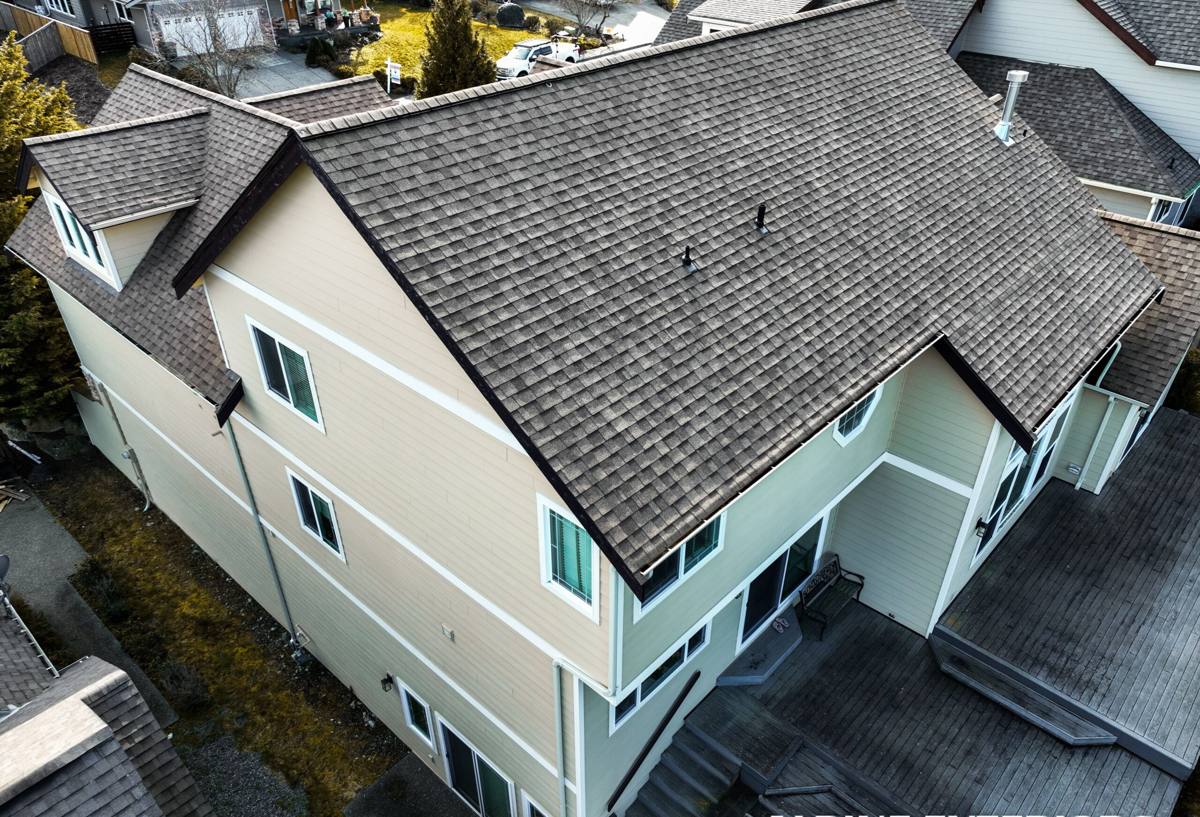
What Manatee County's Climate Actually Demands From This Install
Bradenton sits close enough to the Gulf that every exterior product on a home has to deal with the same handful of stresses, and windows are no exception.
Wind Load
Manatee County falls under Florida Building Code wind provisions that require windows to carry a specific design pressure rating for the home's location and height — this isn't optional or a coastal-only concern, it applies inland too. A new-construction opening gives us the chance to build the rough opening and attachment correctly from scratch, which matters more for wind performance than the window itself.
UV Exposure
Year-round Florida sun is hard on vinyl frames, seals, and glazing compounds. Cheaper vinyl can chalk, warp, or go brittle years before it should. Glass packages and frame materials both need to be rated for sustained UV, not just installed once and forgotten.
Wind-Driven Rain
Bradenton's storms don't always come straight down — wind pushes rain sideways and up under trim, flashing, and unsealed gaps. A new-construction install lets us flash the opening properly in sequence with the wall's weather-resistive barrier, which is the single biggest factor in whether a window leaks five years down the road.
Salt Air
Even away from the immediate waterfront, Gulf Coast air carries enough salt to accelerate corrosion on fasteners, hardware, and lower-grade aluminum components. We factor that into what fasteners and hardware get specified, not just the window frame material.
New-Construction vs. Replacement: Why the Distinction Matters
We get asked often why we quote "new-construction" windows differently than a standard replacement. The short answer is that they're two different jobs with two different risk profiles.
| Factor | New-Construction Install | Replacement (Pocket) Install |
|---|---|---|
| When it applies | New framing, additions, full remodels down to studs | Existing frame stays in place, intact |
| Attachment method | Nailing fin fastened to sheathing/framing | Fastened through existing frame or with clips |
| Weatherproofing | Full flashing integrated with house wrap/WRB | Relies on existing flashing plus sealant |
| Best for | Correcting old flashing mistakes, matching new framing | Faster jobs where the existing opening is sound |
| Typical cost driver | Labor for flashing/sequencing, trim, stucco or siding tie-in | Window unit cost, existing frame condition |
Neither method is "better" in the abstract — they answer different situations. Where they get mixed up is when a contractor treats a new opening like a replacement to save time, skipping proper flashing because it's faster. That's where leaks and rot start.
What a Correct New-Construction Installation Actually Involves
Rough Opening Prep
The opening has to be square, plumb, and sized correctly before a window ever shows up on site. We check this against the manufacturer's rough opening spec rather than eyeballing it — undersized or racked openings cause operational problems (windows that stick or won't seal) that show up months later.
Flashing Sequence
Flashing has to shed water downward and outward, always in the right order relative to the house wrap or weather-resistive barrier: sill pan first, then jamb flashing, then head flashing lapped over the top so water can never get behind a layer beneath it. This sequencing is where most water intrusion problems in new construction actually originate — not the window itself.
Fastening and Shimming
The nailing fin gets fastened per the manufacturer's schedule, and the unit is shimmed at the right points so the frame doesn't bow under fastener pressure, which can bind the sash or crack glass over time.
Sealant and Backer Rod
Exterior sealant is a backup to good flashing, not a replacement for it. We use backer rod where gaps call for it and a sealant rated for exterior UV and movement, not standard caulk that will crack and shrink within a season or two.
Choosing the Right Window for a Rosedale Build
Frame Material
Vinyl, aluminum, and fiberglass all show up in this market. Vinyl is the most common for cost reasons and performs fine when it's a quality UV-stabilized product; aluminum holds up structurally but conducts heat more; fiberglass costs more upfront but resists warping and expansion/contraction better over time. We'll walk through the honest trade-offs for your specific project rather than pushing one material across the board.
Glass and Impact Package
You generally have two paths to meet Florida's windborne debris requirements where they apply: laminated impact-resistant glass, or standard glass paired with code-approved shutters or panels. Impact glass costs more per unit but requires no separate storm prep before a hurricane; shutter systems cost less upfront but require action (and storage) every storm season.
Performance Ratings
Look for NFRC labels on U-factor and solar heat gain coefficient (SHGC) — for Bradenton's climate, a lower SHGC keeps more afternoon heat out, which matters more here than a low U-factor alone.
Our Process for New-Construction Window Projects
- Site visit and measure — we review the framed openings (or the plans, if not yet framed) and talk through what the space and climate call for.
- Product selection — frame material, glass package, and impact strategy based on your budget and how the opening faces prevailing wind and sun.
- Permitting — Manatee County requires a permit for new window openings and structural changes; we handle the paperwork and product approval documentation.
- Installation — opening prep, flashing, setting and fastening the units, sealing, and trim tie-in to siding or stucco.
- Inspection — county inspection sign-off, plus our own final walk-through with you before we call the job done.
Permitting and Code Considerations in Manatee County
New window openings and structural additions require a building permit, and the windows themselves need Florida product approval (or Miami-Dade NOA, which is accepted statewide) documenting their wind pressure and impact rating. If Rosedale's HOA or architectural review committee has requirements on window style, color, or grid pattern for your section of the community, that's worth confirming with them before you finalize a product — we're glad to work from whatever guidelines your HOA provides, but we don't have a blanket answer since those requirements vary by community and can change.
What Affects Your Cost
Every new-construction window job is priced around the same core variables. As a broad range, most homeowners doing a handful of new-construction windows in this area land somewhere between roughly $500 and $1,500 per window installed, with additions and full-wall remodels running higher once flashing, trim, and siding or stucco tie-in are factored in. Treat that as a starting frame of reference, not a quote — the specifics below are what actually move the number.
- Number and size of openings
- Frame material (vinyl, aluminum, fiberglass)
- Impact glass vs. standard glass plus shutters
- Complexity of the flashing and tie-in to existing siding or stucco
- Whether framing is new or being modified from an existing wall
- Permit and inspection requirements for your specific scope
- Trim and interior finish work around the new opening
Why Hire a Crew That Already Works in Rosedale
New-construction window work in an established community like Rosedale isn't the same as installing on a bare lot. There's existing siding or stucco to tie flashing into cleanly, existing landscaping and hardscape to protect, and in many cases an HOA process to coordinate with before work starts. A crew that's already done jobs in the neighborhood knows how to sequence the work so it doesn't turn into a bigger tie-in problem than the window itself, and knows what questions to ask upfront so there are no surprises mid-project. That local familiarity is worth more than it sounds like on paper — it's the difference between a clean, quiet job and one with change orders.
If you're planning an addition, a remodel, or a new build in or around Rosedale and want new-construction windows done right the first time, we're happy to take a look and give you a straightforward, no-pressure estimate. Use the form below to get started.