 Bradenton Siding
 Why Parrish Roofs Wear Out Faster Than You'd Expect
Parrish sits inland from the Gulf but still gets the full weather package that comes with living in Manatee County: tropical storm and hurricane wind events, months of intense summer sun, and the humidity and salt-laden air that drift in off Tampa Bay and the Gulf of Mexico. None of that is dramatic on any single day. It's the accumulation over years that wears a roof down faster here than it would in a drier, milder climate — which is why so many of the re-roofing calls we get in this area come from homeowners surprised their roof didn't last as long as they expected.
Wind and storm exposure
Every named storm that pushes through West Central Florida sends wind-driven rain at roofs from angles a calm-weather roof was never really tested against. Loose shingle tabs, marginal flashing, and nail patterns that were installed to minimum code — not to actual Florida wind conditions — are exactly the weak points that fail first. A roof that looks fine in a photo can still have dozens of poorly seated fasteners underneath.
UV and heat
Florida sun is harder on roofing materials than most manufacturers' warranties assume. UV exposure breaks down asphalt shingle oils over time, making them brittle and prone to granule loss, while summer attic temperatures accelerate that aging from underneath. A roof in Parrish is working under tougher conditions year-round than the same product installed in a northern climate.
Humidity and salt air
Even away from the immediate coastline, Manatee County's humid, salt-tinged air corrodes exposed metal fasteners, flashing, and vents faster than dry-climate installations. Cheap or mismatched metal components are often the first thing to fail on an otherwise sound roof, leading to leaks that have nothing to do with the shingles themselves.
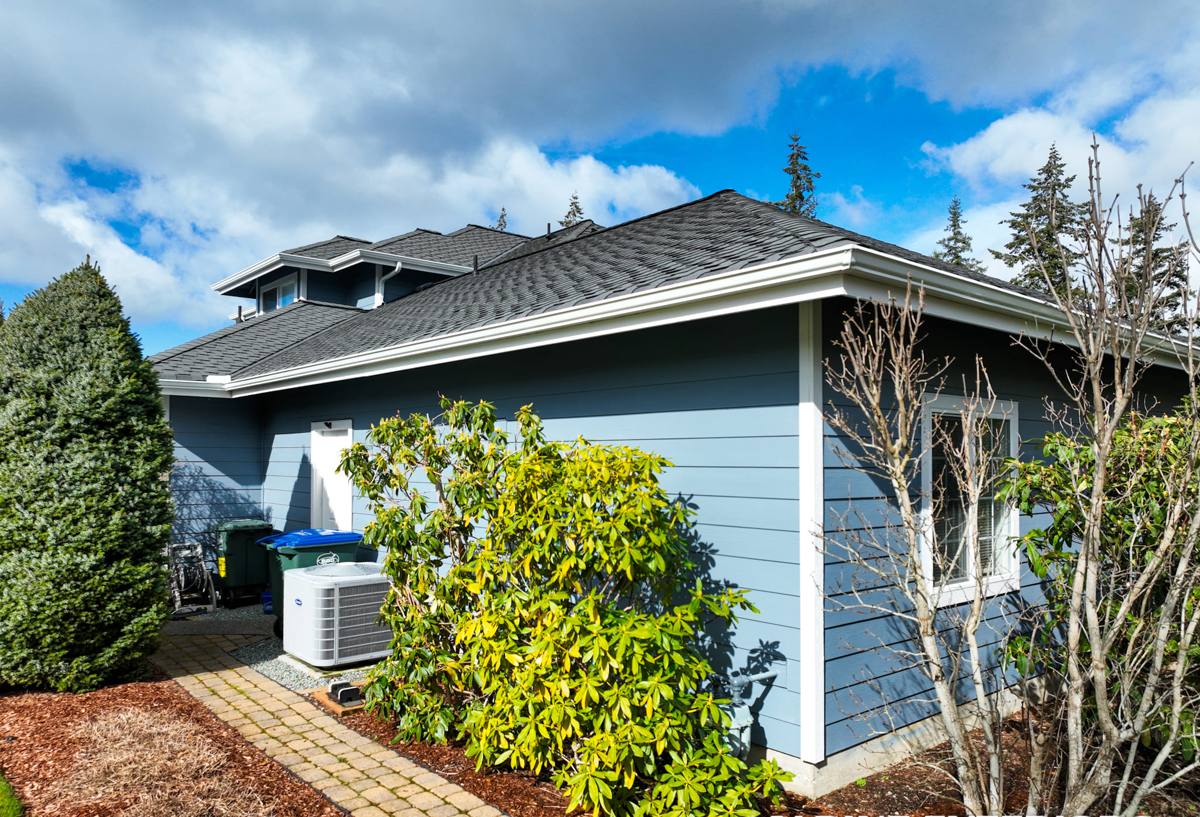
Signs a Parrish Home Needs a New Roof, Not Another Repair
Not every roof problem calls for full replacement, but there's a point where patching becomes a waste of money. A straightforward inspection can usually tell you which side of that line you're on.
- Shingles that are cupping, curling at the edges, or missing granules in patches (not just a few spots)
- Roof age of 18-20+ years for asphalt shingle, especially if it's never been re-roofed
- Soft spots or noticeable sagging when walked or viewed from the ground
- Daylight visible through the attic decking, or recurring stains on interior ceilings
- Multiple recent repairs to different areas rather than one isolated issue
- Visible storm damage — creased shingles, exposed nail heads, lifted ridge caps
- Your insurance carrier is requiring a roof age or condition update to keep or renew coverage
Roofing Materials That Actually Hold Up Here
Material choice matters more in this climate than in most. We install what performs under Florida wind and sun, not just what's cheapest to buy.
Architectural asphalt shingles
The most common choice for Parrish homes, and for good reason — modern architectural shingles rated for high wind (commonly 130 mph or better, sealed with the correct nailing pattern) hold up well against Florida storms when installed correctly, and they're the most budget-friendly option upfront.
Metal roofing
Standing seam and metal panel systems shed wind-driven rain extremely well and typically outlast asphalt by decades. The tradeoff is a higher upfront cost, though many homeowners recover part of that through lower long-term maintenance and, in some cases, insurance premium credits.
Tile roofing
Common on newer Parrish construction and well suited to the look of many area subdivisions. Tile performs well in wind when properly fastened, but it depends heavily on correct installation — the underlayment beneath the tile does most of the actual waterproofing work, so a tile roof is only as good as what's underneath it.
| Material | Typical Lifespan | Wind Performance | Upfront Cost |
|---|---|---|---|
| Architectural asphalt shingle | 20-25 years | Good, when properly nailed and sealed | Lowest |
| Standing seam metal | 40-50+ years | Excellent | Highest |
| Concrete or clay tile | 30-50 years | Good to excellent, dependent on underlayment | High |
Florida Building Code and Manatee County Permitting
Every re-roof in Manatee County requires a permit and inspection under the Florida Building Code, and the code's wind-resistance requirements are not optional extras — they're the baseline for how a roof in this part of the state is supposed to be built. That includes fastening schedules, underlayment type, and flashing details that go beyond what a homeowner would notice by looking at the finished shingles.
We pull the permit, schedule the required inspections, and build to code as a floor, not a ceiling. If a shortcut would save time but weaken the roof's actual wind performance, we don't take it.
Our New Roof Installation Process
A correct roof replacement is mostly about what happens before the new shingles or tile ever go down. Here's how we approach it.
- Inspection and estimate. We walk the roof, check the attic where accessible, and give you an honest assessment of whether you need a repair or a full replacement — with a written scope, not a vague number.
- Full tear-off. We remove the existing roofing material down to the deck. We don't install a new layer over an old one; it hides problems and shortens the life of the new roof.
- Deck inspection and repair. Rotten, delaminated, or storm-damaged decking gets replaced before anything new goes on top. This step is where hidden water damage from years of small leaks usually turns up.
- Underlayment and flashing. We install code-rated underlayment across the full deck, with reinforced protection at valleys, eaves, and roof penetrations — the areas most exposed to wind-driven rain. New flashing goes in at chimneys, walls, and vents rather than reusing old, corroded pieces.
- Material installation. Shingles, metal panels, or tile go down to the fastening pattern the product and Florida Building Code require for our wind zone — not a generic pattern used everywhere else in the country.
- Ridge, vents, and trim. Ridge vent or static vents, boots, and drip edge are installed or replaced to keep the attic properly ventilated and every penetration sealed.
- Final inspection and cleanup. We walk the finished roof with you, coordinate the county inspection, and do a full site and yard cleanup, including a magnetic sweep for nails.
What Affects the Cost of a New Roof
Two roofs the same size can cost noticeably different amounts depending on the details underneath. Rather than quote a flat number that doesn't hold up, here's what actually moves the price.
| Factor | Why It Matters |
|---|---|
| Roof size and pitch | Steeper roofs take longer to work safely and use more material per square foot of coverage |
| Number of layers to remove | Tearing off two or three old layers takes more labor and disposal than one |
| Decking condition | Rotten or damaged plywood found during tear-off requires replacement before installation continues |
| Material choice | Asphalt, metal, and tile carry very different material and labor costs |
| Roof complexity | Valleys, dormers, skylights, and multiple roof planes all add flashing and labor time |
| Access and site conditions | Tree cover, driveway access for dumpsters, and lot layout affect how efficiently a crew can work |
Insurance, Wind Mitigation, and Your New Roof
Florida's property insurance market has made roof condition and age a bigger factor in coverage than it used to be. Many carriers now require a 4-point inspection or set age limits on roofs before they'll write or renew a policy. A new roof, installed to current Florida Building Code wind standards, can also qualify you for a wind mitigation inspection — documentation that some insurers use to reduce premiums, since it verifies things like roof shape, deck attachment, and roof-to-wall connections. We build to the standard those inspections check for, and we can point you toward getting that inspection done once your new roof is in.
Why a Crew That Already Works in Parrish Makes a Difference
Parrish has grown quickly, with a mix of established homes and newer construction, and that mix creates real differences in what a roof needs — older decking that may need more attention, or newer subdivisions with architectural guidelines about roofing materials and colors. A crew that regularly works in this part of Manatee County already understands the county permitting process, knows what inspectors here look for, and isn't learning the local wind and weather realities on your project. That familiarity shows up in fewer surprises, fewer permit delays, and a roof that's built for the conditions it actually has to survive.
If your roof is aging, storm-damaged, or just due for an honest evaluation, we're happy to take a look. Request a free, no-pressure estimate using the form below and we'll walk you through exactly what your Parrish home needs.