 Bradenton Siding
 New Roof Installation Built for Village of the Arts
Village of the Arts sits close to downtown Bradenton, and like most of this stretch of Manatee County, it's a mix of older bungalow-style homes, converted cottages, and mid-century construction alongside newer infill. That mix matters when it comes to roofing. A lot of these homes were built or last re-roofed decades ago, under different code requirements, with materials that weren't necessarily chosen with today's storm intensity in mind. When it's time for a new roof here, the goal isn't just to put new shingles or panels on top of what's there — it's to bring the whole roofing system up to a standard that can actually stand up to what the Gulf Coast throws at it.
We install new roofs throughout this neighborhood and the surrounding areas of Bradenton, and we approach every job the same way: assess the deck, the ventilation, the flashing, and the drainage before we ever talk shingle color or panel profile. The material on top is only as good as what's underneath it.
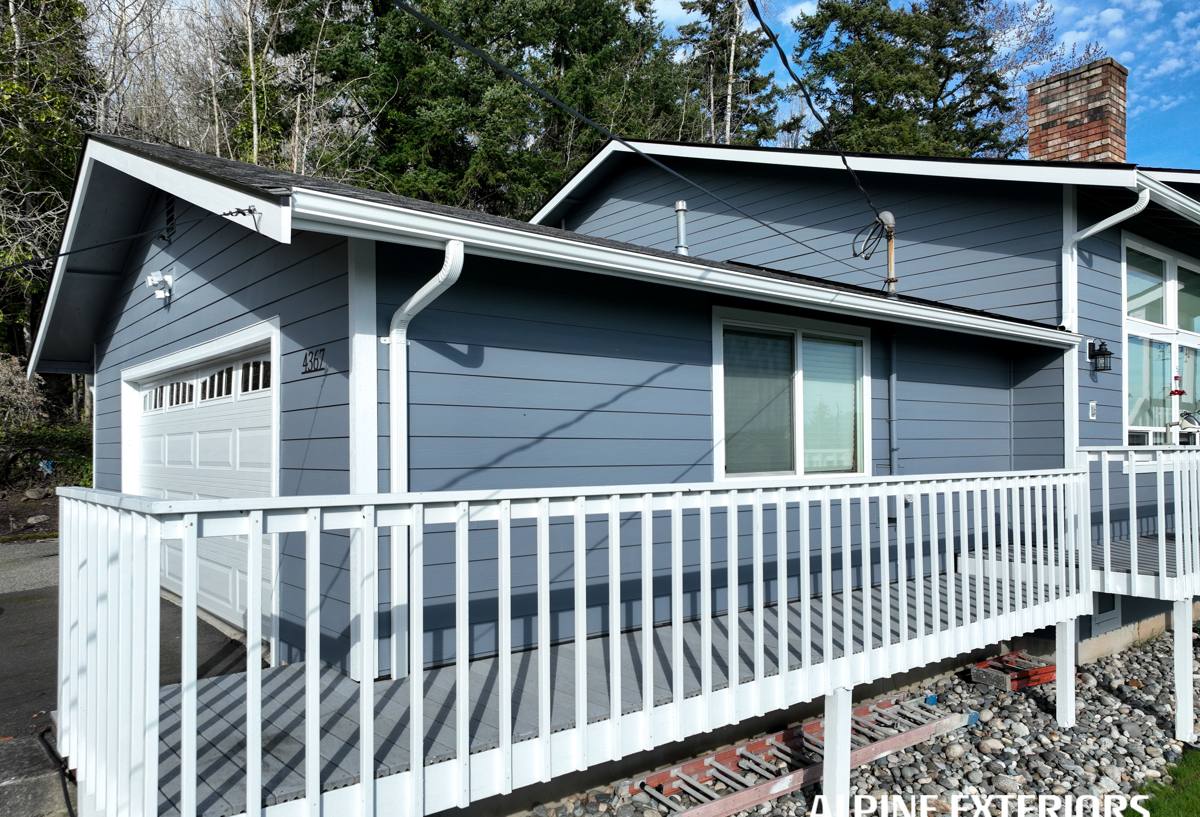
What Village of the Arts Homes Are Up Against
Manatee County roofs deal with a specific combination of stress that inland homes simply don't see. Understanding it is the first step to building a roof that lasts.
Hurricane-Force Wind
Wind uplift is the number one cause of roof failure in this area, not leaks from age alone. Roofs don't usually fail because the material wore out — they fail because fasteners pulled loose, edge flashing lifted, or a ridge cap wasn't secured to current wind-resistance standards. A new roof installation is your chance to correct all of that at once, rather than patching a weak point after a storm already found it.
Year-Round UV Exposure
Florida sun is relentless on roofing materials every single day of the year, not just in summer. UV breaks down asphalt oils in shingles, causes granule loss, and accelerates the aging of sealants and underlayments. Roofs here simply don't get the "off season" that roofs in cooler climates do to recover.
Wind-Driven Rain
It's not the volume of rain that causes problems most often — it's rain being driven sideways and upward under laps, flashing, and vents during a squall or tropical system. A roof that sheds water fine in a normal downpour can still leak badly in wind-driven rain if the underlayment and flashing details weren't installed with that scenario in mind.
Salt Air
Bradenton's proximity to the coast means salt-laden air moves through neighborhoods like Village of the Arts even without being right on the water. Salt accelerates corrosion on exposed metal fasteners, flashing, and vents. Materials and hardware that aren't rated for coastal exposure corrode faster here than the same products would inland.
What a Correct New Roof Installation Involves
A new roof is more than swapping out the top layer. Every one of these steps affects how the roof performs in a real storm, not just how it looks the day it's finished.
- Full tear-off and deck inspection: We remove the existing roofing down to the deck so we can actually see the wood underneath — soft spots, rot, or old damage don't show up until the old material is off.
- Deck repair or replacement: Any damaged sheathing gets replaced before anything new goes down. Fastening new shingles or panels to a compromised deck defeats the purpose of the whole project.
- Enhanced underlayment: A synthetic or self-adhering underlayment provides the water barrier that actually protects the home if the outer layer is ever compromised by wind or debris.
- Proper flashing at every penetration: Chimneys, vents, skylights, and wall intersections are where most leaks start. Flashing needs to be installed correctly, not just caulked and hoped for.
- Balanced attic ventilation: Intake and exhaust ventilation keep attic temperatures and moisture in check, which extends the life of the roofing material and helps with energy costs in Florida's heat.
- Wind-rated fastening: Nailing patterns and fastener specs matter — this is often the difference between a roof that survives high wind and one that doesn't.
- Code-compliant installation: Manatee County follows Florida Building Code wind and roofing requirements, and permitted work should be inspected accordingly.
Choosing the Right Roofing Material
There's no single "best" roofing material for every home in this neighborhood — it depends on the structure, the roof pitch, the budget, and how long you want to go before your next re-roof. Here's an honest comparison of the options we install most often on Bradenton homes.
| Material | Typical Lifespan | Wind Performance | Considerations |
|---|---|---|---|
| Architectural asphalt shingles | 20-30 years | Good, when installed with proper nailing and wind-rated shingles | Cost-effective, wide range of colors, good fit for most bungalow and cottage-style roofs |
| Metal (standing seam) | 40-50+ years | Excellent | Higher upfront cost, handles UV and coastal exposure well, lower long-term maintenance |
| Tile (concrete or clay) | 40-50+ years | Very good when properly fastened | Heavier, requires structural check, common on Florida homes but installation quality is critical |
| 3-tab asphalt shingles | 15-20 years | Lower wind resistance than architectural shingles | Lowest upfront cost, shorter lifespan in this climate, we typically don't recommend it here |
Why We're Selective About Certain Products
We won't install materials or systems we don't think will hold up to Bradenton's conditions, even if a homeowner requests them. This isn't about any one product being bad everywhere — it's about matching the product to this specific climate. Lower-tier shingles rated for lighter wind zones, or systems with fastening requirements that don't meet local wind standards, create callback problems and shortened lifespans here. We'd rather explain the trade-offs upfront than install something that's going to fail early in a Gulf Coast storm.
Our Process for Village of the Arts Homeowners
1. On-Site Inspection and Estimate
We look at your current roof, the attic, and the structure itself — not just square footage — before giving you a number. This is also when we flag anything unusual about the home, like older framing or ventilation issues common in some of the neighborhood's older housing stock.
2. Material and Scope Discussion
We walk through material options, budget, and what's actually needed versus optional. No pressure to upgrade beyond what makes sense for your home and how long you plan to stay in it.
3. Permitting
New roof installations require a permit through Manatee County. We handle the permit application and coordinate the required inspections so you don't have to manage that process yourself.
4. Tear-Off and Installation
Full removal, deck inspection and repair, underlayment, flashing, and the new roofing material — installed to current wind and code requirements, not just "however the old one was done."
5. Final Walkthrough and Cleanup
We walk the property with you at the end, including a magnetic sweep for stray nails and debris cleanup, before considering the job complete.
Why Working With a Crew That Knows This Neighborhood Matters
Village of the Arts has enough of a mix of home ages and roof types that a contractor unfamiliar with the area can misjudge what a specific roof actually needs — treating a 1950s bungalow deck the same as a roof on newer infill construction, for example. A crew that regularly works this part of Bradenton knows what to expect before the tear-off even starts: common deck conditions, typical attic ventilation shortfalls, and the permitting expectations specific to Manatee County. That familiarity translates into fewer surprises mid-project and a roof that's actually built for the way homes in this neighborhood are put together.
It also matters for timing. Coastal Florida contractors get slammed after storms, and a crew that already knows your neighborhood and has a working relationship with local permitting is going to move through the process more efficiently than someone learning the area on your job.
Signs Your Village of the Arts Home May Need a New Roof
- Shingles that are cracked, curling, or losing significant granules
- Visible sagging anywhere along the roofline
- Daylight visible through the attic decking
- Frequent or recurring leaks despite past repairs
- Roof is approaching or past the manufacturer's expected lifespan for its material
- Missing or damaged flashing around chimneys, vents, or skylights
- Rising energy bills that may point to failing attic ventilation or insulation tied to the roof
What a New Roof Costs to Think About
Pricing depends on roof size, pitch, material choice, deck condition, and how much of the flashing and ventilation system needs updating. Rather than quoting a number that doesn't mean much without seeing your roof, we'll give you a detailed, itemized estimate after inspecting the property so you know exactly what you're paying for and why.
If your roof is aging, storm-damaged, or you're just planning ahead, we're happy to take a look and give you a straightforward, no-pressure estimate. Fill out the form below to get started.