 Bradenton Siding
 Why Decks in Parrish Wear Out Faster Than the Brochure Says
Parrish sits inland from the Gulf but still gets the full Manatee County weather package: long stretches of intense UV, heavy summer humidity, wind-driven rain during storm season, and enough salt-laden air drifting in from the coast to matter over time. A deck built to a generic national spec doesn't account for any of that. It accounts for none of it, actually, because most lumber and fastener ratings are written for a much milder climate.
What that means in practice: framing lumber that isn't rated for constant moisture cycling starts to soften at the joints years before it looks bad on the surface. Standard steel fasteners corrode from the inside of the wood outward, so the first sign of trouble is often a wobble or a squeak, not visible rust. Decking boards cup and crack from repeated wet-to-dry swings. None of this is a defect in the original build necessarily — it's just what Florida does to a structure that wasn't detailed for it.
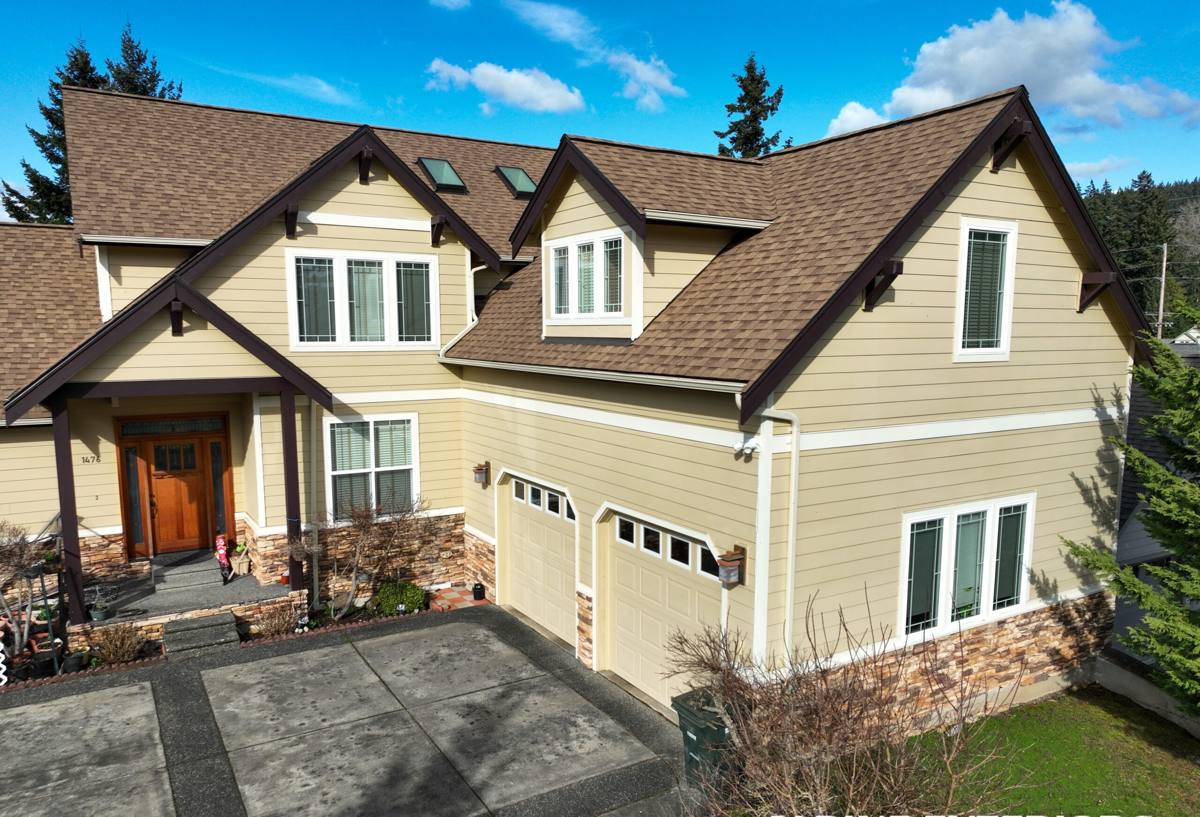
The Parts of a Deck That Fail First Around Here
Ledger Board and House Connection
The ledger board — where the deck attaches to the house — is the single most important structural connection on most decks, and it's also the one most exposed to trapped moisture. Flashing that wasn't installed correctly, or wasn't installed at all, lets water sit behind the ledger and rot the framing from a spot you can't see without pulling boards or getting underneath.
Posts, Footings, and Ground Contact
Post bases that sit in or near standing water after heavy rain are a slow-motion problem. Even pressure-treated posts will eventually break down at the soil line if the base isn't detailed to shed water, and Parrish's flat terrain doesn't always drain footings the way a homeowner assumes it does.
Fasteners and Hardware
Screws, joist hangers, and structural bolts that aren't rated for coastal exposure corrode faster here than almost anywhere else in the country outside true beachfront. Corroded hardware is one of the most common things we find causing a "soft" or bouncy deck that otherwise looks fine.
Decking Surface
UV breaks down the surface fibers of wood decking and, over enough years, can affect the color and finish of composite as well. Combined with humidity swings, this is what produces the splitting, cupping, and graying homeowners notice first — even though it's usually not the most serious issue on the deck.
Repair or Replace: How We Actually Make That Call
Not every issue means a full rebuild, and we don't default to recommending one. The honest answer depends on what's failing and where.
| Condition Found | Usually Means |
|---|---|
| Surface graying, minor splinters, cosmetic cracks | Cleaning, sanding, refinishing, or spot board replacement |
| A few soft or cracked boards, rest of deck solid | Targeted board replacement |
| Bounce or movement at the ledger connection | Ledger and flashing repair — treated as urgent |
| Soft framing under multiple boards, corroded hardware | Structural repair, possibly partial rebuild |
| Widespread rot at posts, footings shifted or heaving | Full or near-full rebuild recommended |
We explain which category your deck falls into and why, in plain terms, before any work starts — not after.
What a Correct Deck Repair Actually Involves
A repair that's done right isn't just swapping boards that look bad. It starts with getting underneath the deck, not just walking on top of it.
- Inspecting the ledger board connection and flashing, since this is the highest-consequence failure point
- Checking joists and beams for soft spots by probing, not just looking
- Testing post bases and footings for movement or rot at the soil line
- Identifying which fasteners are corroded versus which hardware is still sound
- Assessing the decking surface separately from the structure underneath it — a deck can look rough on top and be solid underneath, or the reverse
- Checking stair stringers and railing posts, which take repeated stress and get overlooked
Once we know what's actually wrong, the repair itself typically involves removing and replacing rotted framing members, upgrading hardware to fasteners and connectors rated for coastal/humid exposure, correcting flashing at the ledger if that's where water has been getting in, and replacing decking boards to match the surrounding material as closely as possible. We use structural connectors and fasteners suited to Florida conditions rather than whatever happens to be cheapest, because replacing corroded hardware again in five years isn't a repair, it's a delay.
Our Process for Parrish Deck Repair Jobs
1. On-Site Inspection
We look at the deck from underneath, at the ledger, at the posts, and at the surface — not just a walk-around from the yard. We tell you what we find, including anything that's fine and doesn't need work.
2. Written Scope and Estimate
You get a clear breakdown of what's being repaired and why, with pricing that reflects the actual scope — not a vague lump sum. If we think replacement makes more sense than repair for part of the deck, we'll say so and explain the trade-off.
3. The Repair Work
Structural work is done first — framing, ledger, footings, hardware — before any cosmetic surface work. There's no point finishing decking on top of a connection that isn't sound.
4. Surface Finish and Cleanup
New boards are matched as closely as possible to existing material, edges are cleaned up, and the site is left clear of debris and old hardware.
5. Walkthrough
We walk the finished deck with you so you can see exactly what changed and ask questions before we consider the job done.
Wood vs. Composite: What We Recommend for Repairs Here
When board replacement is part of the job, homeowners often ask whether to match existing wood or switch part of the deck to composite. Both are legitimate choices, and the right answer depends on the deck and the budget.
| Factor | Wood Decking | Composite Decking |
|---|---|---|
| Upfront cost | Lower | Higher |
| Maintenance | Periodic sealing/staining needed to handle Florida UV and humidity | Minimal — no sealing required |
| Surface heat in direct sun | Moderate | Can run hotter in full afternoon sun; color choice matters |
| Long-term appearance | Grays and weathers without upkeep | Holds color longer with less effort |
| Repairability | Easy to spot-replace individual boards | Easy to spot-replace; matching older composite color can be harder years later |
For a partial repair on an older wood deck, matching in wood is usually the practical choice. For homeowners planning ahead for lower maintenance, we'll walk through composite options honestly, including the trade-offs, rather than just upselling the higher-margin product.
Maintenance That Actually Extends the Life of a Repair
A repair is only as good as what happens after it. A short list of habits makes a real difference in this climate:
- Rinse off salt residue and debris periodically, especially after storms with onshore wind
- Keep gutters and downspouts clear so runoff isn't dumping extra water onto or near the deck
- Reseal or restain wood decking on a regular schedule rather than waiting until it looks dry and gray
- Check underneath the deck once or twice a year for soft spots, standing water, or pest activity
- Address small issues — a loose board, a squeak, a hairline crack — before the next rainy season rather than after
Why a Crew That Already Works Parrish Matters
Deck repair isn't just carpentry — it's carpentry that accounts for local soil drainage, local storm exposure, and the specific way Manatee County humidity and salt air interact with framing and fasteners. A crew that works this area regularly has already seen how ledger boards fail here, which post-base setups hold up and which don't, and what corrosion actually looks like on hardware pulled from a Parrish deck versus a generic textbook photo. That's the difference between a repair that's cosmetic and one that actually holds.
Being local also means a faster response when a repair is time-sensitive — a soft ledger connection or a shifted post isn't something that should sit on a waiting list for weeks, especially heading into storm season.
Get a Straight Answer About Your Deck
If your Parrish deck has a soft spot, a bounce, cracked boards, or you just haven't had it looked at in a while, we'll come take a real look — underneath as well as on top — and give you a clear, honest read on what it needs. The estimate is free and there's no pressure to move forward on anything beyond what's actually necessary. Use the form below to get started.