 Bradenton Siding
 Parrish Is Growing Fast — Its Siding Needs Deserve the Same Attention
Parrish has become one of the busiest pockets of Manatee County over the past several years, with new subdivisions going up alongside older rural homesteads that have weathered decades of Florida summers. Whatever the age of the house, the exterior siding is doing the same job: standing between the framing and a climate that does not let up. New construction gives homeowners a chance to start with a product built for that job. Older homes with tired siding give homeowners a chance to finally fix it right instead of patching around the same problem year after year.
We install fiber cement siding in Parrish and throughout the Bradenton area, and we do it with one product line: James Hardie. This page is about what fiber cement siding needs to deliver for a Parrish home specifically, what a correct installation actually involves, and why hiring a crew that already works this area matters more than it might seem.
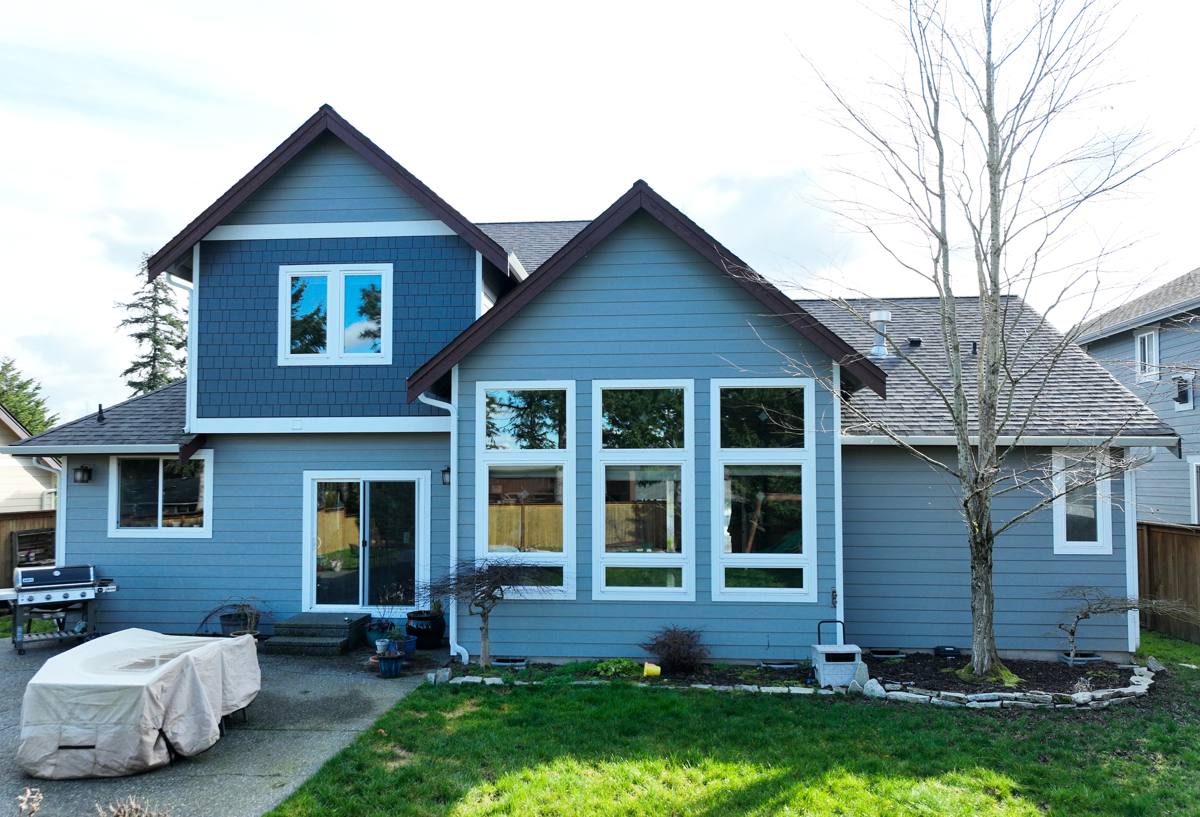
What Manatee County's Climate Actually Does to Siding
Parrish sits inland from the immediate coastline, but it is not sheltered from what Gulf-adjacent weather does to a house. Four things wear on exterior siding here, year after year, whether the home is brand new or thirty years old.
Intense, Year-Round UV
Florida's sun angle and number of direct-sun days are higher than almost anywhere else in the country. Siding finishes that rely on field-applied paint fade unevenly, chalk, and need repainting on a cycle most homeowners underestimate when they first pick a product. A finish that can't handle sustained UV exposure will show it within a few years, not a few decades.
Wind-Driven Rain
Afternoon storms and tropical systems don't just drop rain — they push it sideways, forcing water into every lap, seam, and penetration in a wall system that isn't detailed correctly. This is less about the siding material itself and more about the water management behind it: house wrap, flashing, and correct clearances. Get those wrong and even a good product will let moisture into the wall assembly.
Hurricane-Force Wind Loads
Manatee County sits squarely in a hurricane-prone region, and Parrish homes need to be built and re-sided to withstand real wind pressure, not just rain. That means fastening patterns, product wind ratings, and installation details all matter as much as which brand of siding is on the truck.
Salt Air
Even away from the immediate waterfront, prevailing winds off the Gulf carry salt-laden moisture inland across Manatee County. Salt exposure accelerates corrosion on fasteners and trim and speeds up the breakdown of lower-grade coatings. It's a slower, quieter form of wear than a storm, but it adds up over the life of a house.
Why We Install James Hardie — and Not Other Materials
We get asked why we don't offer vinyl, LP SmartSide, or other fiber cement brands. The honest answer is that we've standardized on one product because it matches what this climate demands, and we'd rather do one thing correctly than offer options we can't stand behind.
Vinyl siding can soften, warp, or crack under sustained heat and wind pressure, and it offers little resistance to wind-driven debris. Engineered wood products like LP SmartSide use wood fiber with a resin binder — a real improvement over old-fashioned wood siding, but still an organic material that depends heavily on caulking, flashing, and paint maintenance staying perfect to keep moisture out. Other fiber cement brands exist, but factory finish quality, warranty structure, and climate-specific product engineering vary between manufacturers, and we've chosen to build our installation expertise and warranty backing around one system rather than spread it thin across several.
James Hardie manufactures fiber cement siding engineered specifically for humid, high-UV, storm-exposed climates through its HardieZone system, and backs it with a factory-applied ColorPlus finish and a transferable limited warranty. That combination — a non-combustible material, a finish that's baked on rather than field-painted, and a warranty that survives a change of ownership — is why it's what goes on homes we work on.
What a Correct Fiber Cement Installation Actually Involves
Fiber cement siding is only as good as the installation behind it. The product can handle Florida's climate; sloppy detailing cannot.
Fastening and Clearances
Fiber cement has to be fastened according to manufacturer specifications for wind zone — corrosion-resistant fasteners, correct spacing, and correct penetration depth. Clearances matter just as much: siding installed too close to grade, roof lines, or decks traps moisture against the bottom edge, which is where premature failure usually starts, regardless of the material.
Flashing and Water Management
Every window, door, and penetration needs correctly lapped flashing and a weather-resistant barrier behind the siding, not just caulk covering a gap. Caulk is a maintenance item, not a water management strategy. A house wrapped and flashed correctly will shed wind-driven rain even if a bead of caulk eventually fails; one that relies on caulk alone will leak the moment it does.
Factory Finish vs. Field Paint
ColorPlus finish is cured at the factory under controlled conditions, which gives it more consistent adhesion and UV resistance than paint applied on site after installation. Field-painted fiber cement isn't wrong, but it shifts the UV-fade and touch-up burden onto the homeowner years sooner.
Our Process for a Parrish Siding Project
- Assessment — we inspect existing siding, sheathing, and trim for hidden moisture damage before quoting anything, since damaged sheathing changes the scope of the job.
- Tear-off and sheathing check — old siding comes off and any soft or damaged sheathing gets addressed before new material goes up, not covered over.
- Weather-resistant barrier and flashing — house wrap and flashing details are installed correctly around every opening, matched to the wind and rain exposure of the specific elevation.
- Hardie installation — panels or planks fastened to spec, with correct clearances at grade, roofline, and trim.
- Trim, caulking, and touch-up — finish details completed with manufacturer-approved sealants and touch-up paint matched to the ColorPlus finish.
- Final walkthrough — we go over the completed job with the homeowner before calling it done.
Fiber Cement vs. Other Common Siding Options
| Factor | Vinyl | Engineered Wood (LP SmartSide) | James Hardie Fiber Cement |
|---|---|---|---|
| Wind resistance | Can crack or blow off in high gusts | Good when installed and sealed correctly | Engineered for high wind zones |
| Moisture behavior | Resists moisture itself but can trap it behind panels | Wood-based; relies on maintained seals and paint | Non-organic; won't rot, but still needs correct water management behind it |
| UV/fade resistance | Can fade and become brittle over time | Depends on field or factory paint quality | Factory-cured ColorPlus finish resists fading |
| Fire resistance | Combustible | Combustible (wood-based) | Non-combustible |
| Maintenance | Low, but limited repair options when damaged | Regular paint/seal upkeep | Low; occasional caulk and touch-up |
What Actually Drives Cost on a Parrish Project
Every fiber cement job is priced around the specifics of the house, not a flat rate. The factors below are what actually move a quote up or down, and they're worth understanding before you compare bids.
| Cost Factor | Why It Matters |
|---|---|
| Tear-off and disposal | Removing old siding and hauling it away adds labor regardless of what's going back up |
| Sheathing repair | Water-damaged sheathing found during tear-off has to be replaced before new siding goes on |
| Home height and complexity | Multi-story homes and homes with lots of gables, dormers, or trim take more time and equipment |
| Product line and profile | Lap width, panel style, and trim details all affect material cost |
| Color and finish choice | Standard ColorPlus colors vs. custom field-painted finishes price differently |
Questions to Ask Before Hiring a Siding Contractor in Parrish
Not every contractor who shows up with a truck full of fiber cement panels installs it the same way. Before you sign anything, it's worth asking:
- Are you licensed and insured to do exterior work in Manatee County?
- Are your installers factory-trained or certified on the specific product you're installing?
- What's your plan for flashing and water management, not just the siding itself?
- Will you inspect and address sheathing damage before it's covered up, and how is that handled in the quote?
- What does the manufacturer's warranty actually cover, and is it transferable if the home sells?
- Can you walk me through your fastening and clearance approach for wind exposure at this house's height and location?
A contractor who answers these clearly, without vague reassurances, is telling you something about how the rest of the job will go.
Why Local Experience in Parrish Matters
A crew that works Manatee County regularly already knows what the local permitting process expects, what wind zone requirements apply, and how differently a home near open, exposed lots handles wind compared to one tucked behind mature trees. That's not something you get from a national installer parachuting in for one job. It shows up in the small decisions — how tight the flashing laps are, how the fastening schedule is adjusted for an exposed elevation, how trim is detailed around windows facing the prevailing wind and rain direction.
Maintenance and Warranty
Correctly installed James Hardie fiber cement is a low-maintenance product, not a no-maintenance one. Homeowners should expect to periodically check and refresh caulking at trim joints, rinse off surface dirt and salt residue, and touch up any impact damage promptly rather than letting it sit. James Hardie backs its products with a non-prorated limited warranty that's transferable to a new owner, which matters in a growing area like Parrish where homes change hands more often than in older, established neighborhoods.
If your Parrish home's siding is showing its age, or you're planning ahead for what a new build needs to survive Manatee County's weather, we're happy to take a look and walk you through the options. Reach out for a free, no-pressure estimate using the form below.