 Bradenton Siding
 Roof Repair Built for Mill Creek's Climate
Mill Creek homes sit under the same year-round sun, salt air, and storm exposure as the rest of Manatee County, and that combination is hard on a roof. Intense UV breaks down shingle mat and tile coatings faster than in most parts of the country. Wind-driven rain finds its way under flashing and around vents during summer thunderstorms and tropical systems. Salt-laden air corrodes exposed metal fasteners, drip edge, and vent boots well before a roof reaches the end of its expected service life. None of this means a roof needs to be replaced every time something goes wrong — but it does mean repairs have to be done with local conditions in mind, not treated like a generic patch job.
A roof repair that works fine in a drier, milder climate can fail within a season here if it doesn't account for wind uplift resistance, proper flashing detail, and materials rated for coastal exposure. That's the standard we hold every repair to, whether it's a single cracked tile or a full section of storm-damaged shingles.
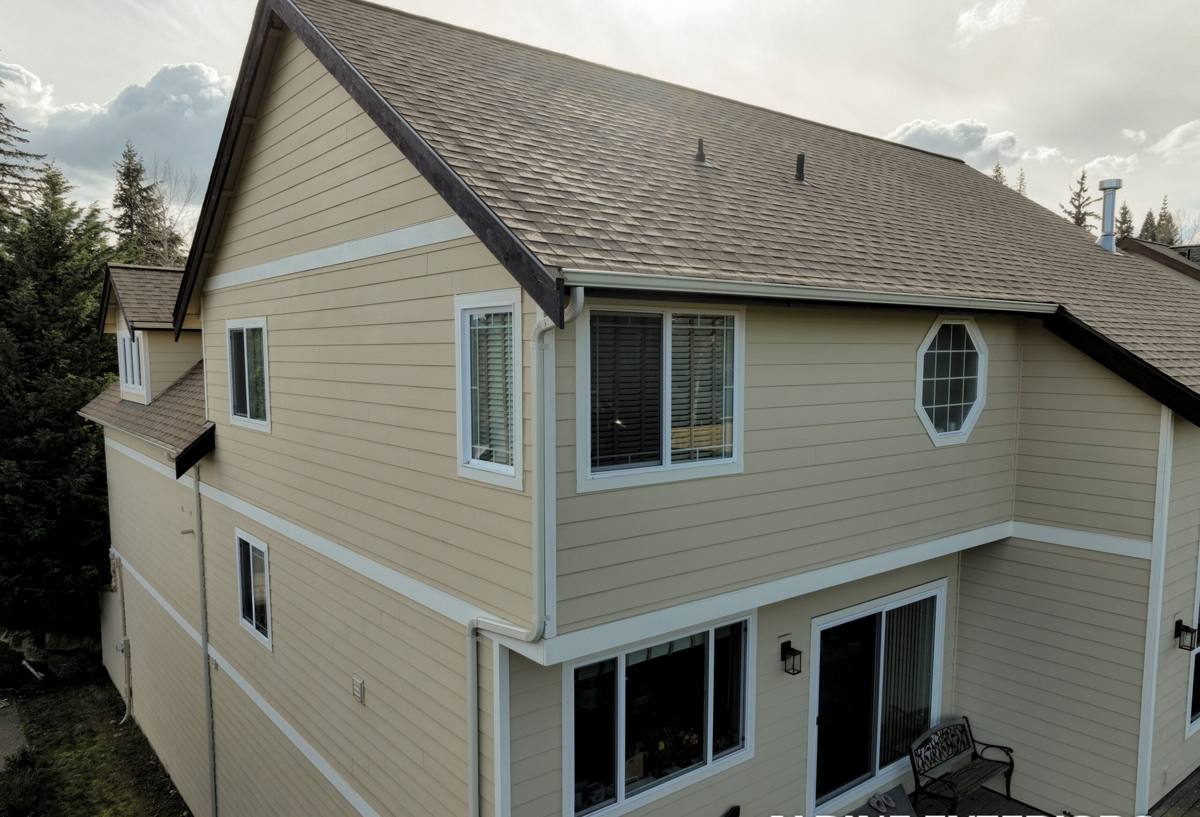
Common Roof Problems We See on Mill Creek Homes
Every neighborhood has its own patterns based on roof age, common construction styles, and tree cover. In and around Mill Creek, the repairs we're called out for most often fall into a few categories:
- Wind-lifted or missing shingles after a strong storm cell or tropical system passes through, especially along ridge lines and roof edges where uplift pressure is highest
- Cracked, slipped, or broken tiles from foot traffic, falling debris, or age-related brittleness in the underlying mortar or fasteners
- Flashing failures around chimneys, skylights, and wall-to-roof transitions, which show up as ceiling stains long before the leak's true source is obvious
- Deteriorated pipe boots and vent seals, a UV-driven failure that's one of the most common leak sources on roofs past the ten-year mark
- Soffit and fascia damage from moisture intrusion at the roof edge, often tied to gutter issues or wind-driven rain getting behind trim
- Granule loss and surface wear on shingle roofs exposed to consistent, intense Florida sun
Some of these are quick, contained fixes. Others are a sign of a bigger issue building underneath the surface — which is why diagnosis matters as much as the repair itself.
What a Correct Roof Repair Actually Involves
Finding the Real Source, Not Just the Symptom
Water travels. A stain on a bedroom ceiling might trace back to a flashing gap ten feet away, or it could be a roof-deck issue that's been slowly spreading under intact-looking shingles or tile. A repair that only addresses the visible symptom — say, caulking over a crack without checking what's underneath — tends to fail again within a year or two. Correct repair work starts with tracing the actual entry point, which sometimes means inspecting the attic or roof deck from below as well as the surface from above.
Matching Materials, Not Just Covering Gaps
On tile roofs especially, repairs need to match the existing profile, color, and fastening method so the patched section performs — and looks — consistent with the rest of the roof. On shingle roofs, granule color and shingle profile matter too, both for appearance and for making sure the repaired section sheds water the same way the surrounding field does.
Rebuilding the Water Barrier, Not Just the Surface Layer
The shingles or tiles you see are only the outer layer. Underneath is underlayment, flashing, and (on some roofs) a secondary water barrier — and any of those can be compromised even when the surface layer looks mostly fine. A repair that replaces damaged tile or shingle but ignores torn or aged underlayment underneath is a repair that will leak again.
How Our Repair Process Works
1. On-Site Inspection and Diagnosis
We start by physically inspecting the affected area — and areas around it, since roof problems rarely stay perfectly contained. We check flashing, penetrations, fastener condition, and the underlayment where accessible, along with the interior ceiling or attic if there's an active leak.
2. A Clear, Written Explanation
Before any work starts, we explain what we found, what caused it, and what fixing it correctly requires. If a repair is genuinely all that's needed, we say so. If the damage points to a bigger underlying issue, we tell you that too, honestly, with the reasoning behind it.
3. The Repair Itself
Work is done to match the existing roof system — same or compatible materials, proper flashing technique, and fastening methods suited to wind exposure in this area. We don't shortcut underlayment or flashing repair just to save time on a surface-level fix.
4. Final Check
Once the repair is complete, we verify the area sheds water correctly and that surrounding sections weren't disturbed or left vulnerable during the work.
Repair or Replace? How We Help You Decide
Not every roof problem calls for a full replacement, and not every roof is a good candidate for another round of patchwork. The table below outlines how we generally think through that decision — final judgment always depends on an actual inspection.
| Factor | Leans Toward Repair | Leans Toward Replacement |
|---|---|---|
| Roof age | Well within expected lifespan for the material | Near or past typical service life for the material |
| Damage extent | Isolated to one area or a single system (flashing, boot, section of tile/shingle) | Spread across multiple areas or recurring in different spots |
| Underlayment condition | Sound and intact where inspected | Brittle, torn, or failing in multiple places |
| Repair history | First or infrequent repair on this roof | Repeated repairs to the same or nearby areas |
| Storm damage pattern | Contained wind or impact damage | Widespread uplift, exposed deck, or structural involvement |
What Affects the Cost of a Roof Repair
Roof repair costs vary a lot based on what's actually wrong, so broad national averages aren't very useful. What we can tell you is what tends to move the price up or down on jobs like this:
| Cost Factor | Why It Matters |
|---|---|
| Roof material | Tile repair generally involves more labor and material matching than shingle repair |
| Roof pitch and access | Steep or hard-to-access roof sections take longer and require more safety setup |
| Extent of hidden damage | Underlayment or deck damage found once tile or shingles are pulled back adds scope |
| Number of penetrations involved | Chimneys, skylights, and multiple vents each add flashing and sealing work |
| Material availability | Matching an older or discontinued tile profile can take longer to source |
We always inspect before quoting a price, because guessing at scope from a description alone tends to under- or overestimate what's actually needed.
Materials We Work With
Bradenton has a mix of roof types — concrete and clay tile, asphalt shingle, and some metal — and Mill Creek is no exception. We repair all of these, matching whatever system is already on the home rather than pushing a different product during a repair visit. When a repair does call for a material decision (for example, an obsolete tile profile that can't be matched exactly), we walk through the honest trade-offs with you: appearance consistency, moisture performance, and how the choice affects the roof's warranty coverage going forward. We don't recommend against a product because we dislike it — only when the maintenance burden or installation sensitivity makes it a worse fit for a coastal climate like this one.
Storm-Season Readiness: A Practical Checklist
Small, proactive checks catch a lot of problems before they turn into interior damage. Before and after major storms each season, it's worth checking:
- Visible shingles or tiles for cracks, lifting, or missing pieces after any strong wind event
- Ceilings and attic spaces for new stains, especially after heavy rain
- Flashing around chimneys, skylights, and roof-to-wall joints for gaps or rust streaking
- Gutters and downspouts for debris that could back water up under roof edges
- Pipe boots and vent seals for cracking, which tends to worsen gradually with UV exposure
- Soffit and fascia for soft spots, staining, or peeling paint, which can signal moisture intrusion
Catching these early is almost always cheaper and less disruptive than waiting for a leak to show up inside the home.
Why It Matters to Work With a Crew That Knows This Area
A roof repair crew that regularly works Manatee County neighborhoods like Mill Creek understands things a generalist roofer from farther away might miss — how the local combination of coastal humidity, seasonal storm patterns, and consistent UV exposure actually wears down a roof over time. That familiarity shows up in the details: knowing which flashing techniques hold up to wind-driven rain here, understanding how salt air accelerates corrosion on exposed fasteners, and recognizing when a repair is genuinely sufficient versus when it's just delaying a bigger problem. It also means someone who's easy to reach if a repair needs a follow-up visit, rather than a crew that's moved on to a job two counties away.
Get a Free, No-Pressure Estimate
If you're dealing with a leak, storm damage, or a roof issue you're not sure how serious it is, we're happy to take a look. The estimate is free, there's no pressure to move forward, and you'll get a straight answer about whether repair makes sense or whether it's worth discussing other options. Use the form below to get started.