 Bradenton Siding
 Building a Deck That Can Actually Handle Samoset's Weather
Samoset sits close enough to the coast that every outdoor structure on your property deals with the same combination of stresses: hurricane-force wind gusts during storm season, intense UV exposure nearly year-round, wind-driven rain that finds its way into gaps most builders never think to seal, and salt-laden air that quietly corrodes metal hardware long before homeowners notice a problem. A deck is one of the most exposed structures on a home, since it's outdoors full-time with no roof, no siding, and no house wrap protecting it. Building one that lasts in this climate isn't about using fancier materials than everyone else — it's about respecting what Manatee County weather actually does to wood, fasteners, and connections over time, and designing around it from the first post hole.
A lot of deck problems we get called out to fix didn't start as bad workmanship. They started as a deck built the same way it would be built in a drier, calmer climate — then left to take on a decade of Gulf Coast sun and storms it was never really designed for.
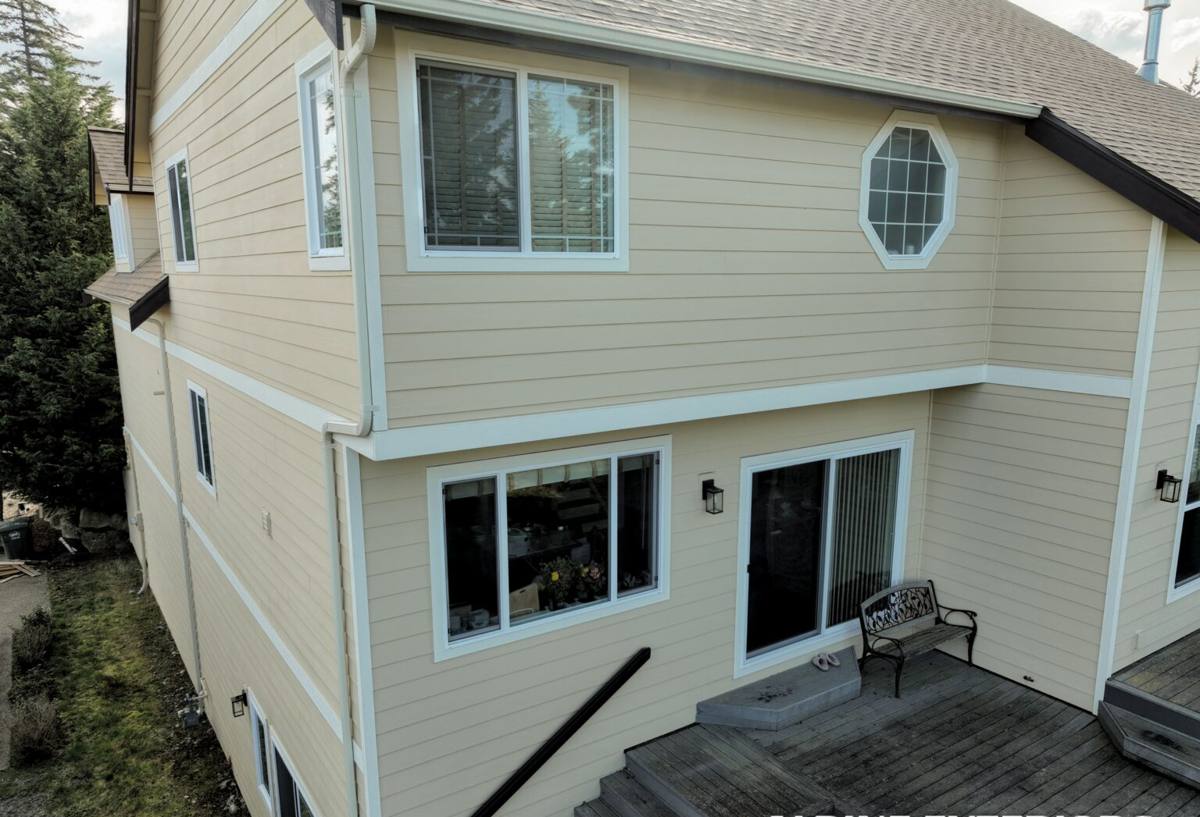
What Samoset Homes Specifically Need From a Deck
Samoset's mix of established homes and newer construction means we see a wide range of existing decks — some original to the house, some added later, some replacing an older structure that finally gave out. Regardless of the home's age, a deck built or rebuilt here needs to account for a few local realities:
- Wind uplift, not just wind pressure. Florida wind design isn't only about a deck standing up to a straight-line gust — it's about resisting the upward and lateral forces that try to lift decking boards, twist railings, and pull ledger boards away from the house during a storm.
- Standing water and drainage. Bradenton's summer rain pattern is short, heavy downpours, not gentle all-day rain. A deck surface and substructure need to shed water fast rather than let it pool against ledger boards or framing.
- UV degradation. Year-round Florida sun breaks down cheap sealers, fades certain composite formulations unevenly, and dries out wood fibers faster than in northern climates, which accelerates cracking and splintering if the wood wasn't properly treated or maintained.
- Corrosion resistance in every hidden connection. Salt air doesn't just affect homes directly on the water — it travels inland and settles into hardware over months and years. The fasteners you can't see are usually the first thing to fail.
Choosing the Right Decking Material
There's no single "best" decking material for every Samoset home — it depends on your budget, how much upkeep you're willing to do, and how long you want the deck to last with minimal attention. Here's how the main options actually compare in a coastal Florida climate, not in a showroom.
| Material | Upfront Cost | Maintenance | Coastal Durability | Heat Underfoot |
|---|---|---|---|---|
| Pressure-treated wood | Lowest | Annual sealing/staining recommended | Good if maintained; prone to splitting/graying if neglected | Moderate |
| Composite decking | Mid to high | Low — occasional washing | Very good; resists rot and insects, color-stable formulations hold up well | Can run hot in direct sun; lighter colors help |
| PVC/vinyl decking | Highest | Lowest | Excellent — fully moisture-resistant, no organic material to rot | Similar to composite; varies by product |
Wood remains a solid, honest choice for homeowners who don't mind the upkeep and like the traditional look — but it only performs as well as the maintenance schedule behind it. Composite and PVC cost more upfront but trade ongoing sealing and staining for occasional cleaning, which matters if you'd rather spend weekends doing something other than deck maintenance. Our standard is to walk homeowners through the real trade-offs rather than push whichever product carries the best margin — the right material is the one that matches how you'll actually use and maintain the deck.
A Note on Warranty Structures
Composite and PVC products typically carry longer manufacturer warranties than wood, but those warranties are often tied to using the manufacturer's specified fasteners, clips, and installation methods. We install to spec on every composite and PVC job specifically to keep those warranties intact — cutting corners on hidden hardware can void coverage even if the visible decking looks fine.
Framing and Structure: Where Deck Failures Actually Start
Almost every deck failure we've been called to assess in this area traces back to the substructure, not the decking boards on top. Decking is easy to inspect and easy to replace. Framing, footings, and connections are hidden — and they're what actually keep a deck attached to your house and standing through a storm.
Footings and Posts
Post footings need to be sized and set to local soil conditions and depth requirements, not guessed at. Undersized or shallow footings are one of the more common shortcuts we see on older decks, and they show up as a wobbly structure or leaning posts long before anyone realizes the footing was the problem.
Ledger Board Attachment and Flashing
The ledger board — where the deck attaches to the house — is the single most important connection on the entire structure, and it's also the one most prone to water damage if flashed incorrectly. Wind-driven rain will find any gap around the ledger and work its way behind it, rotting the rim joist and sheathing from the inside where you can't see it happening. Proper flashing, correct lag bolts or through-bolts (not just deck screws), and a small air gap for drainage are non-negotiable here.
Joist Hangers, Hurricane Ties, and Hardware
Every joist connection should use hangers and fasteners rated for the load and rated for coastal exposure — typically hot-dip galvanized or stainless steel, not the standard-coated hardware sold for general construction. Standard hardware can start corroding within a few years this close to the coast, and a corroded joist hanger loses holding strength long before it looks obviously rusted.
What a Correctly Built Deck Includes
Whether you're building new or replacing an aging deck, here's what should be part of the job — not as upsells, but as the baseline for a deck that's actually built for this climate:
- Footings sized and set to the load and local soil conditions, not a one-size-fits-all depth
- Properly flashed ledger board with a drainage gap, secured with through-bolts or structural lag screws
- Hot-dip galvanized or stainless steel joist hangers, hurricane ties, and fasteners throughout — not just at visible connections
- Decking boards fastened with corrosion-resistant screws or hidden fastener systems rated for the material
- Board spacing that allows for material expansion and fast water drainage after heavy rain
- Railings and baluster spacing that meet code, secured to structural framing rather than just decking boards
- Stair stringers sized for the actual rise and run, not shimmed to fit
Permits and Wind-Load Requirements
New decks and most deck rebuilds in Manatee County require a permit, and the structure has to meet Florida Building Code requirements for wind resistance — that's not a local quirk, it's standard across the state given how much of Florida's building code is written around hurricane performance. The permit and inspection process exists to catch exactly the kind of shortcuts described above: undersized footings, unflashed ledgers, and under-rated hardware. We pull our own permits and schedule our own inspections on every deck project so there's a documented, code-verified structure behind the finished look — not just a deck that looks fine until the next storm tests it.
Our Process for a Samoset Deck Project
- On-site assessment. We look at your existing structure (if there is one), the soil and drainage on your specific lot, sun exposure, and how you actually plan to use the space.
- Material and design conversation. We walk through the honest trade-offs between wood, composite, and PVC for your budget and maintenance preference, and finalize a layout that fits the house and yard.
- Permitting. We handle the permit application and engineering documentation required for Manatee County approval.
- Construction. Footings, framing, ledger flashing, and hardware go in to code — the parts you won't see are treated with the same care as the parts you will.
- Inspection and walkthrough. The deck passes required inspections, and we walk the finished project with you before calling the job done.
Protecting the Investment After It's Built
A well-built deck in a coastal climate still needs some ongoing attention, and the maintenance schedule depends heavily on the material you chose:
- Wood decks: Plan on cleaning and resealing roughly once a year — Florida sun and rain will break down even a good sealer faster than a milder climate would.
- Composite and PVC decks: Periodic washing to remove salt residue, pollen, and mildew is usually all that's needed, but check manufacturer guidance for your specific product.
- All decks: A quick annual look at railings, stair connections, and any visible hardware for early rust or looseness catches small problems before they become structural ones.
Why It Matters to Hire a Crew That Already Works in Samoset
A deck built to a generic national standard isn't automatically wrong — but a crew that's only ever built in drier, calmer climates won't instinctively over-build the ledger flashing, won't automatically spec coastal-rated hardware, and won't necessarily know what Manatee County's permitting office expects on a wind-load calculation. A crew that works this specific area regularly has already seen how salt air, storm season, and Florida sun affect decks over years, not just at the moment of installation. That local track record shows up in the small decisions — the fastener grade, the footing depth, the flashing detail — that a homeowner never sees but absolutely notices in five or ten years.
If you're planning a new deck or need an honest assessment of an existing one, we're happy to take a look and give you a straightforward, no-pressure estimate — just fill out the form below.