 Bradenton Siding
 Ellenton Siding Takes a Different Kind of Beating
Ellenton sits close enough to Tampa Bay and the Manatee River that homes here deal with a specific combination of stressors: salt-laden air moving inland, long stretches of intense subtropical UV, wind-driven rain during summer storms, and the real possibility of hurricane-force gusts during the season. None of these alone is unusual for a Florida home. Together, over years, they're what actually wears siding out — not one dramatic event, but the slow accumulation of moisture cycling, sun bleaching, and wind flexing on a wall system that was never built to shed water in these conditions.
When we replace siding on an Ellenton home, we're not just swapping old material for new. We're correcting whatever let the old siding fail in the first place, so the replacement actually lasts. That's the difference between a siding job that looks good for a season and one that holds up for decades.
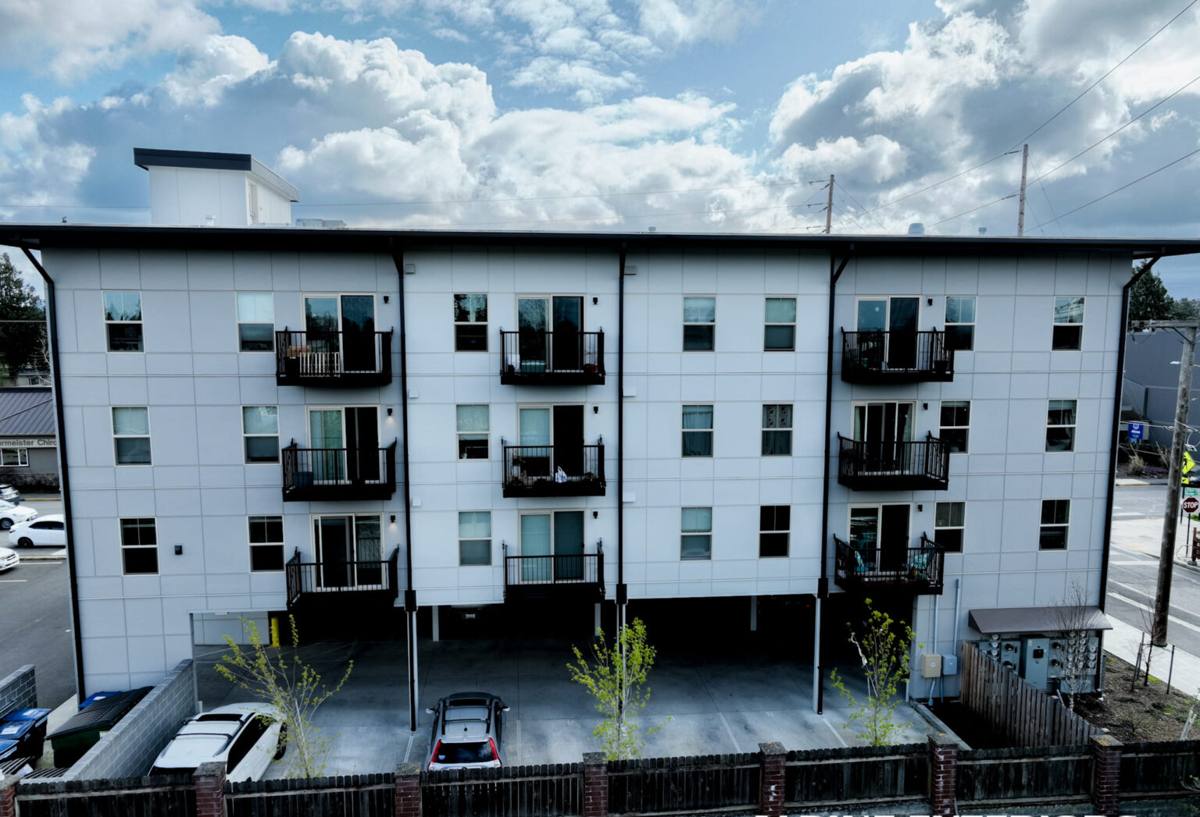
Signs Your Ellenton Home's Siding Has Reached Its Limit
Siding rarely fails all at once. It usually gives you warning signs for a year or two before something forces the issue — a soft spot, a stain, a section that starts to separate. Here's what we look for, and what homeowners should watch for between inspections:
- Soft, spongy, or crumbling spots when pressed — usually a sign of moisture trapped behind the surface
- Bubbling, peeling, or chronically peeling paint that keeps returning within a year or two of repainting
- Visible cupping, warping, or buckling panels, especially on south- and west-facing walls
- Cracks running along panel seams or at corners, which let wind-driven rain behind the material
- Rising interior humidity, musty odors near exterior walls, or unexplained increases in cooling costs
- Rust streaking from fasteners, or fastener heads that have backed out or corroded
- Visible gaps at trim, window, and door transitions where caulking has failed
Any one of these can be a minor repair. Several at once, especially on a home that's 15-20+ years past its last siding install, usually means the underlying wall assembly has been absorbing moisture for a while and full replacement is the more honest recommendation.
What "Correct" Siding Replacement Actually Involves
Siding replacement done properly is a wall-system project, not a cosmetic swap. In our experience, most siding failures we see on tear-offs in the Bradenton area trace back to shortcuts taken during the original install — not the siding material itself. A correct replacement addresses each layer:
Full Tear-Off and Substrate Inspection
We remove the old siding down to the sheathing so we can actually see what's underneath. This is where hidden rot, compromised sheathing, or old flashing mistakes get found and fixed before anything new goes up — covering over a damaged substrate with new siding just hides the problem for a few more years.
Water-Resistive Barrier and Flashing
A weather-resistive barrier goes over the sheathing, and flashing gets properly integrated at every window, door, and roof-to-wall transition. This is the layer that actually keeps wind-driven rain out of the wall cavity — the siding itself is the second line of defense, not the first.
Correct Fastening for Wind Exposure
Manatee County's wind exposure requirements affect fastener spacing, type, and placement. Siding that's face-nailed incorrectly or under-fastened for the local wind zone is one of the most common causes of panel loss during storms — and it's invisible from the ground until it fails.
Trim, Caulking, and Finish Detail
The small details — corner trim, joint treatment, caulking at penetrations — are where most long-term leaks start. We treat these as part of the install, not an afterthought.
Why We Install Only James Hardie Fiber Cement
We don't install vinyl, LP SmartSide, Cemplank, Allura, or unprimed wood siding. That's a deliberate standard, not a limitation on what we're capable of installing. After years of siding work in coastal Southwest Florida conditions, James Hardie fiber cement is the only product we're willing to warranty our labor against.
Fiber cement doesn't absorb water the way wood-based composite products can, so it doesn't swell, delaminate, or lose paint adhesion the same way when a seam gets compromised. It's non-combustible, which matters for insurance and code considerations in some situations. And Hardie's ColorPlus factory-applied finish is baked on and warrantied separately from the substrate, which means color retention under intense Florida UV doesn't depend on a field-applied paint job holding up.
Just as important: Hardie makes climate-engineered product lines (their HZ5 formulation) specifically built for humid, high-moisture climates like ours, rather than a single generic product sold everywhere. That distinction matters more in Manatee County than it would somewhere with a mild, dry climate.
How Hardie Compares to Other Siding Materials Homeowners Consider
| Factor | James Hardie Fiber Cement | Vinyl | Wood-Based Composite (e.g., LP SmartSide) |
|---|---|---|---|
| Moisture behavior | Does not absorb/swell; engineered for humid climates | Doesn't absorb, but can warp/melt from heat, gaps let water behind panel | Wood-strand core can swell or delaminate if edges aren't sealed and maintained |
| Wind performance | Rigid, heavy, holds fasteners well when installed to spec | Lightweight, more prone to cracking/blow-off in high gusts | Good when new, sensitive to edge damage over time |
| UV/color retention | Factory ColorPlus finish, separately warrantied | Can fade and become brittle over time | Field-painted; repainting is the owner's ongoing responsibility |
| Fire resistance | Non-combustible | Combustible, can melt | Combustible (wood-based) |
| Maintenance burden | Low; occasional wash and caulk check | Low, but cracks/holes aren't repairable, only replaceable | Moderate; edge sealing and repainting cycles required |
None of these other products are "bad" — they're reasonable choices in the right context. Our position is simply that for the moisture, UV, and wind conditions we see in Manatee County, fiber cement is the material we're willing to stand behind with our own labor warranty.
Our Siding Replacement Process for Ellenton Homes
- On-site assessment — we walk the exterior, check problem areas you've flagged, and look for signs of hidden moisture damage before quoting anything
- Written scope and product selection — we walk you through Hardie board profiles, textures, and color options suited to your home and neighborhood
- Permitting — we handle the Manatee County/local permit submission where required, so the job is inspected and documented correctly
- Full tear-off — old siding removed, sheathing inspected, any rot or damage repaired before moving forward
- Weather barrier and flashing installation — the moisture-management layer goes in correctly, at every penetration
- Hardie board installation — fastened to manufacturer spec for our wind exposure, with attention to seams and expansion gaps
- Trim, caulking, and finish work — corner and joint detailing completed to shed water, not just look finished
- Final walkthrough and cleanup — we review the completed work with you and clear the site of old material and debris
Wind, Code, and Permitting Considerations in Manatee County
Manatee County's building requirements account for the region's hurricane exposure, which affects fastening patterns, wind load ratings, and inspection requirements for exterior wall coverings. Siding replacement on most homes requires a permit, and inspections confirm the water barrier and fastening were done to code before the walls are closed up. Skipping or rushing this process is one of the more common ways homeowners end up with siding that looks fine but underperforms in the first real storm. We build permitting and inspection timing into every project schedule rather than treating it as optional paperwork.
What Drives the Cost of a Siding Replacement
Every home is different, but the same handful of factors tend to move the price up or down. We walk through these with you during the estimate so there are no surprises in the scope:
| Factor | Why It Matters |
|---|---|
| Home size and wall complexity | More square footage, corners, and roofline transitions mean more material and labor |
| Substrate condition | Rotted or damaged sheathing found during tear-off adds repair cost, but skipping repair isn't an option |
| Board profile and texture | Lap width, shake-style, or panel systems vary in material and install time |
| Trim and detail work | Homes with more window/door openings and architectural trim take longer to finish correctly |
| Access and site conditions | Two-story sections, tight lot lines, or landscaping obstacles affect labor time |
| Existing siding removal | Multiple layers of old siding or extra debris hauling adds to the tear-off scope |
Why a Crew That Already Works Ellenton Matters
Siding contractors who work regularly in this part of Manatee County know what the local wind exposure category means for fastening, understand the county's permitting and inspection process without having to look it up, and have a feel for how homes in this area were originally built — which matters when tear-off reveals older construction methods behind the existing siding. That familiarity translates into fewer surprises mid-project and a more accurate estimate up front, rather than change orders after the walls are already open.
It also means we're not disappearing after the install. A local crew has a reputation in the community to maintain, and we're positioned to respond quickly if a warranty question or storm-related concern comes up down the road.
Caring for James Hardie Siding After Installation
One of the practical advantages of switching to fiber cement is how little ongoing maintenance it asks for compared to painted wood or aging vinyl. A periodic rinse to clear salt residue and pollen buildup, a yearly check of caulking at trim and penetrations, and prompt attention if a fastener ever backs out are really the extent of it. There's no repainting cycle to plan around, since the ColorPlus finish is factory-applied and warrantied on its own terms.
If you're noticing any of the warning signs above, or you're simply due for a look at how your home's siding is holding up against Bradenton's climate, we're happy to come out and take an honest look. There's no pressure and no obligation — just a straightforward assessment and, if replacement makes sense, a clear written estimate using the form below.