 Bradenton Siding
 Siding Replacement in Mill Creek: Built for What This Climate Actually Does to a House
Mill Creek homes sit in one of the toughest climates in the country for exterior building materials. Manatee County gets the full package: hurricane-force wind events, sun that beats down nearly year-round, wind-driven rain that gets pushed sideways into wall assemblies, and salt-laden air drifting in off the Gulf. Individually, any one of those would shorten the life of ordinary siding. Together, they compound. A siding replacement in Mill Creek isn't a cosmetic upgrade — it's a decision about how well your home's envelope holds up the next time a named storm tracks through the area.
We approach every Mill Creek siding replacement the same way: figure out what's actually failing underneath the surface, fix the water and wind path first, and then install a cladding system engineered for this exact climate. That last part is why we only install James Hardie fiber cement — more on that below.
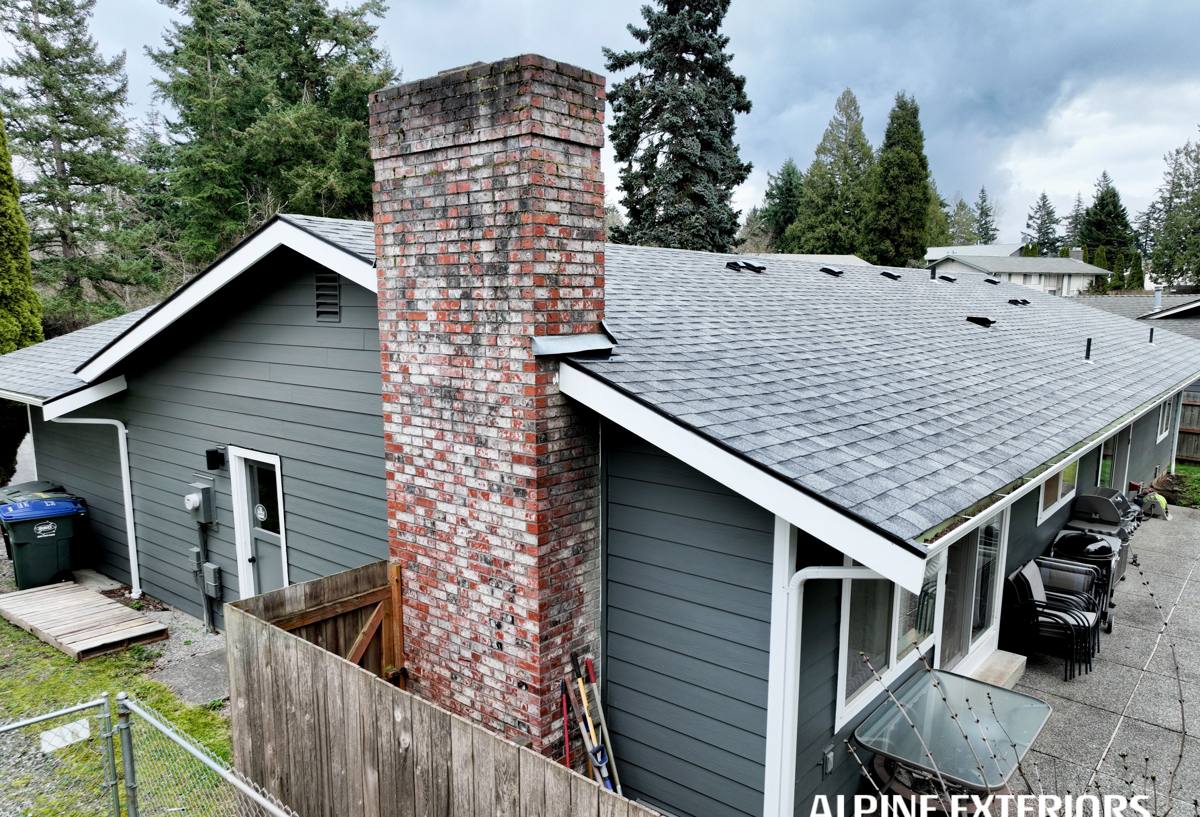
How to Tell Your Mill Creek Home Needs Siding Replaced, Not Just Patched
Not every siding problem needs a full replacement. But in a coastal-adjacent climate, small issues tend to point to bigger ones underneath. Here's what we look for before recommending replacement over repair:
- Soft or spongy spots when you press on the siding, especially near the bottom courses and around window and door trim
- Visible cupping, buckling, or lap separation after wind events
- Paint that's failing in patches rather than evenly — often a sign of moisture trapped behind the panel
- Rust staining or corrosion around fasteners and trim edges
- A musty smell or visible mold near interior walls that back up to exterior siding
- Siding that's more than 20-25 years old, regardless of visible condition, particularly on the sides of the home that face prevailing wind and afternoon sun
If you're seeing two or more of these, it's worth having someone open up a section and look at the sheathing and house wrap, not just the visible surface. That inspection is part of any estimate we do in the Mill Creek area.
Why Age Alone Matters Here
In a lot of the country, siding can coast well past 25-30 years on looks alone. In this part of Florida, UV exposure breaks down caulk, sealants, and lower-grade finishes faster, while salt air accelerates corrosion of fasteners and trim hardware. A siding system that's rated for a milder climate often reaches the end of its practical service life here well ahead of its stated lifespan.
What a Correct Siding Replacement Actually Involves
A siding replacement is only as good as what happens before the new panels go up. Skipping steps here is the single biggest reason siding fails early in coastal wind zones.
Full Tear-Off and Substrate Inspection
We remove the existing siding down to the sheathing, not just over it. This is the only way to find rot, delaminated OSB, or compromised framing before it's sealed behind a new wall. Covering over hidden damage is the most common shortcut in this trade, and it's the one that costs homeowners the most down the road.
Repair Before Recover
Any damaged sheathing or framing gets repaired or replaced before anything else happens. There's no version of a correct siding job that installs new cladding over rotted substrate.
Weather-Resistive Barrier and Flashing
A properly lapped house wrap or building paper, correctly integrated with window and door flashing, is what actually keeps wind-driven rain out of the wall assembly. Siding sheds the bulk of the water; the barrier behind it handles what gets past. In a climate where storms push rain horizontally, this layer is not optional.
Fastening for Wind Zone
Manatee County sits in a high-velocity hurricane zone, which means fastener type, spacing, and embedment matter more here than in most of the country. Manufacturer installation instructions specify fastening patterns rated for local wind pressures, and following them is what actually keeps siding attached during a storm — not just the material itself.
Finish and Detailing
Corner treatments, trim, caulking at penetrations, and paint or factory finish all affect how well the assembly resists moisture intrusion over time. This is where a rushed job shows up first — usually within a year or two.
Why We Install Only James Hardie Fiber Cement
We made a standing decision as a company to install James Hardie fiber cement siding exclusively, and we don't deviate from that in Mill Creek or anywhere else we work. That's not a marketing position — it's a response to what we've seen this climate do to other materials over time.
Vinyl siding is affordable and easy to install, but it softens and can distort in extended high heat, and it has documented wind-resistance limits that some manufacturers rate below the pressures Manatee County can see in a hurricane. Wood-based and engineered wood products depend heavily on paint maintenance and sealed edges to resist moisture; once that maintenance schedule slips, especially under constant UV and humidity, deterioration can move faster than homeowners expect. These aren't defects exactly — they're trade-offs that show up more aggressively in a climate like this one.
James Hardie fiber cement is non-combustible, dimensionally stable under heat and humidity swings, and available in HZ5 formulation engineered specifically for climates with sustained moisture exposure — which fits this region. The factory-applied ColorPlus finish is baked on under controlled conditions and backed by a substantial finish warranty, which matters in a place where field-applied paint takes a beating from UV. It's also backed by a strong, transferable product warranty when installed to Hardie's specifications — which is exactly what our crews are trained to follow.
How the Options Compare in This Climate
| Factor | James Hardie Fiber Cement | Vinyl Siding | Wood / Engineered Wood |
|---|---|---|---|
| Wind resistance | Engineered and rated for high-velocity zones when properly fastened | Varies by product; can be limited compared to hurricane-zone needs | Structurally sound but edge and fastener integrity is maintenance-dependent |
| UV / heat stability | Dimensionally stable; factory finish resists fading | Can soften, warp, or fade under sustained heat | Paint film breaks down under UV; needs repainting on a cycle |
| Moisture behavior | Resists moisture intrusion; HZ5 formulated for humid climates | Doesn't absorb moisture but can trap it behind panels if installed poorly | Vulnerable to rot if paint/sealant maintenance lapses |
| Salt air exposure | Does not corrode; finish holds up well near coastal air | Generally stable but can chalk over time | Fasteners and edges are more exposed to corrosion and swelling |
| Combustibility | Non-combustible | Combustible | Combustible |
Our Process for a Mill Creek Siding Replacement
- On-site assessment — We walk the exterior, check problem areas you've flagged, and look at sun and wind exposure on each elevation.
- Test opening — Where needed, we open a small section to check sheathing and house wrap condition before finalizing scope.
- Written estimate — You get a clear scope: what's being torn off, what substrate repair (if any) is included, the Hardie product and profile selected, and the timeline.
- Tear-off and substrate repair — Old siding comes off, damaged sheathing or framing gets addressed, and the wall is inspected before anything new goes up.
- Weather barrier and flashing installation — Properly lapped and integrated at every window, door, and penetration.
- Hardie installation — Installed to manufacturer fastening and clearance specifications for this wind zone.
- Final detailing and walkthrough — Trim, caulking, and finish work completed, followed by a walkthrough with you before we consider the job done.
What Siding Replacement Typically Costs in Mill Creek
Every home is different, so we don't quote firm numbers without seeing the property, but these are the factors that move the price up or down on most Mill Creek jobs:
| Cost Factor | Why It Matters |
|---|---|
| Home size and number of stories | More square footage and elevation height directly increase material and labor time |
| Substrate condition | Rotted sheathing or framing found during tear-off adds repair work not visible from the outside |
| Existing siding removal | Multiple layers of old siding or difficult removal (e.g., old stucco-over-siding) add labor |
| Trim and architectural detail | Homes with more corners, dormers, or trim work take longer to detail correctly |
| Hardie product line selected | Lap siding, panel systems, and shingle-style profiles carry different material costs |
| Color and finish choice | Standard ColorPlus color options are generally more cost-efficient than custom field-painted finishes |
The one thing we'd caution against is choosing a contractor based on the lowest bid alone. In this climate, the difference between a correct installation and a shortcut one usually doesn't show up for a year or two — by which point it's a much more expensive fix.
Why Hiring a Crew That Already Works in Mill Creek Matters
Siding installation isn't one-size-fits-all across Florida, let alone across the country. A crew that regularly works in Mill Creek and the surrounding Bradenton area already understands the wind exposure patterns specific to this part of Manatee County, knows what permitting and inspection process to expect locally, and has a realistic sense of how salt air and humidity behave on homes in this specific area versus inland. That local repetition matters — it's the difference between a crew following a manufacturer's manual for the first time and one that's applied it dozens of times on homes facing the same conditions yours does.
It also matters for follow-through. A local crew is accountable to the neighborhood it works in. If a question comes up after the job is done — about warranty registration, a piece of trim, or how the siding is holding up after the first storm season — you're not chasing down a company that packed up and left the state.
Get a Straightforward Look at Your Siding
If you're weighing whether your Mill Creek home needs a full siding replacement or just targeted repair, we're happy to take a look and give you an honest answer either way. Fill out the form below for a free, no-pressure estimate — we'll walk the exterior, tell you what we find, and lay out what a correct James Hardie installation would involve for your home.