 Bradenton Siding
 Siding Replacement in Parrish, Florida
Parrish sits in the fast-growing northeast corner of Manatee County, a mix of newer subdivisions, established ranch-style homes, and everything in between. Whether your house was built five years ago or thirty, the siding on it is doing the same job: keeping wind-driven rain out, holding paint and color through relentless sun, and standing up to the tropical storms and hurricanes that pass through this part of Florida almost every season. When that siding starts to fail — through cracking, buckling, soft spots, or just looking tired years before it should — replacement isn't a cosmetic upgrade. It's a way to close off the entry points where water and pests get into the structure of the home.
This page covers what siding replacement actually involves for a Parrish home, what the local climate demands from the material and the installation, and why we've built our business around installing one product system rather than offering every option on the market.
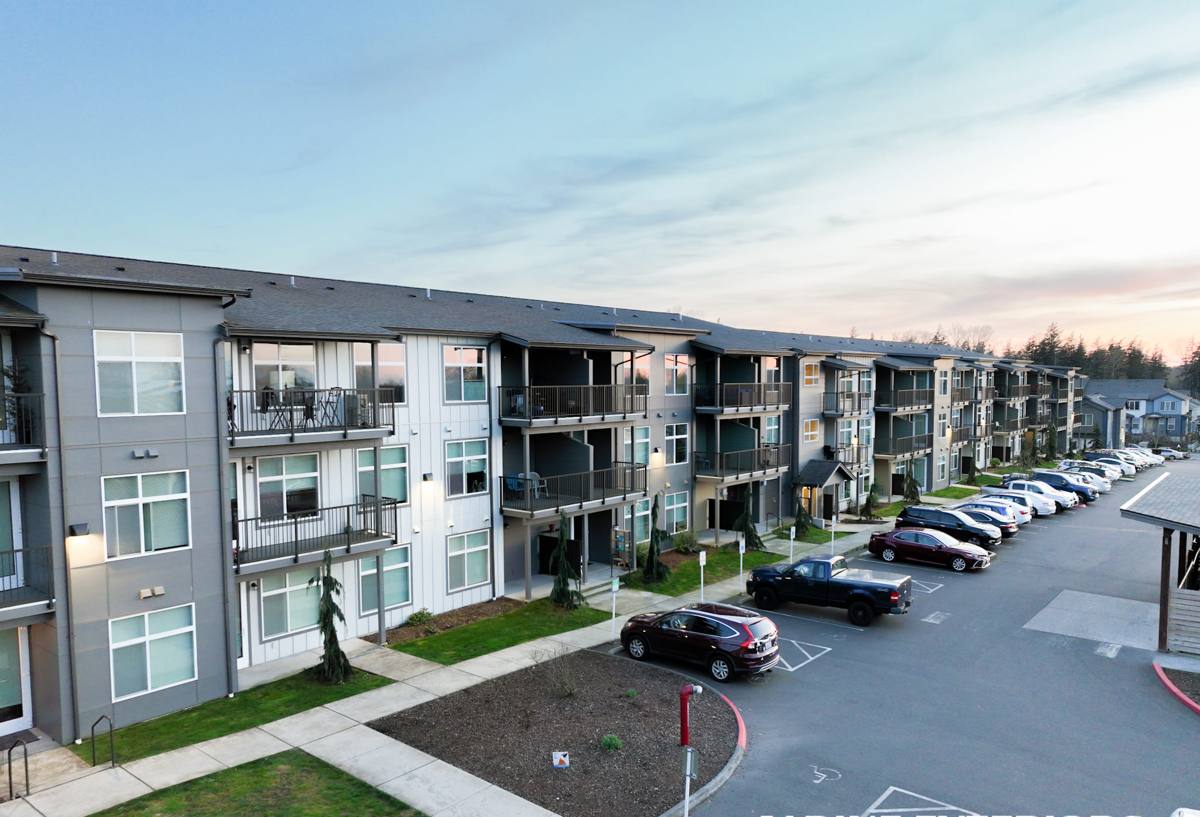
What Parrish's Climate Demands From Siding
Manatee County doesn't give exterior building materials an easy life. A handful of conditions show up on nearly every siding inspection we do in this area:
- Hurricane-force wind: Even homes well inland from the coast take direct hits and near-misses from tropical systems most years. Siding has to stay fastened and intact under sustained wind loads and windborne debris, not just look good on a calm day.
- Wind-driven rain: Florida storms rarely fall straight down. Rain gets pushed sideways into wall assemblies, which means seams, laps, and flashing details matter as much as the siding material itself.
- Intense, year-round UV: Florida sun is harsh on painted and coated surfaces twelve months a year, not just in summer. Cheaper coatings chalk, fade, and break down faster here than they would in a milder climate.
- Heat and humidity: Constant moisture in the air, combined with heat, creates ideal conditions for rot and mold wherever water gets trapped behind or inside siding that isn't sealed correctly.
- Salt air influence: Parrish is inland relative to the barrier islands, but Manatee County as a whole sits close enough to the Gulf that salt-laden air still reaches inland neighborhoods, especially during onshore wind events. It's a slower, quieter form of wear than what beachfront homes see, but it still accelerates corrosion of fasteners and breakdown of lower-grade materials over time.
None of these factors are unique to Parrish, but together they explain why siding that performs fine in other parts of the country often underperforms here — and why the choice of material matters more in this climate than in most.
Signs a Parrish Home Needs Siding Replacement
Not every siding problem calls for full replacement — sometimes a repair or recaulking is enough. But certain signs point to a system that has failed and needs to come off:
- Visible cracking, splitting, or buckling across multiple boards or panels
- Soft, spongy spots when you press on the siding, indicating moisture damage underneath
- Paint that's chalking, peeling, or fading unevenly within just a few years of a repaint
- Streaking or dark staining near seams, corners, or below windows
- Visible gaps, warping, or separation at the seams and butt joints
- Pest activity — carpenter ants, termites, or woodpeckers targeting soft or rotted sections
- A noticeable jump in cooling bills, which can mean compromised siding is letting heat and moisture into the wall cavity
- Siding that's simply reached the end of its expected service life, even if it "looks okay" from the street
If you're seeing two or more of these, it's worth having someone look at the wall assembly, not just the surface.
Why We Install Only James Hardie Fiber Cement
We don't offer vinyl siding, LP SmartSide, Cemplank, Allura, or primed wood products like spruce or cedar lap. That's a deliberate standard, not a limitation of what we're capable of installing.
Vinyl is affordable and low-maintenance, but it's a plastic product that softens, warps, and can crack in high heat and impact events — exactly the conditions Manatee County produces regularly. Engineered wood products like LP SmartSide use wood strand cores that, while treated, remain wood at their core: if the factory coating is ever compromised at a cut edge, fastener hole, or seam, moisture intrusion becomes a real risk in a climate this wet and humid. Other fiber cement competitors to Hardie exist, but we've standardized on James Hardie specifically because of its long track record, the depth of its ColorPlus factory-finish system, and the way its HZ5 product line is engineered for exactly this kind of high-humidity, high-UV, storm-prone environment.
James Hardie fiber cement is non-combustible, dimensionally stable in heat and humidity, and backed by a strong transferable warranty when installed to the manufacturer's specifications. It doesn't rot, and it doesn't attract termites or woodpeckers looking for a soft meal. For a Parrish home taking on direct sun, storm winds, and salt-tinged air year after year, that combination is why it's the only system we put our name behind.
Material Comparison
| Factor | James Hardie Fiber Cement | Vinyl Siding | Engineered Wood (LP-type) |
|---|---|---|---|
| Moisture resistance | Excellent — cement-based, doesn't rot | Good surface resistance, but seams can trap water | Good if coating stays intact; vulnerable at breaches |
| Wind/impact resistance | High — rigid, holds fasteners well | Can crack or blow off in high winds | Moderate; dents and impact damage possible |
| UV/fade resistance | Strong — factory ColorPlus finish | Fades and chalks over time in intense sun | Depends on coating maintenance |
| Fire resistance | Non-combustible | Combustible | Combustible (wood-based core) |
| Maintenance | Low — occasional caulk/paint touch-up | Low, but limited repair options once damaged | Moderate — coating upkeep matters |
| Typical lifespan | 30+ years with proper install | 20-30 years, variable | 20-30 years, coating-dependent |
What a Correct Siding Replacement Job Involves
Replacing siding correctly is a sequence, and skipping steps is where most premature failures start:
- Full removal of old siding — not overlaying new material on top of old, which traps moisture and hides existing damage.
- Inspection of the wall sheathing for rot, soft spots, or prior water intrusion, with repairs made before anything new goes up.
- Correct weather-resistive barrier installation — the house wrap and flashing details behind the siding matter as much as the siding itself, especially for stopping wind-driven rain.
- Proper flashing at windows, doors, and penetrations so water is directed out and away, not into the wall cavity.
- Installation to manufacturer specification — correct fastener type, spacing, and nailing pattern for the wind zone, plus proper clearances at grade and roof lines.
- Factory-finished color installed as designed, with field-applied caulking and touch-up only where the manufacturer calls for it.
- Final inspection of seams, corners, and trim before cleanup and walkthrough.
Any one of these steps done wrong can shorten the life of even the best siding material. This is why installation quality matters at least as much as brand selection.
Our Process for Parrish Homeowners
Parrish's mix of newer planned communities and older individual lots means every project has its own wrinkles. Homes in newer developments often fall under HOA architectural guidelines that dictate approved colors and styles, so we account for that during the estimate and design conversation rather than after materials are ordered. Older homes on individual lots may need more sheathing repair work uncovered once the old siding comes off, since prior installations weren't always sealed to today's standards.
Either way, the process looks the same: an on-site inspection and measurement, a written estimate that spells out material, labor, and scope, a color and style selection from the James Hardie lineup, a scheduled installation window, and a walkthrough when the job is done. We pull the required permits through Manatee County and coordinate any inspections along the way.
Typical Cost Factors
| Factor | Why It Matters |
|---|---|
| Home size and wall complexity | More square footage, dormers, and corners mean more material and labor |
| Extent of sheathing repair needed | Hidden rot or water damage found after old siding is removed adds scope |
| Siding profile and style | Lap siding, shingle-style panels, and trim details vary in material and install time |
| Trim and accessory work | Fascia, soffit, and trim replacement alongside siding affects total cost |
| HOA or design requirements | Approved color palettes or specific styles may narrow or dictate material selection |
Why Hiring a Crew That Already Works in Parrish Matters
Installation quality is what determines whether siding lasts its full expected lifespan or fails early. A crew that regularly works in Manatee County already understands the wind-load requirements that apply here, knows how the Manatee County permitting process runs, and has seen firsthand how the mix of heat, humidity, and storm exposure plays out on real homes over time — not just in a manufacturer's spec sheet. That local, repeated experience shows up in the details: how flashing gets tied into existing rooflines, how fastener patterns get adjusted for wind exposure, and how a job gets sequenced around Florida's rainy season so the home isn't left exposed longer than necessary.
A contractor unfamiliar with the area is starting from zero on all of that. For a job that needs to hold up against the next hurricane season, that difference matters.
If your Parrish home is showing signs of siding wear or you're planning ahead of the next storm season, we're happy to take a look and walk you through what we find. Reach out for a free, no-pressure estimate — there's a form right below to get started.