 Bradenton Siding
 Village of the Arts: A Neighborhood With Its Own Siding Challenges
Village of the Arts sits close to downtown Bradenton and has built its identity around older, character-filled homes — many of them small- to mid-century bungalows and frame houses that have been repainted, repurposed as studios and galleries, and lived in hard for decades. That history is part of what makes the neighborhood special, but it also means the siding on a lot of these homes is older than what you'll find in a newer Manatee County subdivision. Original wood board siding, older repairs, and layers of paint are common. Replacing siding here isn't a one-size-fits-all job — it has to respect the age and style of the house while actually solving the moisture and wind problems that Gulf Coast weather causes.
We work in this neighborhood regularly, which matters more than it sounds. Narrow lots, close-set houses, on-street parking, and homes where the studio space and the living space share one exterior all change how a crew stages material, protects walkways, and sequences the work. A contractor who's never worked Village of the Arts before is learning those logistics on your job. We've already learned them.
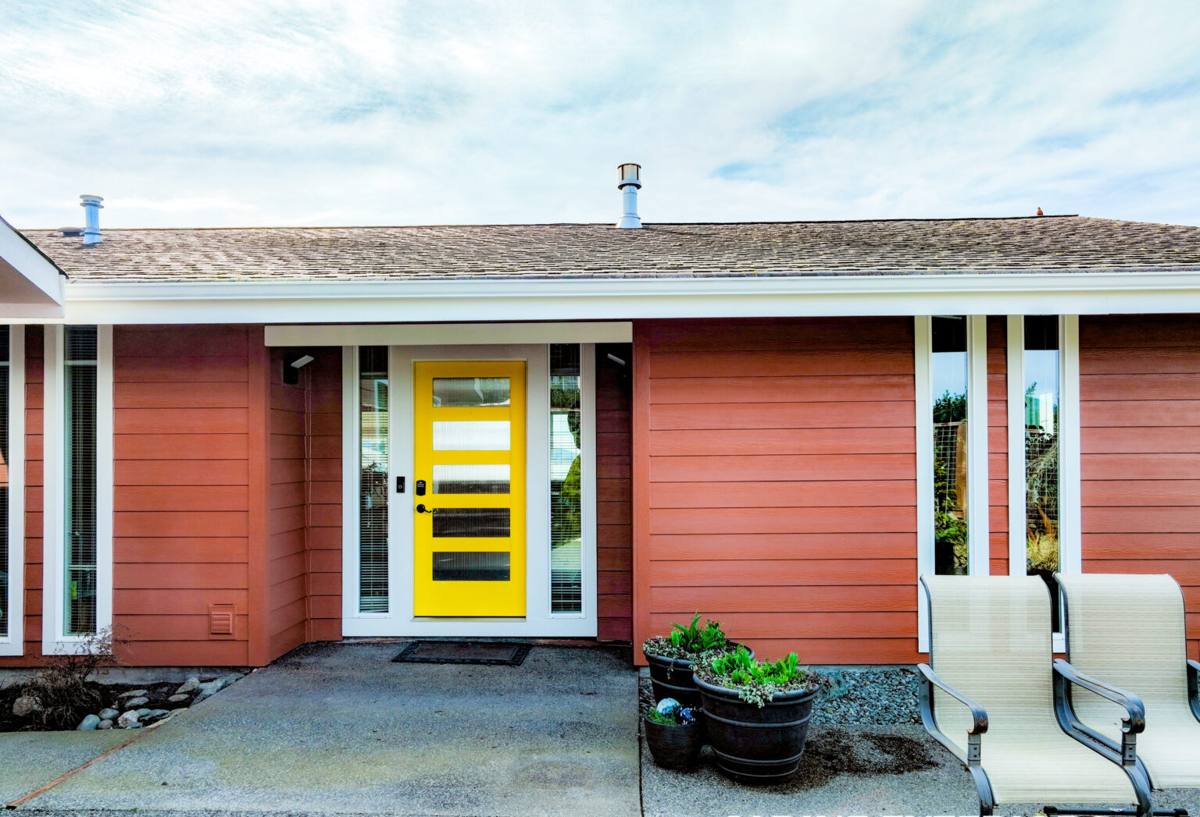
What Bradenton's Climate Actually Does to Siding
Manatee County sits in a stretch of Florida that gets the full package: hurricane-force wind events, intense sun nearly year-round, wind-driven rain that gets pushed sideways into wall assemblies, and salt-laden air off the Gulf and Tampa Bay. Each one attacks siding differently.
- Wind: Uplift and impact loads test every fastener and every seam. Siding that isn't installed to the manufacturer's wind-rated fastening schedule can loosen or fail years before it should, and often does so first at corners and edges.
- UV exposure: Constant sun bakes paint and breaks down lesser materials from the outside in, leading to fading, chalking, and surface checking.
- Wind-driven rain: Florida storms don't just fall straight down — they drive water horizontally into laps, joints, and trim intersections. Any gap in flashing or house wrap becomes an entry point.
- Salt air: Airborne salt accelerates corrosion of fasteners and hardware and adds a slow chemical stress on any material not built to handle it, even miles inland from the coast.
None of this is unique to Village of the Arts — it's the reality for Bradenton and Manatee County generally. But older housing stock, like a lot of what's in this neighborhood, has usually had less opportunity to be updated with modern moisture barriers and fastening standards, so the effects tend to show up sooner and more visibly.
Why Older Homes in This Neighborhood Need Extra Attention
When we tear off old siding on a house in this part of Bradenton, we're not just looking at the outer material — we're looking at what's happened underneath it for the last several decades. Original sheathing may have absorbed moisture over the years. Old building paper or felt may be brittle or missing in spots. Window and door flashing installed decades ago may never have been correct to begin with. None of that is visible from the street, and none of it gets fixed by simply screwing new siding over the old problem.
This is exactly why we treat every replacement as a full wall-assembly job, not a cosmetic swap. If the sheathing underneath is compromised, replacing the siding without addressing it just locks the same moisture problem behind a newer face.
What a Correct Siding Replacement Actually Involves
A proper siding replacement in this climate is a sequence, and skipping steps is how houses end up with the same rot or wind failures a few years later. Here's what should happen, in order:
- Full tear-off of the old siding and trim, not an overlay.
- Inspection of the sheathing for soft spots, water staining, or rot, with any damaged sections repaired or replaced before anything new goes up.
- A continuous, correctly lapped weather-resistive barrier installed to shed water downward and outward, not trap it.
- Proper flashing at every window, door, and roof-to-wall intersection — the single most common failure point on older Florida homes.
- Manufacturer-specified fastening — the right fastener type, spacing, and embedment for the wind zone the house sits in, not a generic nail pattern.
- Correct joint and trim treatment, including sealed butt joints and properly flashed trim boards, so wind-driven rain has nowhere to get behind the wall.
- Factory-finished siding installation so the color and finish are baked on in a controlled environment, not applied on site where humidity and temperature swings affect cure quality.
Every one of these steps matters more in a coastal, storm-exposed county than it would somewhere inland and dry. Cutting any of them out is how "new siding" ends up looking tired again in five years instead of twenty.
Siding Material Snapshot for Manatee County Homes
Homeowners in Village of the Arts often ask what's actually different between the material options once you look past appearance. Here's a straightforward comparison based on how these materials generally perform in a wind, sun, and salt-air environment:
| Material | Wind/Impact Resistance | Moisture & Rot Behavior | Color/Repaint Needs | Typical Long-Term Upkeep |
|---|---|---|---|---|
| Original wood board siding (common on older homes here) | Moderate; depends heavily on condition and fastening age | Absorbs moisture; prone to rot without diligent upkeep | Needs repainting every few years | High — regular scraping, caulking, repainting |
| Vinyl siding | Can crack or blow off in high wind if not rated and installed correctly | Doesn't rot, but can trap moisture behind it if house wrap fails | Color is baked in but fades over time and can't be effectively repainted | Low, but impact and heat-warping are ongoing concerns |
| Engineered wood products | Generally solid when new | Vulnerable to moisture intrusion at cut edges and joints if not sealed exactly to spec | Needs repainting on a schedule | Moderate to high — installation sensitivity is the main risk |
| James Hardie fiber cement (what we install) | Engineered and tested for high-wind regions, with HZ product lines built for climates like this one | Non-combustible, doesn't rot, holds up to humidity and salt air far better than wood-based products | ColorPlus factory finish resists fading; no repainting needed for years | Low — periodic cleaning and inspection of caulk lines |
We standardized on James Hardie because it's engineered specifically for the punishment coastal Florida delivers — not because it's the only option on the market, but because it's the one we're comfortable putting our name behind after seeing how the alternatives age in this exact climate.
How We Handle a Village of the Arts Job
Because we've worked this neighborhood before, our approach accounts for things a crew from outside the area might not think about until they hit them:
- Tight lot lines and close-set homes mean material staging and debris containment get planned before the first piece of old siding comes off, not improvised on day one.
- Many homes here double as working studios or galleries — we coordinate scheduling around that so the property stays usable during the job.
- Color matters more in this neighborhood than in most. James Hardie's ColorPlus finish comes in a wide range of factory colors, which gives homeowners here the flexibility to keep a house's character intact without sacrificing the durability of a factory finish.
- We pull the correct permits through the appropriate local building department before work starts — never a shortcut worth taking on a wind-exposed coastal home.
A Checklist Before You Hire Anyone
Whether you call us or another contractor, these are the questions worth asking before signing anything for a siding replacement in this area:
- Will you do a full tear-off, or is this an overlay on the existing siding?
- Who inspects the sheathing once the old siding is off, and what happens if it's damaged?
- What house wrap or weather barrier product are you using, and how is it lapped?
- What's the fastening schedule, and is it rated for this wind zone?
- Is the flashing detail at windows and doors included in the written scope, not just assumed?
- Is the siding factory-finished, or will it be field-painted on site?
- What warranty applies to the material, and what warranty applies to the labor?
- Are you pulling permits, and have you worked in this neighborhood before?
Why a Crew That Already Works This Neighborhood Matters
Siding replacement done right depends as much on the judgment calls made once the old material is off the wall as it does on the product itself. A crew that's already spent time on Village of the Arts homes has seen how this specific housing stock was built, where the recurring trouble spots tend to show up, and how to keep a job moving efficiently on a tight urban lot. That familiarity translates directly into fewer surprises, fewer change orders, and a wall assembly that's actually built to handle Manatee County's wind, rain, sun, and salt — not just one that looks new for the first year.
If you're weighing a siding replacement for a home in Village of the Arts, we're happy to take a look and talk through what your house specifically needs. There's no pressure and no obligation — just a straightforward, honest estimate from a crew that already knows this neighborhood. Fill out the form below to get started.