 Bradenton Siding
 Siding Repair in Southgate: Why It's Different Here
Southgate homes sit in one of Bradenton's older, established residential pockets, which means a lot of the siding on these streets has already been through a decade or more of Gulf Coast weather. That matters, because siding repair in Manatee County isn't the same job as siding repair in a dry inland climate. Between hurricane-force wind events, intense year-round UV exposure, wind-driven rain that gets pushed sideways into wall assemblies, and the slow corrosive effect of salt air drifting in off Tampa Bay and the Gulf, siding here takes on damage in ways that a lot of national "siding repair" advice simply doesn't account for.
A repair that looks fine from the curb but doesn't address what's happening behind the panel is not a repair — it's a delay. Our approach in Southgate is built around diagnosing the actual cause of the damage first, then fixing it in a way that holds up through the next storm season, not just the next inspection.
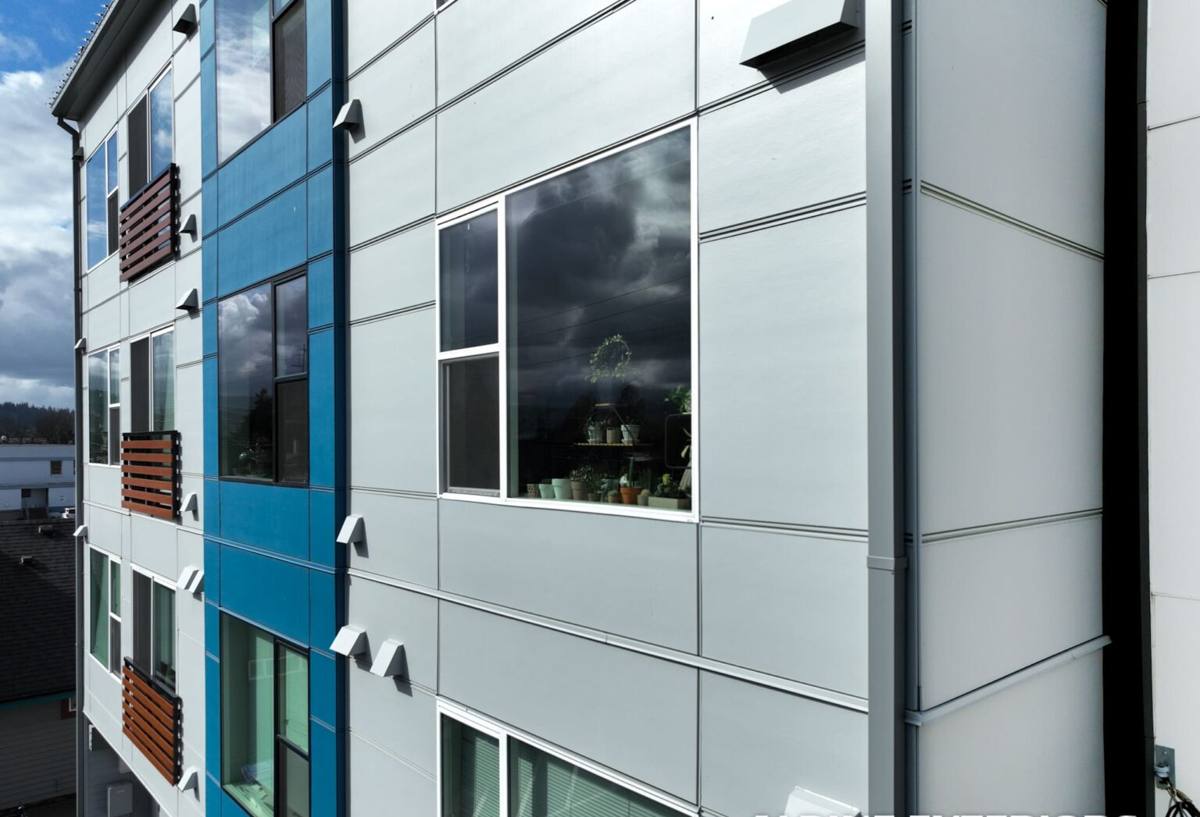
What Actually Damages Siding in This Part of Bradenton
Wind and Wind-Driven Rain
Bradenton sits well within Florida's hurricane wind belt, and even a storm that never makes landfall nearby can push sustained gusts strong enough to flex siding panels, work fasteners loose, and drive rain sideways under laps and trim that weren't sealed correctly to begin with. Once water gets behind the cladding, the damage often isn't visible until it's already done — swollen sheathing, stained interior walls, or soft spots around window and door trim.
UV Exposure
Florida sun is relentless, and siding facing south and west takes the worst of it. UV breaks down paint film, dries out caulk joints, and on lower-grade materials it can cause fading, chalking, and surface degradation over time. Repairs on sun-exposed elevations need to account for this — a patch that isn't UV-stable will look mismatched within a year or two.
Salt Air
Southgate isn't beachfront, but Bradenton's proximity to Tampa Bay and the Gulf still puts homes here in a salt-influenced air environment. Salt accelerates corrosion on exposed fasteners, hinges, and any metal trim or flashing, and it can quietly degrade materials that weren't engineered for coastal exposure. This is one of the most overlooked causes of premature siding failure in this area — everyone plans for the storm, fewer people plan for the slow daily exposure.
Signs a Southgate Home Needs Siding Repair
Most siding problems give warning signs well before they turn into a bigger issue. If you're not sure whether what you're seeing is cosmetic or structural, this is a good starting checklist:
- Panels that are cracked, split, or visibly bowed away from the wall
- Soft or spongy spots when you press on the siding near the bottom edge or around windows
- Peeling, bubbling, or chalking paint, especially on south- and west-facing walls
- Visible gaps at seams, corners, or where siding meets trim, window frames, or the roofline
- Discoloration or streaking that suggests water is tracking behind the surface rather than running off it
- Rust staining around fasteners or metal flashing
- A musty smell or visible mold near interior walls that back up to exterior siding
- Loose or rattling panels after windy weather
Any one of these on its own might be minor. Several together, especially near the same section of wall, usually mean water has already found a way in.
What a Correct Repair Actually Involves
A siding repair done right isn't just "replace the damaged piece and move on." It has to answer three questions: why did this section fail, is there hidden moisture damage behind it, and will the fix match and perform as well as the surrounding material.
Diagnosis Before Demolition
Before we pull a single panel, we look at what's around it — flashing, house wrap, window and door seals, and the sheathing underneath if there's any sign of water intrusion. Replacing a cracked panel over rotted sheathing just hides the real problem for a while.
Matching the Existing Material
Repairs need to match the reveal, profile, and finish of what's already on the wall, or the patch will stand out permanently. This is one of the biggest practical differences between repairing James Hardie fiber cement and repairing some of the other materials found on older Southgate homes — colors, textures, and product lines vary enough between manufacturers and eras that an exact match isn't always possible, especially on discontinued profiles.
Proper Flashing and Sealing
Every repair is an opportunity to correct whatever let water in the first time — that means proper flashing at penetrations, correctly lapped house wrap, and sealant used only where it belongs (siding systems are designed to shed water, not rely on caulk as the primary barrier).
Fastening for Wind Exposure
Given the wind loads this area sees, repaired sections get fastened to the same standard as new installation — correct fastener type, spacing, and penetration — not just enough to hold the piece in place cosmetically.
Why the Siding Material Affects How Repairable a Home Is
Not all siding ages, or repairs, the same way. This matters a lot in a neighborhood like Southgate where homes span different decades and original builders may have used different products. Here's an honest comparison of how common materials hold up to repair in a climate like Bradenton's:
| Material | How It Handles Coastal/Storm Exposure | Repair Considerations |
|---|---|---|
| James Hardie fiber cement | Non-combustible, engineered for wind and moisture resistance, factory-baked ColorPlus finish resists fading | Consistent product lines and colors make matching new sections to existing siding far more reliable |
| Vinyl siding | Can warp, crack, or become brittle under intense UV and can be blown loose in high wind if not rated and installed correctly | Colors fade unevenly over time, so patched sections often look visibly different within a few years |
| LP SmartSide (engineered wood) | Vulnerable to moisture intrusion at cut edges and seams if the factory seal is compromised | Water damage often spreads past the visibly failed panel, requiring wider replacement than expected |
| Primed spruce or cedar | Natural wood movement plus Florida humidity and UV puts continuous stress on paint film and joints | Requires more frequent maintenance and repainting to keep repaired sections protected |
This is a big part of why we standardized on James Hardie fiber cement for the homes we install and repair: it's engineered specifically for the moisture, UV, and wind conditions Southgate homes actually face, and its product consistency makes long-term repairs and touch-ups far more predictable than mixing materials or chasing discontinued colors.
Our Repair Process
- Inspection. We walk the exterior, check the damaged area and surrounding sections, and look for signs of hidden moisture, not just the obvious visible damage.
- Diagnosis and honest recommendation. We tell you plainly whether this is a spot repair, a larger section replacement, or in some cases a sign that a broader re-side conversation is worth having — we don't upsell repairs into replacements that aren't needed, and we don't patch over something that needs more attention.
- Prep and removal. Damaged material comes off carefully so we can inspect the wall assembly underneath before closing it back up.
- Correct the root cause. Flashing, house wrap, or sealant issues get fixed as part of the repair, not left for next time.
- Install and finish. New material is fastened to spec and finished to match as closely as the product allows.
- Final walk-through. We show you what we found and what we did about it, in plain language.
Why a Crew That Already Works Southgate Matters
Siding repair isn't just a technical skill — it's a local one. A crew that regularly works in Southgate and the surrounding Bradenton area already understands how homes here were typically built, what exposure each elevation tends to see, and how Manatee County's permitting and building code requirements apply to exterior repair work. That familiarity shows up in small but important ways: knowing what to check for on homes of a certain age, understanding how wind and rain typically move through this part of the county, and not treating every job like it's the first coastal Florida home we've ever touched.
It also means faster, more accurate estimates. When we're not guessing at regional conditions, we can tell you sooner whether you're looking at a straightforward patch or something that needs a closer look.
What Drives Siding Repair Cost
Every repair is different, but the cost of a job is generally driven by a handful of factors. This table won't give you a number, but it will help you understand what you're actually paying for:
| Factor | Why It Matters |
|---|---|
| Extent of hidden damage | Water damage found behind the visible panel often expands the scope beyond the original complaint |
| Material match availability | Matching an existing color and profile is faster and cheaper than sourcing a discontinued product |
| Access and elevation | Second-story sections, tight side yards, or areas near landscaping affect labor time |
| Underlying cause | A simple impact crack is a different job than repeated flashing or sealing failures |
| Scope: patch vs. section replacement | Isolated damage may need one panel; storm or long-term moisture damage may call for a wider section |
Get an Honest Look at Your Southgate Home
If you've noticed cracked, loose, or discolored siding on your Southgate home, it's worth having someone look at it before the next round of Florida weather makes the problem bigger. We'll give you a straight assessment of what's actually going on, what it will take to fix it correctly, and what your options are — no pressure, no upsell. Request a free estimate using the form below and we'll take it from there.