 Bradenton Siding
 Southgate Homes Face More Than the Average Window Job
Southgate is one of Bradenton's older, established residential pockets, which means a lot of the homes here were built with window systems that were perfectly adequate decades ago but were never designed for the wind loads, humidity swings, and sun exposure Manatee County sees today. Single-pane aluminum sliders, builder-grade vinyl from a remodel in the 90s, or windows that have simply outlived their sealants are common. None of that is a knock on the original installers — building codes and materials have changed a lot, and what passed inspection then wouldn't pass now.
When we work in Southgate, we're not treating it as a generic Bradenton address. Lot sizes, home ages, and how close a house sits to mature tree canopy or open exposure all affect what a window replacement needs to account for — from bracing during install to how much shade a window gets during the worst of summer UV.
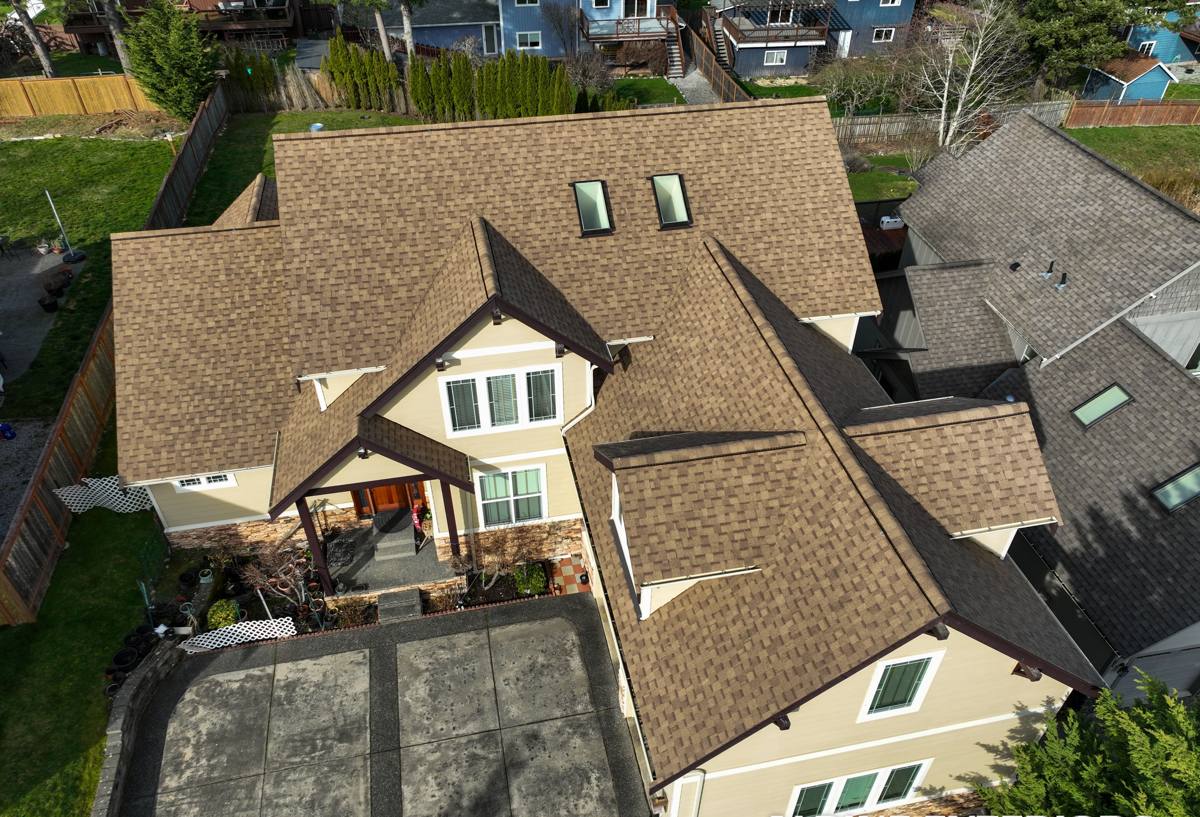
What Bradenton's Climate Actually Does to a Window
Four things wear out windows faster here than almost anywhere else in the country, and any honest replacement plan has to be built around all four, not just the one that's most visible.
Hurricane-Force Wind and Wind-Borne Debris
Manatee County sits in Florida's wind-borne debris region, which means the Florida Building Code requires new and replacement windows to either be impact-rated or paired with code-compliant shutters. Wind doesn't just risk shattering glass — sustained pressure differentials during a storm can rack a weak frame, pull anchors loose, or blow out a window that looks fine but was installed without proper fastening depth.
Year-Round UV Exposure
Florida sun is intense nearly twelve months a year, not just in summer. UV breaks down vinyl frames, yellows old low-E coatings, and dries out glazing seals from the outside in. A window that looks structurally sound can still be leaking energy and letting in heat because the seal has failed from sun exposure alone.
Wind-Driven Rain
Bradenton storms rarely fall straight down. Wind-driven rain gets pushed sideways into any gap in flashing, sealant, or a poorly shimmed frame, and it doesn't take a hurricane to do it — a strong summer thunderstorm can push water past a marginal install. This is the number one cause of hidden interior water damage we find behind older window trim.
Salt Air
Southgate isn't waterfront, but Manatee County's proximity to the Gulf means salt-laden air travels well inland, especially on onshore wind days. Salt accelerates corrosion on aluminum frames, hardware, and screws, and it degrades weatherstripping faster than inland climates would.
What a Correct Window Replacement Actually Involves
Swapping a window is easy to describe and easy to do poorly. The parts that actually determine whether a window survives its first serious storm season are mostly invisible once the trim goes back on.
- Removing the old unit down to the rough opening and inspecting the framing for rot, moisture damage, or pest damage before anything new goes in
- Correcting any out-of-square or out-of-level openings rather than forcing a new window to fit a bad frame
- Installing house wrap and flashing tape in the correct shingle-lap order so water is always directed outward, never trapped
- Shimming and fastening per the manufacturer's tested installation instructions — not a generic method, since impact-rated windows are only rated as tested, including the fastening pattern
- Sealing with the right sealant for the substrate (stucco, wood, block) rather than one all-purpose caulk for everything
- Confirming the finished install meets or exceeds the wind-load rating required for the home's exposure category
Skipping any one of these doesn't usually cause a problem on day one. It shows up two or three storm seasons later as a soft spot in the drywall, a musty smell, or a window that won't close square anymore.
Impact-Rated vs. Standard Windows: What Actually Changes
Because Manatee County is in the wind-borne debris region, most Southgate replacements are either impact-rated windows or standard windows paired with code-approved shutters. Both are legal paths under the Florida Building Code, but they behave very differently day to day.
| Factor | Impact-Rated Windows | Standard Windows + Shutters |
|---|---|---|
| Storm prep effort | None — always in place | Shutters must be deployed before every storm |
| Upfront cost | Higher per window | Lower window cost, added shutter cost |
| Daily UV/noise reduction | Laminated glass reduces both noticeably | No daily benefit — protection only when shutters are up |
| Appearance | Clean, unobstructed year-round | Shutters visible or stored, depending on style |
| Insurance considerations | Often qualifies for wind mitigation credits | May qualify depending on shutter type and documentation |
We don't push every homeowner toward impact glass — it's a real cost difference, and a well-built standard window with true code-compliant shutters is a legitimate, lower-cost path to the same wind protection. What we do insist on is that whichever path a homeowner picks is installed and documented to actually meet the code requirement, not just look like it does.
Frame Material: Vinyl vs. Aluminum
Both show up throughout Southgate's housing stock, and both have honest trade-offs in this climate. Vinyl doesn't corrode from salt air, but lower-quality vinyl can become brittle under sustained UV if it isn't UV-stabilized. Aluminum handles heat and structural loads well and is common in impact-rated systems, but it needs to be a marine-grade or coated finish to resist salt corrosion over the long run — bare or poorly finished aluminum will pit and streak faster here than in a drier inland market.
How Our Southgate Window Replacement Process Works
- On-site assessment: we walk the home, check existing window condition, framing, and exposure, and talk through what the homeowner actually wants out of the replacement — storm protection, energy cost, noise, or all three
- Product recommendation: impact vs. standard-plus-shutters, frame material, and glass package, laid out with honest cost and maintenance trade-offs, not a one-size answer
- Permitting: we pull the required Manatee County permit and make sure the products specified carry the correct Florida Product Approval or Miami-Dade NOA documentation for this wind zone
- Removal and opening prep: old units come out, framing is inspected and repaired if needed before anything new is installed
- Installation: flashing, fastening, and sealing per the tested manufacturer method for that specific window line
- Final inspection and walkthrough: local permit inspection, then a walkthrough with the homeowner covering operation, care, and warranty paperwork
Permitting in Manatee County: Don't Skip This Step
Window replacement in Bradenton requires a permit, and inspectors are specifically checking that the installed product's approval documentation matches what's installed and that fastening meets the tested pattern. A contractor who offers to "skip the permit to save time" is asking a homeowner to take on liability that should never be theirs — an unpermitted window replacement can complicate a home sale, an insurance claim, or a wind mitigation inspection down the road. Any reputable Bradenton crew should treat pulling the permit as a non-negotiable part of the job, not an upsell.
Why a Crew That Already Works Southgate Matters
A contractor who regularly works this part of Bradenton already has a working sense of the neighborhood's typical construction — the rough opening sizes and framing quirks common to homes of a certain era, how close-set lots affect ladder and crew staging, and which product lines have held up well locally versus which ones create callback issues in this exposure. That familiarity shows up in fewer surprises during the job: fewer unexpected framing repairs discovered mid-install, fewer permit resubmissions from mismatched documentation, and a more accurate initial estimate because the crew isn't guessing at what they'll find behind the old trim.
It also matters after the sale. A crew that's still working in the area next storm season is a crew that's easy to reach if a seal needs a look or a warranty question comes up — not a company that did one job and moved on to a different county.
Questions Worth Asking Before You Sign
- Is the quoted window product rated for our specific wind zone, and can you show the Florida Product Approval number?
- Is the permit included in the price, and who pulls it?
- What fastening and flashing method will be used, and does it match the manufacturer's tested installation instructions?
- What's the warranty on the product versus the labor, and who do I call if either fails?
- Are you licensed and insured to do this work in Manatee County, and can I see current documentation?
- Do you have experience working in Southgate or similar Bradenton neighborhoods specifically?
A contractor who answers these plainly, without hedging or steering the conversation elsewhere, is generally a contractor worth hiring.
Signs Your Southgate Home's Windows Need Replacing Now
Not every window issue means full replacement, but a few signs are worth taking seriously given how hard this climate works on window systems: fogging between panes on double-glazed units (a failed seal that can't be repaired, only replaced), visible daylight or air movement around a closed frame, windows that are difficult to open, close, or lock, and soft or discolored drywall or trim near a window after heavy rain. Any one of these is worth a look before the next storm season, not after.
If you're weighing a window replacement for a Southgate home, we're glad to come take a look and give you a straight, no-pressure estimate — what your current windows actually need, what your realistic options are, and honest numbers to compare. There's a form below to get that started.