 Bradenton Siding
 Anna Maria Island Roofs Work Harder Than Mainland Roofs
Anna Maria Island sits out past the mainland with nothing between it and the Gulf but open water. That position is exactly what makes it beautiful, and exactly why roofs out there take a beating that a roof five miles inland in Bradenton never has to deal with. Every storm season, hurricane-force gusts, wind-driven rain, and salt-laden air work on island roofs at the same time, and between storms the year-round Florida UV keeps breaking down materials that are already stressed. A roof that would hold up fine for twenty years in a shaded mainland neighborhood can start showing real wear on the island in half that time.
Storm damage repair on Anna Maria Island isn't just "mainland roofing with more wind." The salt air changes what fasteners and flashing can survive. The exposure changes how wind loads the roof deck. And the fact that every property is on a barrier island changes access, permitting, and insurance handling after a storm. This page is about what that actually means for a homeowner trying to get a roof repaired correctly after wind or rain damage — not a generic storm repair pitch.
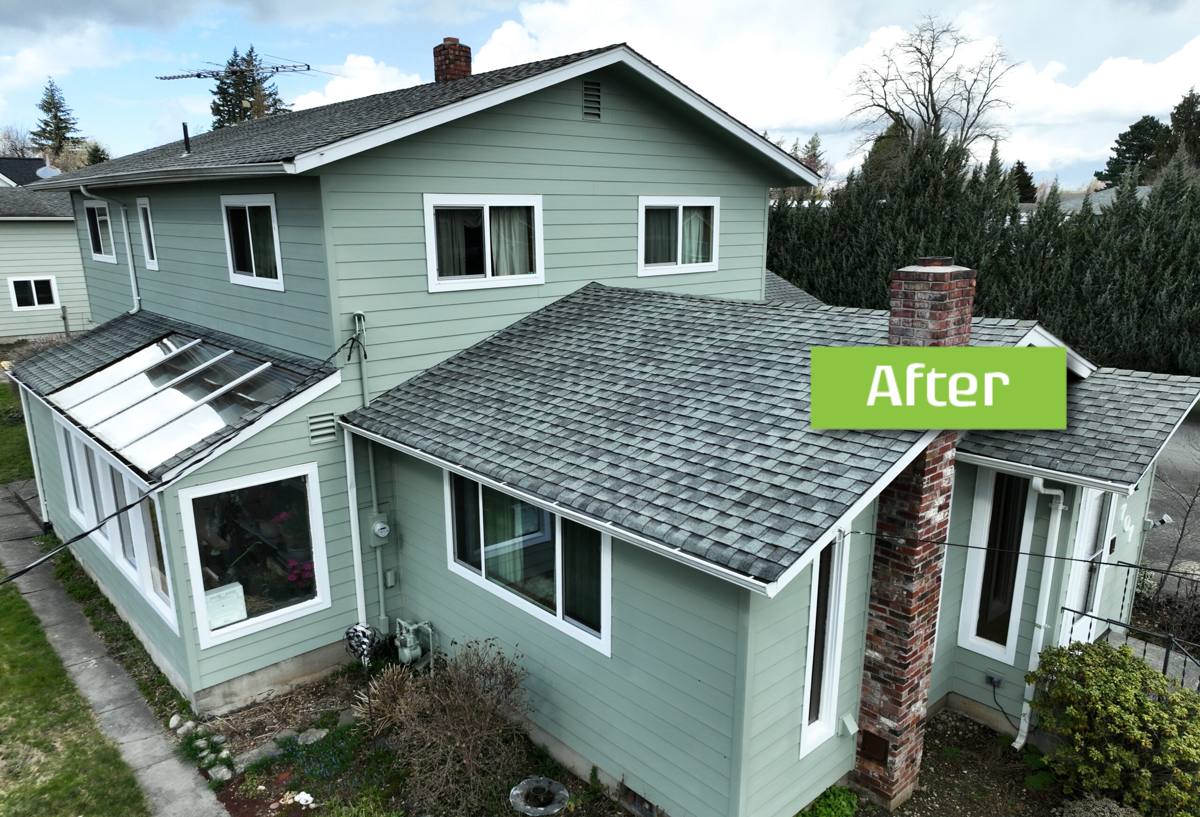
How Storm Damage Actually Shows Up on Island Roofs
Not all storm damage looks like missing shingles scattered across the yard. Some of the most expensive damage is the kind you can't see from the ground, and it's common on Anna Maria Island because of how the wind and salt exposure work together.
Wind Uplift and Lifted or Torn Roofing
Sustained hurricane-force winds and even strong tropical storm gusts create uplift pressure at roof edges, corners, and ridges — the same spots that take the worst punishment on exposed island homes. Shingles or tiles can lift, crack, or tear loose entirely, and the sealant strips that are supposed to hold shingles flat can fail even when the shingle itself looks intact. Once a shingle's seal is broken, it doesn't always blow off — it just flaps in the next wind event and lets water underneath.
Wind-Driven Rain Intrusion
On a barrier island, rain rarely falls straight down during a storm. It comes in sideways, which pushes water up under shingle tabs, around flashing, and into any gap that wouldn't leak in a normal rain. This is why a roof can pass a casual visual check after a storm and still be leaking into the attic a week later. Wind-driven rain finds the weak points that gravity alone would never reach.
Salt Air and Fastener Corrosion
This one is specific to island and near-coastal properties. Salt in the air accelerates corrosion on exposed metal — roofing nails, flashing, vent boots, and drip edge all corrode faster on Anna Maria Island than they would a few miles inland. A fastener that's rusted and weakened doesn't hold a shingle down the way it should, which means a roof can develop wind vulnerability over time even without a single named storm ever hitting it directly. We look for this kind of slow salt damage during every storm inspection, not just obvious wind tears.
What a Correct Storm Damage Repair Actually Involves
A lot of storm repair work is done fast, and fast isn't always wrong — sometimes a temporary tarp or emergency patch is exactly what a home needs to stop water intrusion right away. But a correct, lasting repair goes further than covering the visible damage.
Assessing More Than the Surface
Missing or torn shingles are the easy part to spot. What matters more is what's underneath: is the underlayment still intact, did water reach the roof deck, is there any soft or delaminated plywood, and did the flashing around vents, valleys, and roof-to-wall transitions stay sealed. Skipping this step is how a "quick fix" turns into a hidden leak that shows up as a stain on a ceiling months later. We check decking, underlayment, and flashing condition as part of every storm damage repair, not just the shingles a homeowner can see from the driveway.
Matching Materials and Fastening Correctly
Repairs need to match the existing roofing in type, profile, and where possible, wind rating — patching a high-wind-rated roof with mismatched or under-rated shingles creates a weak spot that will fail again in the next storm. Nailing pattern and fastener count matter just as much as the shingle itself; a shingle installed with too few nails or the wrong nail placement can pass a quick look and still fail well below its rated wind speed.
Our Storm Damage Repair Process on Anna Maria Island
The steps are straightforward, but the details are where the difference shows up:
- Inspection. We walk the roof (or use a ladder and close visual/photo inspection when walking isn't safe) to document damage to shingles, flashing, vents, and the deck itself, along with any interior signs of water intrusion.
- Stabilization. If the roof has an active leak or exposed deck, we get it covered and weather-tight first, before anything else, so the damage doesn't spread while repairs are scheduled.
- Documentation. Photos and a written scope of damage, useful whether you're filing an insurance claim or just want a clear record of what was found and repaired.
- Repair plan. We tell you honestly whether the damage is a straightforward repair, a larger section replacement, or a sign the roof is at the point where full replacement makes more sense — and why.
- The repair. Matching materials, correct fastening, and flashing detail done to hold up against the next wind event, not just to look finished.
- Final check. We confirm the repair is sealed and weather-tight before we consider the job done.
Repair or Replace? What Actually Drives That Decision
Homeowners often ask this before we've even finished the inspection, and it's a fair question. The honest answer depends on a handful of factors, not just how bad the current damage looks.
| Factor | Points Toward Repair | Points Toward Replacement |
|---|---|---|
| Roof age | Well within its expected service life | Already near or past the end of its typical lifespan |
| Extent of damage | Isolated to one section or slope | Spread across multiple areas or the whole roof |
| Deck condition | Solid, dry decking under the damaged area | Soft, delaminated, or water-stained decking found |
| Prior repair history | Roof has had few or no previous storm repairs | Roof has a pattern of repeated storm damage over the years |
| Material match availability | Existing shingle or tile line still available to match | Discontinued material, forcing a mismatched patch |
Cost is obviously part of this decision too. A contained repair to a section of shingles is a much smaller job, in materials and labor, than a full tear-off and re-roof. What we won't do is push a full replacement when a proper repair will genuinely hold, or patch over a roof that's clearly past the point where repair is the responsible answer. We'll walk you through what we found and let the roof's actual condition — not a sales script — drive the recommendation.
Working With Your Insurance Company
Most storm damage claims on Anna Maria Island go through homeowners or windstorm insurance, and the process goes smoother when the damage is documented clearly and promptly. We provide the kind of photo documentation and written scope of damage that adjusters expect to see, and we're available to walk an adjuster through the roof if that's useful. We don't handle the claim itself or promise a specific settlement outcome — that's between you and your insurer — but we make sure the roofing side of the paperwork is accurate and complete, which matters a lot when a claim is being reviewed.
Why a Bradenton Crew That Already Works This Island Matters
Anna Maria Island isn't a neighborhood you drive through on the way somewhere else — getting a crew, materials, and equipment out there takes planning, and after a storm hits Manatee County, every contractor in the area is suddenly busy at once. A crew that's already familiar with the island's bridges, access points, and the general character of its housing stock — older homes alongside newer construction, different roof types side by side — can move faster and assess more accurately than a contractor showing up for the first time.
Local also means accountability. If a repair doesn't hold up in the next round of weather, you're not chasing down a company that did one job on the island and left town. We live and work in this area, and our reputation here depends on repairs that actually last through the next storm season, not just until we're paid.
What to Do Right After a Storm
If your Anna Maria Island home just came through a storm with roof damage, a few smart moves in the first day or two can limit how much worse it gets:
- Stay off the roof — storm-damaged roofing can hide soft spots or weakened decking that aren't safe to walk on.
- Check the attic and ceilings for water stains, drips, or damp insulation, even if you don't see obvious damage from outside.
- Take photos of any visible damage — missing shingles, dented vents, debris — from the ground before anything is moved or covered.
- Get a tarp or emergency cover over any exposed or actively leaking area as soon as it's safe to do so.
- Contact your insurance company to start the claim process while damage is fresh and documented.
- Call a local roofing contractor for an inspection before assuming the damage is only cosmetic.
- Avoid signing anything or paying in full to a contractor who showed up unsolicited right after the storm — verify licensing and local presence first.
Get an Honest Look at Your Roof
If your Anna Maria Island home has visible storm damage, a slow leak you can't quite place, or you just want a straight answer on how much wear the salt air and Gulf wind have put on your roof over the years, we're glad to come take a look. The estimate is free, there's no pressure attached to it, and you'll get a clear explanation of what we find — repair, replacement, or nothing urgent at all. Use the form below to get started.