 Bradenton Siding
 Storm Damage Roof Repair for Southgate Homes
Southgate sits in one of Bradenton's older, well-established residential pockets, with a mix of roof ages and construction styles that reflect decades of Manatee County growth. When a named storm, a fast-moving summer thunderstorm cell, or a straight-line wind event rolls through, these roofs take the hit differently depending on their age, pitch, and how well they've been maintained. Our job is to figure out exactly what happened to your roof after a storm, repair it correctly the first time, and document everything in a way that holds up if you need to file an insurance claim.
Storm damage repair is not the same trade as a routine roof repair. It requires knowing what wind-driven rain, uplift, and impact damage actually look like on a roof deck and underlayment, not just on the shingles you can see from the ground. A roof that looks fine from the driveway can still be leaking under the surface, and a roof that looks rough can sometimes be saved with targeted repair rather than a full replacement.
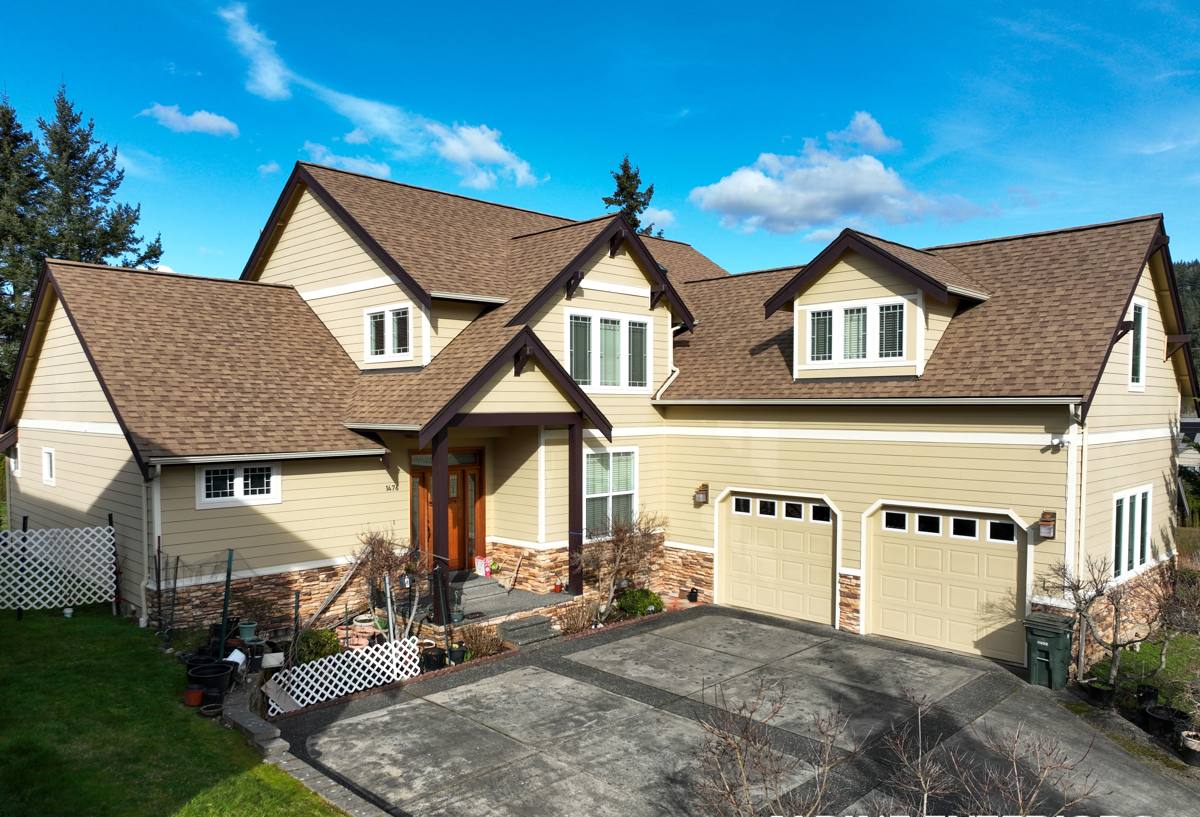
Why Southgate Roofs Take a Beating
Bradenton sits in a part of Florida that gets the full range of what Gulf Coast weather can throw at a house. Hurricane-force winds during the active storm season can lift shingles, tear flashing loose, and drive rain sideways into places it was never meant to go. Between storms, intense year-round UV exposure bakes roofing materials, drying out asphalt shingles and breaking down sealants faster than in most of the country. Add in the salt air that drifts inland from the coast, which accelerates corrosion on nails, flashing, and any exposed metal, and you have a climate that is genuinely tough on roofs even in a quiet year.
For Southgate specifically, that combination means storm damage often shows up as a mix of problems rather than one clean issue: a section of wind-lifted shingles here, a rusted flashing joint there, and granule loss across the whole roof from years of UV exposure that made the storm damage worse than it would have been on a newer roof. A proper inspection has to account for all of it, not just the obvious damage.
What Wind-Driven Rain Actually Does
Most homeowners picture roof leaks as water coming straight down through a hole. In a wind event, rain moves sideways and even upward under the edges of shingles, tiles, or trim. That means damage can start well before you see a stain on your ceiling, often at seams, valleys, and penetrations like vent pipes and chimneys where the roof's weak points already are. This is why we inspect these areas closely on every storm damage call, regardless of what the homeowner initially reports seeing.
Signs Your Roof Needs a Storm Damage Inspection
Some damage is obvious. Missing shingles, a tarp already flapping in the wind, or debris punched through the roof deck are easy calls. Other damage is subtler and easy to miss until it becomes a bigger problem. Here's what we recommend homeowners in Southgate watch for after any significant wind or rain event:
- Granules collecting in gutters or at the base of downspouts after a storm
- Shingles that look lifted, curled, or creased even if none are missing
- Soft spots or slight sagging when walking the attic or noticing ceiling flex
- New water stains on ceilings or upper interior walls, even faint ones
- Flashing around chimneys, skylights, or vent stacks that looks bent or pulled away
- Debris on the roof surface, including branches or roofing material from neighboring structures
- A musty smell in upper rooms or closets, which can indicate slow moisture intrusion
Any one of these is worth a professional look. Several together usually mean the roof took real structural damage, not just cosmetic wear.
How We Assess Storm Damage
Our inspection process is built around finding damage that isn't visible from the ground, since that's where insurance disputes and repeat leaks usually come from. We start with a full exterior walk of the roof, checking every slope, valley, and penetration point rather than just the side facing the street. From there we move to the details that matter most for a correct repair.
What We Check
- Shingle or tile condition across every plane of the roof, not just the visibly damaged section
- Flashing integrity at chimneys, walls, skylights, and vent penetrations
- Underlayment exposure where shingles have lifted or blown off
- Deck condition, checking for soft spots that indicate moisture has already reached the wood
- Gutter and drip edge condition, since damaged edge metal lets wind get under the roof system
- Attic ventilation and any signs of active or past water intrusion from inside
We photograph and document everything as we go. If you're planning to file an insurance claim, this documentation is often the difference between a claim that gets approved cleanly and one that gets disputed over what caused the damage and when.
Repair vs. Replacement: Making the Right Call
Not every storm-damaged roof needs a full replacement, and we don't push one when a targeted repair will hold up. The right call depends on a few honest factors: how much of the roof is affected, how old the existing roofing is, whether the deck underneath is sound, and whether the damage is isolated or spread across multiple planes.
| Factor | Favors Repair | Favors Replacement |
|---|---|---|
| Roof age | Under 10-12 years | Nearing or past expected lifespan |
| Damage spread | Isolated to one section or slope | Scattered across most of the roof |
| Deck condition | Solid, no soft spots | Soft or rotted decking found |
| Shingle/tile match | Matching materials still available | Discontinued or badly weathered elsewhere |
| Underlying wear | Minimal UV/granule loss elsewhere | Widespread brittleness from age |
We'll walk you through where your roof falls on this table before we recommend anything, and we'll tell you plainly if a repair is the more sensible option even when a replacement would be the bigger job for us.
Our Repair Process
Once we've agreed on scope, the repair itself follows a consistent sequence designed to hold up against the next storm, not just patch what's visible today.
Step by Step
- Remove damaged shingles, tiles, or roofing material down to sound decking
- Inspect and repair or replace any compromised deck sheathing before covering it back up
- Install new underlayment at the repair area, tied in properly with the surrounding roof system
- Replace flashing at any nearby penetrations rather than reusing bent or corroded pieces
- Install matching shingles or tiles, fastened to current wind-resistance standards
- Seal and inspect all seams, valleys, and edge transitions before calling the job complete
- Final walk-through with photos so you have a clear record of the completed work
We don't consider a storm repair finished until the surrounding roof system, not just the damaged spot, is sound. A patch that ignores nearby flashing or edge metal often fails again in the next hurricane season.
Insurance Claims and Documentation
Most storm damage repairs in this area involve an insurance claim, and the process goes smoother when the documentation is thorough from the first visit. We provide detailed photos, a written scope of damage, and a clear repair estimate that adjusters can work from directly. We're happy to be on-site or available by phone during an adjuster visit to point out damage that's easy to overlook, like lifted starter strips or flashing that looks fine at a glance but has already separated underneath.
We won't tell you what to say to your insurance company, and we won't inflate a scope of work to chase a bigger payout. Our documentation reflects what we actually find on your roof, which is what protects you if a claim gets questioned later.
Why Hire a Crew That Already Works Southgate
A roofer who works this neighborhood regularly already has a feel for the housing stock here, the typical roof ages, and the kinds of storm damage that show up after events that hit this part of Manatee County. That familiarity shows up in small but real ways: knowing which shingle profiles and tile styles are common enough to match cleanly, understanding how local permitting and inspection timelines run after a major storm event, and being able to respond quickly when a temporary tarp or emergency repair is needed before the next round of rain.
It also means we're not learning on your roof. We've seen how Gulf Coast humidity, salt air, and sun exposure age roofing materials in this specific area, and we build our repair recommendations around what actually holds up here, not generic industry advice.
Protecting Your Roof Between Storms
Storm damage repair is only half the equation. The other half is reducing how much damage the next event causes, which comes down to a few maintenance habits that matter more in Bradenton's climate than in milder regions.
- Keep gutters and downspouts clear so wind-driven rain has somewhere to go
- Trim back tree limbs that could become storm debris on your roof
- Have flashing and sealant checked annually, since UV and salt air degrade them faster here
- Address minor shingle or tile damage promptly rather than waiting for the next storm to make it worse
- Confirm attic ventilation is adequate, since trapped heat and moisture accelerate roof aging from underneath
None of these prevent storm damage outright, but they reduce how bad it is when a storm does hit, and they help your roof reach its full expected lifespan despite the tough conditions on this coast.
Get a Free, No-Pressure Estimate
If your Southgate home has taken storm damage, or you just want a professional set of eyes on your roof before the next weather event, we're glad to take a look. There's no pressure and no obligation, just an honest assessment and a clear estimate you can use however you'd like. Fill out the form below to schedule a free estimate.