 Bradenton Siding
 Tara is one of the larger established communities on Bradenton's east side, and like the rest of Manatee County, its roofs take a real beating over the course of a year. Between tropical systems moving in off the Gulf, the afternoon thunderstorm pattern that builds almost daily in summer, and the UV load that never really lets up, roofs here age differently than they do in other parts of the country. When a storm passes through and leaves damage behind, the repair needs to account for all of that — not just patch the visible problem and move on.
This page covers what storm damage roof repair actually involves for homes in Tara specifically: what to look for after a storm, what a correct repair covers, and how our process works when we come out to look at your roof.
Why Tara Roofs Take Storm Damage Differently
Tara's mix of housing stock includes a good number of homes built during Manatee County's growth years in the 1990s and 2000s, along with newer construction filling in around it. Roof age matters a lot here — a 20-plus year old roof that's already been baked by Florida sun for two decades has less flexibility in its shingles or underlayment than a newer one, so the same wind event can do more damage to an older roof than a younger one right down the street.
The other factor is exposure. Tara sits inland from the coast, but it's not far enough inland to escape wind-driven rain during tropical systems. Wind-driven rain doesn't behave like a normal rainstorm — it gets pushed sideways and upward under shingle edges, around flashing, and into any gap that a straight-down rain would never reach. A roof that's shed water fine for years can suddenly show a leak after one storm because the storm attacked the roof from an angle it wasn't tested against before.
The Damage We See Most Often
- Lifted or creased shingles along ridge lines and roof edges where wind uplift is strongest
- Torn or missing shingles in isolated patches rather than across the whole roof
- Flashing pulled loose around chimneys, skylights, and roof-to-wall transitions
- Granule loss from hail or wind-blown debris, which shows up as bald spots on shingles
- Soffit and fascia damage from wind getting up under roof edges
- Water staining on interior ceilings that shows up days after the storm, not immediately
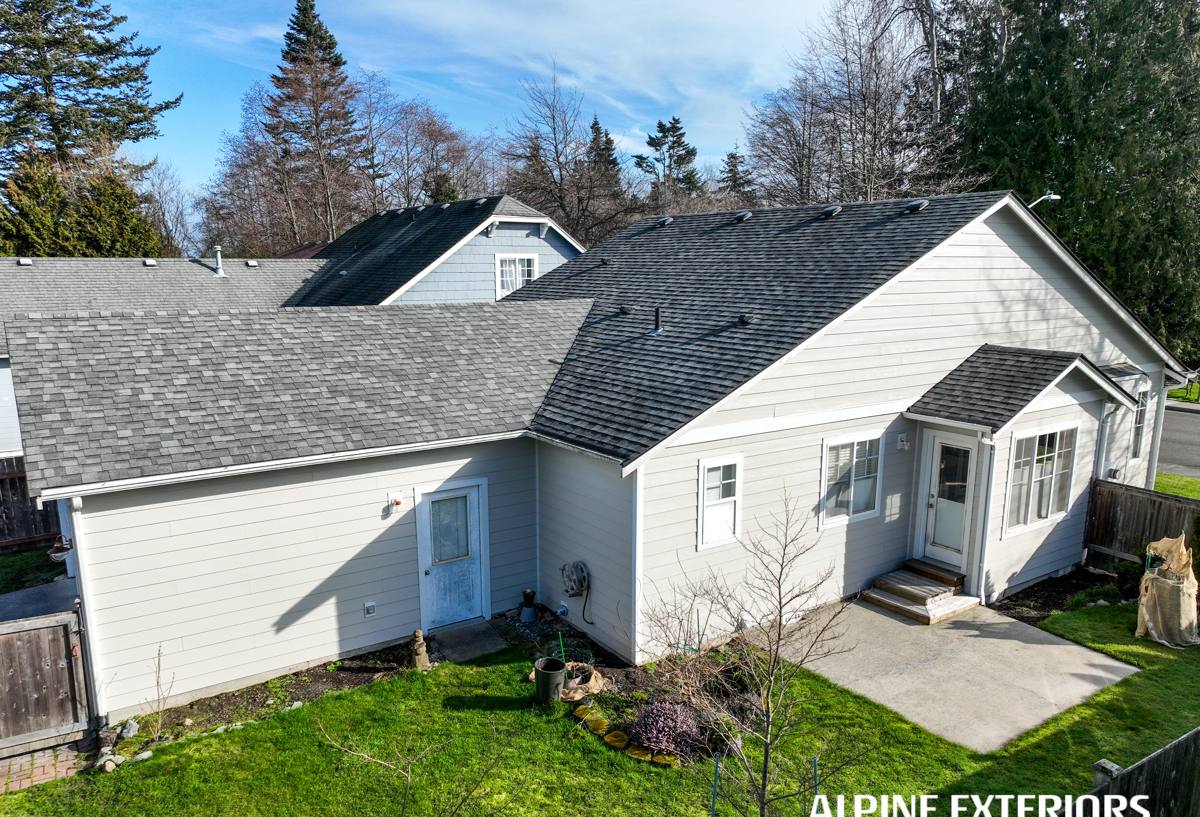
Why "It's Not Leaking Yet" Isn't the Same as "It's Fine"
One of the most common mistakes we see after a storm in this area is a homeowner checking for an active leak, not finding one, and assuming the roof is okay. Wind and rain damage often creates an entry point without an immediate leak — water might be tracking along a rafter or decking before it ever shows up as a ceiling stain, and by the time it's visible inside, the wood underneath may already be compromised.
Combined with Manatee County's humidity, a slow, hidden leak can turn into a mold or wood rot problem well before it's obvious from inside the house. That's a big part of why a post-storm roof check is worth doing even when nothing looks obviously wrong — it's much cheaper to fix a lifted shingle than to fix rotted decking and drywall six months later.
What a Correct Storm Repair Actually Involves
A repair that's done right starts with figuring out the full extent of the damage, not just the spot that's visibly missing shingles. We check the surrounding area of any damage, because wind rarely limits itself to one neat patch — it usually loosens shingles nearby that haven't fully failed yet but will in the next storm.
Our Process
- Roof and attic inspection. We look at the roof surface, flashing points, and — where accessible — the attic side of the decking, since interior signs of water intrusion tell us more than the exterior surface alone.
- Documented findings. We note what's damaged, what's at risk of failing soon, and what's still sound, so you know exactly what you're paying to fix and what can wait.
- Repair plan and honest estimate. Straightforward damage gets a straightforward quote. If we find decking rot or wider issues, we tell you before starting, not after.
- Repair work. Matching shingles as closely as possible, resealing and replacing flashing where it's compromised, and replacing any decking that's soft or delaminated rather than covering over it.
- Final check. We walk the repaired area and the roof edges again before calling the job done.
Repair vs. Full Replacement — How We Decide
Not every storm-damaged roof needs to be replaced, and we're not going to tell you it does when a targeted repair will hold up fine. The decision usually comes down to a few factors:
| Factor | Leans Toward Repair | Leans Toward Replacement |
|---|---|---|
| Roof age | Under 12–15 years | Nearing or past expected shingle lifespan |
| Damage pattern | Isolated to one section or slope | Scattered across multiple slopes |
| Decking condition | Solid, no rot found | Soft spots or delamination present |
| Shingle match | Matching shingles still available | Discontinued color/style, poor match likely |
| Insurance scope | Adjuster scopes a repair | Adjuster scopes full slope or full roof |
We'll walk you through where your roof lands on that table before recommending either path — the goal is getting you the right fix, not the bigger invoice.
Flashing, Fasteners, and the Details That Get Skipped
A lot of storm repairs fail early because the visible shingle gets replaced but the flashing and fastening underneath don't get the same attention. In Manatee County's climate, a few details matter more than people expect:
- Nail patterns matter — under-nailed or improperly placed fasteners are one of the top reasons shingles blow off in wind that a properly fastened roof would have handled fine.
- Flashing around chimneys, skylights, and wall transitions needs to be resealed with the right material, not just caulked over — caulk alone breaks down fast under constant UV exposure.
- Ridge cap shingles take the most wind pressure on the whole roof and deserve extra attention during any storm repair, since they're often the first thing to lift again if rushed.
Salt Air, UV, and Long-Term Roof Health in This Area
Even though Tara isn't beachfront, Manatee County as a whole sits close enough to the Gulf that salt air plays a role in how roofing materials age, particularly metal flashing, fasteners, and gutter systems. Combined with year-round UV exposure that's more intense than most of the country ever deals with, shingles here lose their granule protection and flexibility faster than the same product would in a milder climate. That's worth keeping in mind for any repair — using materials and installation methods suited to this climate matters more here than it does in a lot of places we could name.
What to Do Right After a Storm
If you had significant wind or hail in your area and you're not sure whether your roof took damage, here's a simple checklist before you call anyone:
- Walk the exterior of your home and look for shingle pieces, granules, or flashing debris on the ground
- Check gutters and downspouts for granule buildup, which signals shingle wear even without visible damage on the roof
- Look at ceilings and around light fixtures for any new staining, even faint
- Check attic insulation (if accessible) for damp spots after a heavy rain event
- Take photos of anything you notice, dated as close to the storm as possible, for insurance purposes
- Avoid climbing on the roof yourself — storm-damaged shingles and wet surfaces are a real fall risk
If you check off any of the above, that's the point to call in a roofer rather than wait and see.
Why Hiring a Crew That Already Works in Tara Matters
After a major storm, roofing demand across Bradenton and the surrounding area spikes fast, and that's when out-of-town crews show up offering quick fixes. The problem is they don't know the local permitting requirements, they're not around when a repair needs a follow-up visit, and they're gone once they're paid. A crew that already works in Manatee County knows the inspection process, has relationships with local suppliers for matching materials, and is still around six months later if something needs a second look.
We also know what "normal wear" looks like on a Tara roof versus genuine storm damage, which matters when it comes time to document a claim for insurance. Getting that distinction right the first time saves you a lot of back-and-forth later.
Working With Your Insurance on Storm Damage
Most storm damage claims go smoother when the documentation is thorough from the start. We can provide our own findings and photos alongside whatever your adjuster documents, which gives you a second, independent record of the damage. We're not a public adjuster and we don't handle the claim itself, but a clear, honest scope of work from a local contractor tends to line up better with what an adjuster finds than a rushed inspection from a crew that's never worked in this area before.
If a recent storm has you wondering whether your roof needs attention, we're happy to come take a look. It costs nothing and there's no pressure to move forward — just a straight answer about what we find and what it would take to fix it, using the form below.