 Bradenton Siding
 Asphalt Shingle Roofing Built for Tara's Weather, Not Just Its Curb Appeal
Tara is one of the well-established communities on Bradenton's east side, and like most neighborhoods in Manatee County, its homes take a real beating from the weather every single year. Asphalt shingles remain the most practical roofing choice for the vast majority of Tara homes because they balance cost, durability, and appearance better than almost any other material — but only when they're specified and installed correctly for this climate. A shingle roof built for a mild, dry region will not hold up the same way here, and that gap shows up as lifted tabs, granule loss, and leaks years before it should.
This page is about one job done right: asphalt shingle roofing, specifically for homes in and around Tara. We're not going to give you a generic rundown of shingle types you could find on any roofing site. We're going to explain what actually matters for a roof over your head in this part of Florida, what a correct installation looks like, and how our process works from the first phone call to final cleanup.
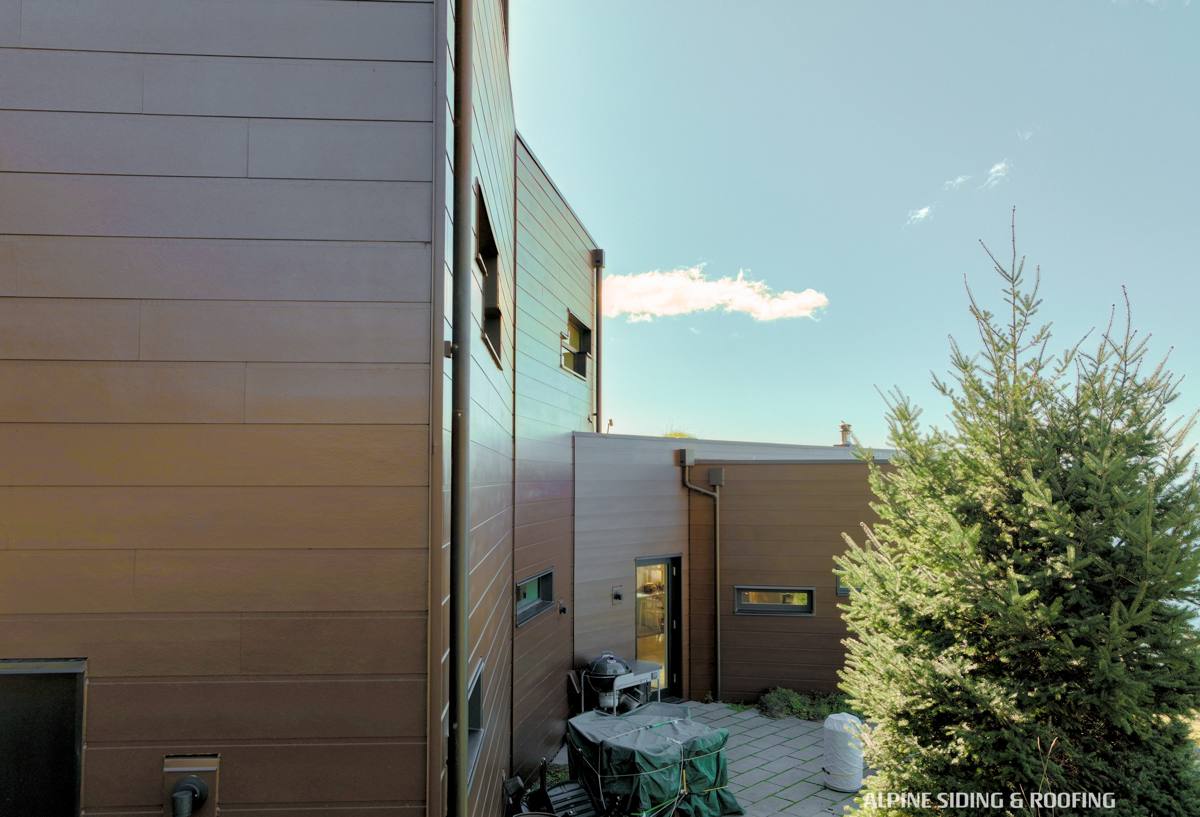
What Bradenton's Climate Actually Does to a Shingle Roof
Manatee County sits in a stretch of Florida that gets the full package: hurricane-force wind events, months of intense UV exposure, wind-driven rain that finds every gap in flashing and underlayment, and a steady dose of salt air carried inland from the Gulf. Each of these does damage in a different way, and a roof that only accounts for one or two of them will fail at the weak spot.
Wind
Sustained tropical-storm and hurricane winds don't just push on a roof — they create uplift at the edges, ridges, and any spot where a shingle's seal has weakened. Once wind gets under one tab, it peels back its neighbors like a zipper. The fastening pattern, nail placement, and starter strip detail at the eaves and rakes matter more here than almost anywhere else in the country.
UV and heat
Year-round sun bakes the asphalt in shingles, driving off the oils that keep them flexible and accelerating granule loss. Granules are the shingle's actual sun shield; once enough are gone, the mat beneath degrades faster and the shingle becomes brittle. Attic ventilation plays a bigger role in this than most homeowners realize, since trapped heat under the deck cooks the shingles from underneath as well as above.
Wind-driven rain
Rain that comes in sideways during a squall line or tropical system doesn't behave like normal rainfall. It can work its way under shingles at low-slope transitions, valleys, and around penetrations like vents and skylights if the underlayment and flashing weren't installed with that in mind.
Salt air
Even well inland from the coast, Manatee County gets salt-laden air on a regular basis. Salt accelerates corrosion on exposed metal — nails, flashing, vent caps, and drip edge — which is why fastener and metal quality is not a place to cut corners on a Tara roof.
What a Correct Asphalt Shingle Roof Involves
A roof is a system, not just a layer of shingles. Skipping or shortcutting any one of these components is usually where premature failures start.
Tear-off and deck inspection
We remove the old roofing down to the deck rather than layering over it, because you can't properly inspect or seal a deck you can't see. Any soft, delaminated, or water-damaged plywood gets replaced before anything new goes down — installing new shingles over a compromised deck just guarantees a repeat failure.
Underlayment
Given how much wind-driven rain this area sees, we treat underlayment as a real second layer of defense, not a formality. Self-adhering underlayment at eaves, valleys, and other vulnerable spots provides a sealed backup if wind ever drives water past the shingles themselves.
Flashing
Flashing around chimneys, walls, skylights, and roof-to-wall transitions is where most leaks actually originate — far more often than the shingle field itself. Correct step flashing, counter-flashing, and sealant work here is not optional detail; it's the difference between a roof that sheds water and one that slowly lets it in.
Shingle installation and fastening
Nail count, placement, and pattern are dictated by the shingle manufacturer and by local wind-exposure requirements. We follow the fastening schedule that matches the wind zone, not just the minimum the shingle bundle mentions, because in a storm the fastening pattern is what actually keeps the roof on the house.
Ventilation
A balanced intake-and-exhaust ventilation system keeps attic temperatures down, which protects both the shingles and the deck from the underside. Poor ventilation is one of the most common reasons a shingle roof ages faster than its warranty suggests, especially under a Florida summer sun.
Choosing the Right Shingle Grade for a Tara Home
Not all asphalt shingles are built for the same wind exposure, and the right choice depends on your home's roof geometry, HOA guidelines where applicable, and how much you want to invest upfront versus over the life of the roof.
| Shingle Type | Typical Wind Rating | Best Fit | Trade-offs |
|---|---|---|---|
| Standard 3-tab | Lower wind rating, lighter weight | Budget-conscious reroofs on simpler roof shapes | Less wind resistance and a flatter look; shorter realistic service life in this climate |
| Architectural (laminated) | Higher wind rating than 3-tab | Most Tara homes; good balance of cost, appearance, and durability | Costs more than 3-tab but performs meaningfully better in wind and UV exposure |
| Impact-rated architectural | Highest wind and impact rating in the asphalt category | Homes wanting maximum storm resilience, or where insurance credits make it worthwhile | Highest upfront cost of the three; often offset over time by insurance premium credits |
We'll walk through this table with you in person, using your actual roof and budget, rather than pushing the highest-margin option. For most Tara homes, a quality architectural shingle rated for the local wind zone is the sensible middle ground — it costs more than 3-tab up front but avoids the repeat maintenance and shorter lifespan that comes with the lighter product.
Our Process, Start to Finish
- On-site assessment. We inspect the current roof, deck condition, ventilation, and flashing details, and take real measurements rather than estimating from the street.
- Written, itemized proposal. You get a clear breakdown of materials, scope, and price — no vague allowances that turn into surprise add-ons later.
- Material selection. We help you weigh shingle grade, color, and warranty options against your budget and how long you plan to stay in the home.
- Scheduling around weather. Florida's storm season means we plan installs with realistic weather windows and keep the deck protected if conditions shift mid-job.
- Tear-off, deck repair, and dry-in. The old roof comes off, any damaged decking is replaced, and underlayment goes down the same day whenever possible so the home isn't left exposed overnight.
- Flashing and shingle installation. Installed to the fastening schedule and flashing details appropriate for this wind zone, not just the manufacturer's bare minimum.
- Final inspection and cleanup. We walk the roof and the property, including a magnetic sweep for stray fasteners, before we consider the job done.
- Paperwork. You receive documentation for warranty registration and, where applicable, anything your insurer needs for wind-mitigation or roof-age credits.
Signs a Tara Roof Needs a Closer Look
Most shingle roof problems give warning signs well before a full leak shows up inside the house. Worth checking for, especially after any named storm or a stretch of high wind:
- Shingle tabs that look lifted, curled, or cupped rather than lying flat
- Bare or thin-looking patches where granules have visibly worn away
- Shingles or pieces of shingle in gutters or the yard after wind events
- Dark streaking or staining that doesn't wash off with rain
- Soft spots, sagging, or an uneven roofline when viewed from the ground
- Rust streaks around vent pipes, flashing, or metal roof penetrations
- Daylight visible through the attic decking or damp insulation after rain
- Granules collecting in downspouts or at the base of downspout extensions
Any one of these on its own doesn't necessarily mean a full replacement is needed, but they're worth a professional look rather than waiting for a leak to confirm the problem.
Maintenance That Actually Extends a Shingle Roof's Life Here
A shingle roof in Manatee County needs a bit more attention than the same roof would in a milder climate, simply because it's working harder year-round.
Routine inspections
A visual check after major storms and at least once a year otherwise catches lifted shingles or flashing issues while they're still a quick repair instead of a full leak.
Keeping debris and moisture off the roof
Overhanging branches and accumulated debris in valleys hold moisture against the shingles longer than they're designed to handle, which speeds up wear in exactly the spots most prone to leaks.
Gutter and drainage upkeep
Clogged gutters during a heavy downpour push water back up under the shingle edge instead of away from the roof, which is a common and preventable cause of eave damage.
Ventilation checks
If your attic runs noticeably hotter than expected, or you notice moisture in the attic space, it's worth having ventilation checked — it affects both energy bills and how long the shingles above it will last.
What Affects the Cost of a Tara Reroof
Pricing for asphalt shingle roofing depends on more than square footage. Being upfront about these factors up front avoids surprises later.
| Factor | Why It Matters |
|---|---|
| Roof size and number of layers to remove | More tear-off labor and disposal, especially if the home already has more than one layer of old roofing |
| Roof pitch and complexity | Steeper or more cut-up roofs with valleys, dormers, and multiple planes take longer and require more flashing detail |
| Deck condition | Rotted or delaminated plywood found during tear-off needs replacement before shingles go down |
| Shingle grade chosen | 3-tab, standard architectural, and impact-rated architectural carry different material costs |
| Ventilation upgrades | Adding or correcting intake/exhaust ventilation adds labor but extends roof life |
| Access and site conditions | Landscaping, fencing, or limited access can affect labor time and staging |
We won't know your exact number until we've actually looked at your roof, but we'll explain every line item so you understand what's driving the price, not just the total at the bottom.
Why It Matters to Hire a Crew That Already Works in Tara
Roofing work in Manatee County isn't the same everywhere — permitting requirements, local wind-zone standards, and typical roof geometries here differ from crews used to working in milder or less storm-exposed regions. A contractor who regularly works in and around Tara already understands the fastening schedules and flashing details this climate demands, has a working relationship with local permitting, and isn't learning the region's quirks on your roof. That experience shows up in fewer callbacks, correctly detailed flashing the first time, and a roof that's actually built for the wind and rain it will face here rather than a generic install.
If you're weighing a repair against a full reroof, or just want an honest read on where your current roof stands, we're happy to take a look. We offer a free, no-pressure estimate for Tara homeowners — use the form below to get started.