 Bradenton Siding
 Why Decks in Tara Wear Out Faster Than People Expect
Tara is one of Bradenton's established golf-course communities, and a lot of the homes here were built with a deck, screened lanai extension, or elevated wood platform off the back of the house — often facing a pond, a fairway, or open yard with little shade. That orientation looks great, but it's also exactly the exposure that ages a deck fastest. Manatee County sits in a stretch of Florida that gets hit with four different kinds of punishment at once: intense UV that bakes and dries out wood fiber and finishes, wind-driven rain that gets pushed sideways into joints and connections most decks were never detailed to handle, tropical humidity that keeps moisture cycling in and out of lumber day after day, and salt-laden air blowing in off the Gulf that accelerates corrosion on fasteners, brackets, and hardware.
None of that is dramatic on its own. It's the accumulation that gets people — a deck that looked fine for years starts to feel soft in one corner, a board that was solid last season is suddenly spongy, or a railing post that used to be rock-steady has some give in it. By the time those signs show up, the damage is usually well past the surface.
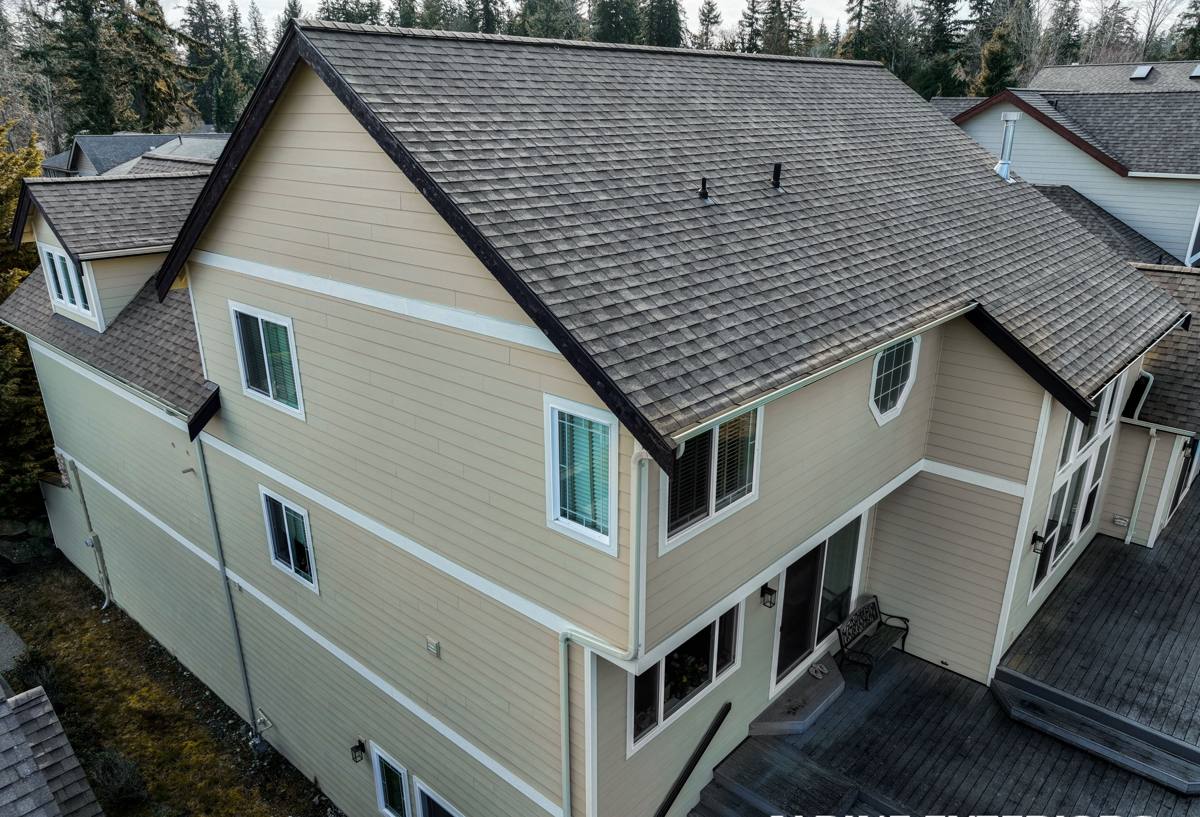
Signs a Tara Deck Needs Replacement, Not Just Repair
Not every deck problem means a full tear-out. But there's a point where patching individual boards is just delaying a bigger job — and spending money on a deck that's going to need replacing anyway. Here's how we tell the difference during an inspection:
- Soft or spongy decking in more than one or two isolated spots usually means moisture has gotten into the board core, not just the surface finish.
- Movement at the ledger board — where the deck attaches to the house — is one of the most serious signs we look for, since ledger failure is behind most deck collapses nationally.
- Rust streaking or bleeding around fasteners tells us the hardware is corroding, which is common near the coast even with treated lumber.
- Wobbly or leaning railing posts often point to rot at the post base or a connection that was never properly flashed.
- Visible gaps opening up between boards, or boards that have cupped and won't lie flat, mean the wood has moved beyond what refinishing can fix.
- Footings that have shifted or settled unevenly, which you'll notice as a deck that no longer feels level.
If you're only seeing one of these in isolation, repair may be reasonable. If you're seeing two or three together, that's usually a sign the structure has aged out as a whole and a repair would just be chasing the next failure point.
What a Correct Deck Replacement Actually Involves
A deck replacement isn't just pulling up old boards and screwing down new ones. The visible decking is the last thing installed — everything underneath it is what determines whether the deck holds up through the next decade of Gulf Coast weather.
Ledger Attachment and Flashing
Where the deck ties into the house is the single most important connection on the whole structure. It needs proper structural fasteners rated for the load, and it needs flashing that actually sheds water away from the house band board instead of trapping it against it. A poorly flashed ledger is a slow leak that rots the deck frame and the house framing behind it at the same time — we see this on older decks more than almost anything else.
Footings and Posts
Footings need to be sized and set to local frost-free depth requirements (not a factor here, but they do need to bear on stable, undisturbed soil) and sit below grade in a way that keeps the post base from sitting in standing water after a heavy summer storm. A lot of the older decks we replace in this area have posts that were set directly on grade or in shallow footings that shifted over time.
Joists, Hangers, and Blocking
Joist spacing and span have to match the decking material you're putting down — composite and PVC boards generally need tighter joist spacing than solid wood to avoid flexing over time. Joist hangers and structural screws should be corrosion-resistant hardware rated for treated lumber contact, which matters more here than in drier inland climates because of how much moisture and salt air the hardware sits in year-round.
Decking, Fasteners, and Railing
The decking and railing are what you see and touch every day, so fit, spacing, and finish matter — but they're also structural. Railings have to meet code height and baluster spacing requirements, and they need to be attached to solid blocking, not just screwed into decking boards.
Choosing Materials for Manatee County Conditions
There's no single "best" decking material — there's a best material for your budget, how much upkeep you want to do, and how much direct sun and moisture your particular deck sees. Here's how the common options actually compare once you factor in our climate:
| Material | Upfront Cost | Maintenance | Coastal Durability | Heat Underfoot |
|---|---|---|---|---|
| Pressure-treated wood | Lowest | Annual sealing/staining recommended | Good if maintained; poor if neglected | Moderate |
| Composite decking | Mid-range | Occasional wash, no sealing | Very good; resists rot and insects | Can run hot in direct sun |
| Capped composite / PVC | Highest | Wash only | Excellent; fully resists moisture absorption | Varies by color; lighter colors run cooler |
For a lot of Tara homeowners, the deciding factor isn't the material itself — it's how much sun exposure the deck actually gets and whether you're the type who'll stay on top of annual sealing. A shaded, tree-covered deck can do fine in pressure-treated wood for years. A deck facing open water or a fairway with no canopy is going to take a beating from UV and driving rain regardless of species, and that's usually where we steer people toward composite or capped composite instead — not because wood is a bad product, but because the maintenance schedule needed to keep it looking and performing well in full coastal sun is more than most people realistically keep up with.
How Our Deck Replacement Process Works
1. On-Site Assessment
We start by getting under the existing deck, not just walking on top of it. That means checking the ledger connection, probing joists and posts for soft spots, and looking at how water has historically drained (or pooled) around the structure.
2. Straightforward Estimate
You get a written estimate that spells out material choice, structural scope, and what's included — no vague allowances that turn into surprise add-ons once we open things up.
3. Permitting
We handle the permit application with the appropriate local building department for your job's location. Deck replacement is structural work, not cosmetic, and it gets treated that way from the paperwork on.
4. Demolition and Structural Rebuild
Old decking, framing, and any compromised hardware come out. We rebuild the ledger connection, footings, posts, and joist structure to current code before a single new board goes down.
5. Decking, Railing, and Finish Work
Decking is installed with proper spacing for drainage and material expansion, railing is set and secured to blocking, and any trim or fascia work is finished out.
6. Final Walkthrough and Inspection
The job gets a final building inspection where required, and we walk the finished deck with you before calling it done.
Permits and Local Code Requirements
Deck replacement in Bradenton and unincorporated Manatee County generally requires a building permit, since you're dealing with a structural attachment to the house, footings, and a frame that has to carry live load. This isn't a formality — permitted work gets inspected at key stages, which is exactly the check that catches an undersized footing or a ledger that isn't properly through-bolted before it's buried under decking. Beyond the permit itself, our region's building code carries wind-load requirements that a good deck design accounts for from the framing stage, particularly around railing and post connections. Skipping the permit might save time upfront, but it also means no third-party inspection ever confirms the structure was built to hold up — and it can create real problems later when you sell the house and a buyer's inspector finds unpermitted structural work.
Maintaining Your New Deck Through Bradenton's Climate
Whatever material you choose, a little seasonal attention goes a long way toward getting the full lifespan out of it. A simple routine we recommend to homeowners:
- Rinse off pollen, salt residue, and organic buildup every few months — more often if the deck is near water or under trees.
- Check railing posts and stair connections twice a year for any looseness, especially after a stretch of heavy storms.
- Keep gutters and downspouts near the deck clear so runoff isn't dumping directly onto the structure or footings.
- If you have wood decking, plan on resealing or staining roughly once a year in full-sun locations.
- Trim back vegetation that's shading a deck surface constantly, since it slows drying and encourages mildew.
- Watch for any soft spots or fastener corrosion early — small issues caught early stay small.
Why a Crew That Already Works Tara Matters
Deck problems in this part of Manatee County follow patterns — ledger rot from years of wind-driven rain, corroded hardware on decks facing open water, footings that were undersized for how the lot actually drains. A crew that's already worked on homes in Tara has seen those patterns repeat enough times to know what to check first and what tends to get missed on a rushed job. That matters just as much for the estimate as it does for the build — you're not paying to have someone learn the local conditions on your project.
It also means realistic scheduling and material recommendations based on how this specific climate treats different products, not a generic national playbook. A deck that's engineered and finished the same way it would be in a dry inland climate isn't going to hold up the same way here.
Get a Straight Answer on Your Deck
If your deck in Tara is showing soft spots, loose railings, or you're just not sure whether it's a repair or a replacement, we're glad to take a look. Fill out the form below for a free, no-pressure estimate — we'll tell you honestly what we find and what your real options are.