 Bradenton Siding
 Siding Installation Services in Tara
Tara is one of Bradenton's established residential communities, known around Manatee County for its golf-course setting and tree-lined streets. It's also a neighborhood where the exterior of a home works hard year-round. Between hurricane season, relentless subtropical sun, and the salt-laden air that drifts inland from the Gulf, siding in Tara doesn't get an easy life. This page is specifically about installing siding on homes in this area — what the local climate demands from the material and the installation, what a correct job looks like from tear-off to final caulk line, and why a crew with real experience on Bradenton homes matters more here than it would somewhere with milder weather.
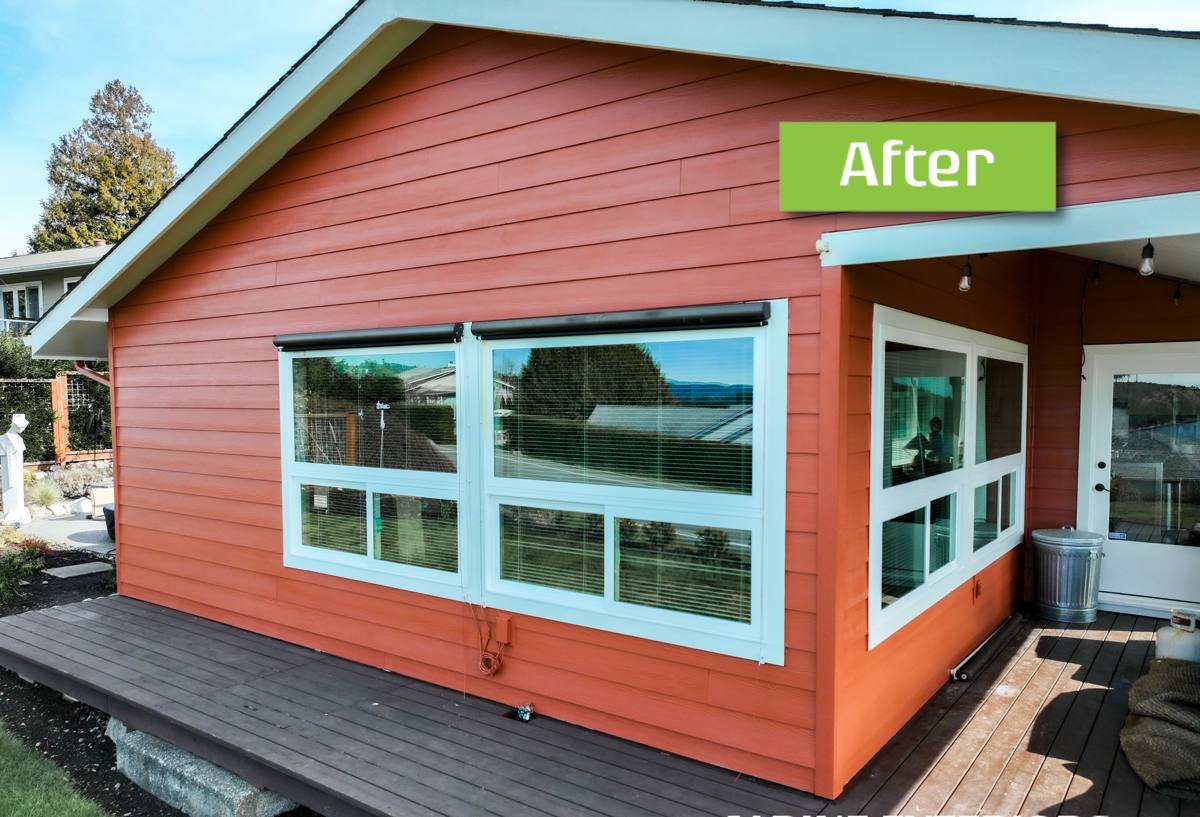
What Tara's Climate Does to Exterior Siding
Manatee County sits squarely in a hurricane-prone stretch of Florida's Gulf Coast, and Tara's inland position doesn't exempt it from wind, driving rain, and humidity extremes. Siding here has to hold up against several stresses at once, not just one.
Hurricane-Force Wind
Even homes that never take a direct hit still see repeated tropical-storm-force wind events over the years. Wind doesn't just push on siding — it creates suction on the leeward side of a house and works at every seam, corner, and fastener. Siding that's under-fastened, poorly lapped, or installed with the wrong nailing pattern is the siding that ends up in the yard after a storm, even when the rest of the house is fine.
Intense, Year-Round UV
Florida sun is stronger and more consistent than almost anywhere else in the continental U.S., and it doesn't take a summer off. UV breaks down pigments and surface coatings over time, which is why so many painted or thin-coated products in this region fade unevenly, chalk, or need repainting well ahead of schedule. Whatever goes on a Tara home needs a finish engineered to hold color under constant sun exposure, not just look good on install day.
Wind-Driven Rain and Salt Air
Storms in this part of Florida rarely bring rain straight down — it comes in sideways, driven by wind, and it finds every gap in flashing, trim, and siding laps that isn't detailed correctly. Add the corrosive effect of salt air moving off the Gulf and inland waterways, and you have a combination that punishes fasteners, trim, and any siding material that isn't dimensionally stable when it gets wet.
Why We Install Only James Hardie Fiber Cement
We made a deliberate decision as a company: we install James Hardie fiber cement siding, and only James Hardie. We don't install vinyl, LP SmartSide, primed wood, cedar, or other fiber cement brands, and we're upfront with Tara homeowners about why. Fiber cement is non-combustible, dimensionally stable in heat and humidity, and doesn't warp, buckle, or rot the way wood-based and some engineered products can under repeated wet-dry cycles. Hardie's ColorPlus factory finish is baked on and warranted against fading in a way field-applied paint isn't, which matters directly given the UV load this region sees. Hardie also engineers specific product lines, including HZ10 formulations, for high-moisture, high-wind climates like ours — it's not a generic product stretched to fit Florida, it's built for it. We'd rather install one system correctly, backed by a manufacturer that stands behind it with a strong transferable warranty, than offer a menu of products we don't fully trust on a coastal Florida roofline.
What a Correct Siding Installation Actually Involves
The material is only half the equation. Most siding failures we get called out to inspect in this area trace back to installation shortcuts, not the product itself. A correct job on a Tara home includes several steps that are easy to skip and expensive to skip.
Tear-Off and Substrate Inspection
Old siding comes off down to the sheathing, and the sheathing gets inspected before anything new goes up. Hidden moisture damage, soft spots, or rot behind old siding is common in humid climates and has to be addressed first — covering it over with new siding just hides the problem for another season.
Weather-Resistive Barrier and Flashing
A properly lapped weather-resistive barrier, correctly integrated flashing at windows, doors, and roof intersections, and sealed penetrations are what actually keep wind-driven rain out of the wall assembly. Siding is the visible layer, but the barrier and flashing behind it do most of the real work during a storm.
Fastening for Wind Exposure
Fastener type, spacing, and embedment depth all change based on the wind exposure the home faces, and Manatee County's wind zone requirements aren't optional extras — they're the difference between siding that stays put in a tropical storm and siding that doesn't. This is one of the most commonly shortcut steps on lower-bid jobs.
Joints, Trim, and Caulking
Every butt joint, corner, and trim intersection is a potential entry point for water if it isn't detailed correctly. Factory-mitered corners, proper joint flashing, and the right sealant applied at the right joints — not everywhere, and not nowhere — are part of doing this correctly the first time.
Our Installation Process, Start to Finish
- On-site evaluation: we walk the exterior, check the current siding and substrate condition, and note wind exposure, sun exposure, and any moisture issues specific to the home.
- Written estimate: a clear scope covering tear-off, substrate repair (if needed), Hardie product line and color selection, and installation.
- Tear-off and substrate repair: old material removed, sheathing inspected and repaired as needed before anything new is installed.
- Weather barrier and flashing installation: the moisture-management layer goes in first and gets inspected before siding starts.
- Hardie siding installation: installed to manufacturer fastening specifications for our wind zone, with attention to joints, corners, and trim details.
- Final walkthrough: we go over the finished job with the homeowner before calling it complete.
Comparing Siding Options for a Wind-Exposed Tara Home
Homeowners in Tara often ask how fiber cement stacks up against the other materials commonly discussed for Florida homes. Here's an honest comparison based on how each performs in this specific climate.
| Material | Wind performance | Moisture/humidity behavior | UV/color retention |
|---|---|---|---|
| James Hardie fiber cement | Engineered and rated for high-wind zones when installed to spec | Dimensionally stable; not wood-based, resists rot | Factory ColorPlus finish warranted against fading |
| Vinyl siding | Can deform or blow off in sustained high wind | Doesn't rot, but can warp from heat | Fades and chalks over time; color can't be renewed by painting easily |
| LP SmartSide / engineered wood | Depends on installation and edge sealing | Vulnerable to moisture intrusion at cut edges and joints if not maintained | Requires field-applied paint that needs recoating over time |
| Cedar / primed wood | Adequate if properly fastened | Prone to rot and insect issues in humid, wet climates without diligent upkeep | Needs regular repainting or staining to hold appearance |
What Siding Installation Costs Depend On
We don't quote pricing without seeing a home, but the factors that move the number are consistent across Tara and the rest of Bradenton.
| Factor | Why it affects cost |
|---|---|
| Home size and wall complexity | More square footage and more corners, gables, and trim details mean more labor and material |
| Current siding removal | Tear-off of old material adds labor, especially with multiple layers or difficult access |
| Substrate repair | Rotted or moisture-damaged sheathing found during tear-off needs to be addressed before new siding goes on |
| Hardie product line and profile | Different HardiePlank profiles, HardieShingle, and panel systems carry different material costs |
| Trim and detail work | Extensive trim, soffit, or fascia work adds time and material beyond the field siding itself |
Signs Your Tara Home's Siding Needs Replacing
A few warning signs are worth a closer look before they turn into a bigger repair:
- Visible warping, bowing, or buckling anywhere on the siding
- Soft spots when you press on the siding or trim near the bottom of walls
- Paint that's peeling or bubbling on the siding itself, which often points to moisture trapped underneath
- Cracked, missing, or loose sections after a storm
- Persistent staining, streaking, or a chalky residue that won't wash off
- Rising energy bills that could point to a compromised weather barrier behind aging siding
Why Hiring a Crew That Already Works in Tara Matters
Siding installation isn't just about product knowledge — it's about knowing how a specific area's conditions play out on real houses. A crew that regularly works Bradenton and Manatee County homes has already seen how wind exposure varies from an open lot to one shielded by mature trees, how salt air affects fasteners and trim over time, and where moisture problems tend to show up first in this climate. That familiarity shows up in the details: fastening decisions, flashing choices, and trim work that account for what actually happens to a house here, not just what a manufacturer's national installation guide covers in general terms. It also means someone who's accountable locally if a question comes up after the job is done, not a crew that installed a few houses in the area and moved on.
If your Tara home needs new siding or you're not sure whether repair or replacement makes more sense, we're happy to take a look and walk you through what we find — no pressure, no obligation. Use the form below to request a free estimate.