 Bradenton Siding
 Why Siding Repair Looks Different in Tara
Tara is a well-established residential community in Bradenton, and like most of Manatee County, it sits squarely in a climate that is hard on exterior siding. Homes here deal with intense, nearly year-round UV exposure, wind-driven rain that gets pushed sideways into wall assemblies during storms, salt-laden air moving inland off the Gulf, and the occasional direct hit from hurricane-force wind. None of that is unique to Tara specifically, but it is a real and constant condition for every home in the neighborhood, and it means siding problems tend to show up earlier and progress faster here than they would in a milder climate.
Because Tara has a mix of homes built across different decades and with different siding materials, the repair issues we're called out for vary more than you'd expect from one street to the next. What's consistent is this: a repair that only addresses the visible symptom, without understanding what the local climate did to cause it, tends to fail again — often sooner than the first time. This page walks through what actually damages siding in this area, how to tell a cosmetic issue from a real one, what a correct repair involves, and why it matters to hire a crew that already works in and around Tara.
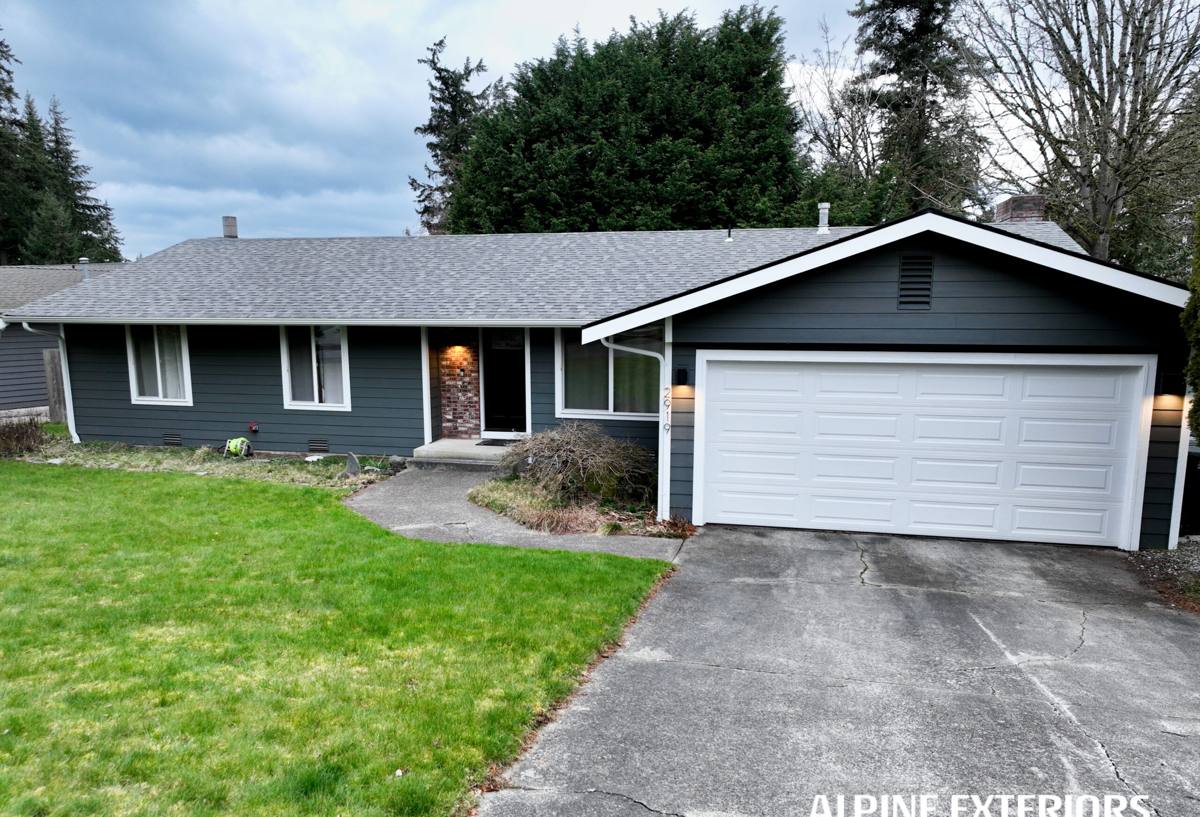
What Actually Damages Siding in This Climate
Year-Round UV Exposure
Florida's sun load is among the highest in the country, and siding takes that exposure directly on south- and west-facing walls for most of the day, most of the year. On lower-grade materials, UV breaks down surface coatings and finishes over time, leading to fading, chalking, and in some cases warping or brittleness. That degradation is usually gradual and easy to dismiss as cosmetic, but once a protective finish is compromised, the material underneath is exposed to moisture in a way it wasn't designed for.
Wind-Driven Rain
Ordinary rainfall mostly runs down a wall and off. Wind-driven rain during a storm behaves differently — it gets forced sideways and even upward into laps, seams, and penetrations that are otherwise reasonably well protected. This is one of the most common ways water gets behind siding in the first place, and it's also one of the hardest problems to catch early, because the entry point is often small and the resulting damage happens out of sight, behind the siding rather than on its face.
Salt Air
Tara isn't directly on the coast, but Manatee County as a whole sits close enough to the Gulf that salt-laden air still reaches inland neighborhoods, especially during onshore wind. Salt exposure accelerates corrosion in fasteners, trim hardware, and any exposed metal flashing, and it can also contribute to finish breakdown on certain siding materials over time. It's a slower process than what a barrier-island property deals with, but it's a real factor in how siding ages here compared to inland regions of the state.
Hurricane-Force Wind
Wind load is a genuine design condition in this part of Florida, not an occasional risk. Sustained or gusting wind during storm season can lift loose panels, pull fasteners partway out, or stress seams and corners that were already marginal. Even when a storm doesn't cause obvious damage, it's common for wind to loosen attachment points just enough that the next storm — or just ongoing weather — finishes the job.
Common Repair Issues We See on Tara Homes
Because Tara includes homes built across a range of years, the siding material on any given house varies, and so does the typical failure pattern.
- Vinyl siding — panels that have warped or buckled from heat and sun exposure, cracked corners and trim from impact or age-related brittleness, and panels that have blown loose or popped out of their track during high wind.
- Older fiber cement siding — cracking at panel edges or fastener points, caulk joints that have failed and allowed water intrusion, and paint or finish breakdown on siding that wasn't factory-finished.
- Wood or hardboard siding — moisture damage and soft spots where paint has failed or caulking has cracked, particularly near ground contact, roof lines, and window and door trim where water tends to collect.
- Trim, corners, and flashing — regardless of the main siding material, these are frequently where we find the actual point of water entry, even when the damage shows up somewhere else on the wall.
Cosmetic Wear vs. Signs of Real Damage
Not every mark or imperfection on a wall means something is structurally wrong, and telling the difference correctly is the actual job of a proper repair estimate — not just eyeballing the surface.
| Symptom | Usually Cosmetic | Often a Real Problem |
|---|---|---|
| Fading or chalking finish | Yes — sun and age | Only if paired with cracking or warping |
| Small hairline cracks in caulk joints | Sometimes — normal joint movement | Yes, if water staining appears nearby |
| Panel that flexes or feels loose | Rarely | Usually — fastener or attachment failure |
| Soft or spongy spot on the wall | No | Yes — moisture damage behind the surface |
| Dark staining or streaking below seams | Cosmetic if isolated and dry | Often signals water tracking from a leak point |
| Visible gap where siding meets trim or window | No | Yes — active or likely water entry point |
Cosmetic issues can typically wait for routine maintenance. Anything soft, staining, or gapped near a penetration point deserves attention sooner rather than later, because moisture problems behind siding get more expensive to fix the longer they sit.
Repair vs. Replace: How That Call Actually Gets Made
A lot of homeowners assume any siding problem means the whole wall needs to come off, or the opposite — that a patch will always be cheaper and just as good. Neither assumption holds up on its own. The factors that actually drive this decision include:
- How far the damage extends. A few damaged panels or a localized moisture issue is usually a straightforward repair. Widespread cracking, warping, or moisture intrusion across multiple walls often isn't worth chasing panel by panel.
- What's happening behind the siding. If sheathing or framing underneath has taken on moisture damage, a surface-level repair won't hold, and the scope needs to open up to address what's underneath.
- Age and remaining service life of the material. Siding nearing the end of its practical lifespan may only have a repair or two left in it before replacement becomes the more sensible long-term choice.
- Availability of matching material. Discontinued colors, profiles, or product lines can make an exact patch difficult or impossible, which sometimes shifts the math toward replacing a full elevation rather than a mismatched repair.
We'll give a straight answer on which category a given repair falls into, including when full replacement is genuinely the better long-term option — and when it happens, our recommendation is James Hardie fiber cement, which is the only siding product we install, for reasons we're glad to walk through on-site.
What a Correct Repair Involves
Diagnosing What's Actually Behind the Siding
A repair that only replaces what's visibly damaged, without checking what caused it, is incomplete. Before recommending a scope of work, we look at whether moisture has reached the sheathing or framing behind the affected area, since that changes both the repair method and the cost.
Matching Existing Material
Repairing an isolated section means working with whatever siding is already on the house — matching profile, exposure, and color as closely as the existing product allows. On older or discontinued materials, an exact match isn't always possible, and we'll say so upfront rather than after the work is done.
Proper Flashing and Water Management
Most siding failures trace back to a water management detail that wasn't right in the first place — a flashing gap at a window head, a missing kick-out at a roofline, a caulk joint that was never a real water barrier to begin with. A repair that replaces damaged material without correcting the underlying water path tends to fail again in the same spot.
Attachment Suited to Local Wind Exposure
Fastening pattern and hardware matter more here than in a milder climate. Repairs are fastened to hold up against real wind load, using corrosion-resistant hardware appropriate for a humid, salt-influenced environment, rather than whatever generic fastener happens to be on the truck.
Our Process, Start to Finish
- On-site inspection. We look at the affected area and check for moisture or damage that isn't visible from the ground, not just the obvious problem spot.
- Honest diagnosis. We explain what we found in plain terms — what's cosmetic, what's a real issue, and what caused it — before recommending anything.
- Clear scope and estimate. You get a specific plan for what needs to happen, including whether repair or replacement makes more sense, with no pressure toward the larger job.
- Repair work. Damaged material is removed, the cause is corrected, and matching or new material is installed and properly fastened and sealed.
- Final walkthrough. We review the completed work with you so you know exactly what was done and what to watch for going forward.
Maintenance That Extends a Repair's Lifespan
- Rinse siding periodically to remove salt residue, pollen, and grime before it works into seams and finishes
- Inspect caulk joints around windows, doors, and trim at least once a year, and recaulk before a small gap becomes a water entry point
- Trim landscaping back from exterior walls so foliage isn't trapping moisture against the siding
- Walk the exterior after any significant storm and look for loosened panels, popped fasteners, or new staining
- Address soft spots, staining, or gaps right away rather than waiting for a scheduled inspection — these are signs of active moisture, not cosmetic wear
- Keep gutters and downspouts clear so roof runoff isn't dumping extra water directly onto a wall section
Why It Matters That We Already Work in Tara
A crew that occasionally works this side of Bradenton can still do competent repair work, but a crew that regularly works in Tara and the surrounding Manatee County neighborhoods has already seen how the local mix of home ages and siding materials actually holds up against this climate. That means a more accurate diagnosis on the first visit — recognizing which failure patterns are common to a given siding type and build era in this area, rather than working from a generic checklist. It also means we're familiar with how sun exposure, storm frequency, and salt-influenced air affect materials specifically in this part of Florida, not just in general terms.
That familiarity shows up in the estimate itself: fewer surprises once work is underway, because the inspection already accounted for how homes in this area typically age and where problems tend to originate.
Get an Honest Look at Your Siding
Whether you've spotted a specific problem area or just want a straight assessment of where your siding stands after this year's weather, we're glad to take a look and tell you plainly what we find — including if the honest answer is that it doesn't need much yet. Reach out below for a free, no-pressure estimate.