 Bradenton Siding
 Why Village of the Arts Homes Need Siding Built for Bradenton's Climate
Village of the Arts sits inside a part of Bradenton that takes the full brunt of what Gulf Coast weather can throw at a house. Over the course of a year, the exterior of a home here deals with hurricane-force wind events, months of intense subtropical UV exposure, sudden wind-driven rain squalls, and a steady dose of salt-laden air moving in off the water. Any one of those on its own is manageable. All four working on the same wall assembly, year after year, is what separates siding that lasts from siding that fails early.
Wind is the most obvious threat, but it's rarely what actually lets water into a wall. Most storm damage to siding starts at a lap edge, a corner, or a fastener that was never seated to spec — wind gets a fingerhold there, flexes the panel, and opens a gap. Rain then finds that gap and starts working on the sheathing behind it, often for months before anyone notices a problem from the street. UV does its own slow damage, breaking down pigment and surface coatings on lower-grade materials until a wall that looked good in year two looks chalky and tired by year seven. And salt air, even a few miles inland from the coast, accelerates corrosion on fasteners, trim, and any exposed metal — which is exactly why fastener choice and flashing detail matter as much as the siding panel itself.
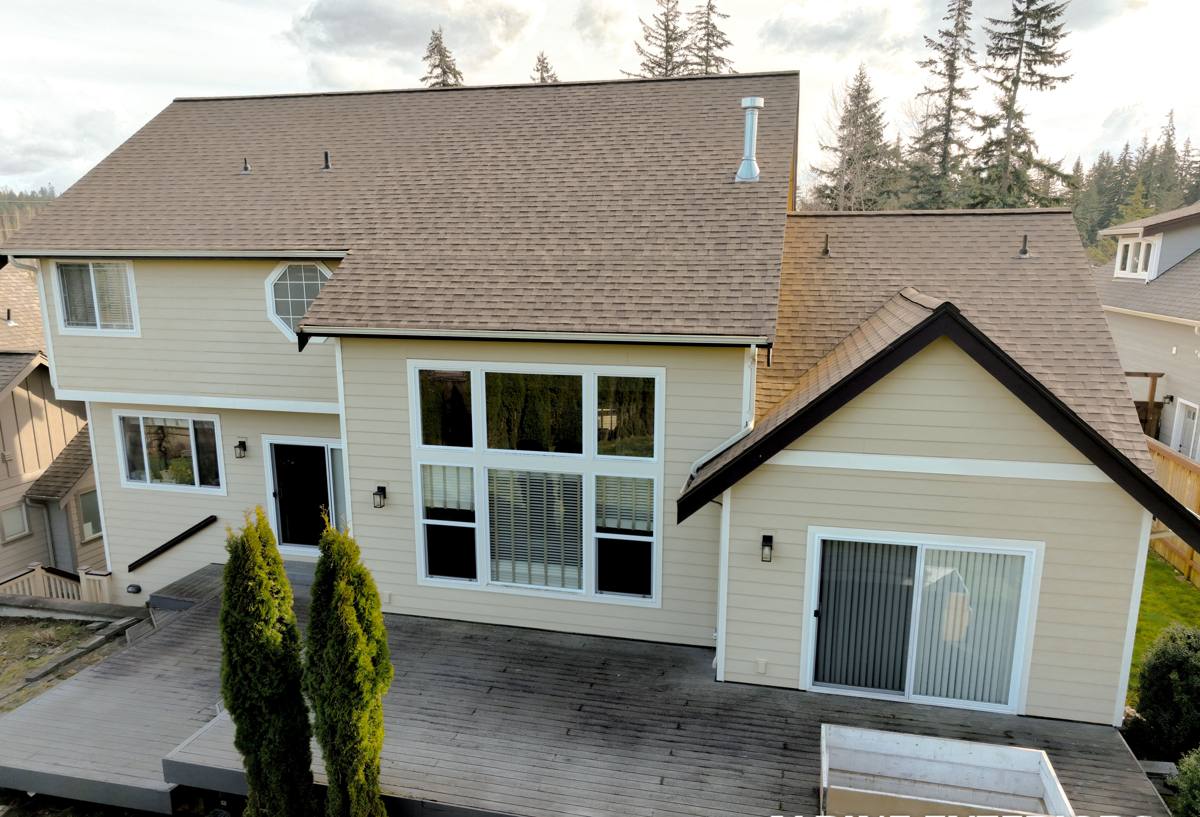
The Character of Village of the Arts — and What It Means for Your Siding
Older Wood-Frame Construction
Many of the homes in this part of Bradenton are older wood-frame structures, built well before current Florida wind and moisture codes existed. That's not a knock on the houses — it's just a fact that changes how a siding job should be approached. A re-side here is often the first real opportunity in decades to open up the wall, check the sheathing for hidden rot or old moisture damage, and install a proper weather-resistive barrier before anything new goes back on. Skipping that step and simply nailing new siding over old problems is how a beautiful installation fails from the inside in five years instead of standing for thirty.
Close Lot Lines and Visible Facades
Village of the Arts is a walkable, tightly-built neighborhood where houses are seen up close — by neighbors, visitors, and foot traffic in a way that's less true in more spread-out subdivisions. That puts real weight on how the finished siding looks and holds its color over time, not just how it performs structurally. A finish that fades unevenly or needs repainting every few years stands out fast in a neighborhood like this one.
Why We Only Install James Hardie Fiber Cement Here
We standardized on James Hardie fiber cement siding for every home we side, and Village of the Arts is a good example of why. It's a non-combustible, engineered material designed specifically to hold up to the wind, moisture, and UV load of a climate like Bradenton's — and it carries a factory-applied ColorPlus finish that doesn't rely on a painter getting field-applied paint right on every square foot of a job.
| Factor | James Hardie Fiber Cement | Vinyl Siding | Wood / Primed Spruce |
|---|---|---|---|
| Wind performance | Engineered HZ product line, rated for high-wind installation | Can crack, warp, or blow off in sustained gusts | Performs well if maintained, but fasteners loosen over time |
| Moisture behavior | Resists moisture intrusion when installed to spec; won't rot | Sheds water but traps moisture behind panels if not vented properly | Absorbs moisture; prone to rot without constant upkeep |
| UV / color retention | Factory ColorPlus finish resists fading for years | Color baked into the plastic but can chalk and fade | Paint fades and needs recoating every few years |
| Salt air resistance | Fiber cement substrate is inert to salt corrosion | Plastic itself is stable, but trim and fasteners still corrode | Wood and fasteners both vulnerable |
| Fire rating | Non-combustible | Combustible plastic | Combustible |
We don't install vinyl, LP SmartSide, Cemplank, Allura, or primed wood siding — not because there's no legitimate use for those products anywhere, but because after years of siding homes on this coast, James Hardie is the one system we're comfortable standing behind with a real warranty and our own name.
What a Correct Fiber Cement Siding Installation Involves
Substrate and Moisture Barrier
Before a single piece of siding goes up, the sheathing gets inspected and any damaged sections are repaired. A code-compliant weather-resistive barrier goes over the sheathing, lapped correctly at every seam so water is directed out and down, never trapped behind the cladding.
Fastening for the Wind Zone
Manatee County sits in a high-velocity wind zone, and James Hardie's installation instructions specify fastener type, spacing, and embedment depth to match. This isn't optional detail work — it's the difference between siding that stays put in a tropical storm and siding that peels off the wall.
Clearances and Flashing
Fiber cement siding needs proper clearance from grade, roofing, decks, and other trim, along with correctly installed flashing at windows, doors, and any wall penetration. These clearances exist specifically to keep wind-driven rain from wicking up into the bottom edge of the siding — one of the most common failure points we find on older homes when we open up a wall.
Finish and Color
Because ColorPlus is a factory-applied finish, the color is baked on before the boards ever reach the site, which means consistent coverage and touch-up paint matched to the exact color line — not a field-mixed approximation.
Our Process, Start to Finish
- On-site evaluation: We walk the exterior, check the current siding and trim condition, and look for signs of existing moisture damage.
- Written estimate: A clear scope and price based on square footage, trim complexity, and any substrate repair we expect to find.
- Tear-off and inspection: Old siding comes off and the sheathing underneath gets a real look before we proceed.
- Repair as needed: Any rotted or damaged sheathing is addressed before the new weather barrier goes on — we don't cover up problems.
- Weather barrier and flashing: Installed and lapped correctly at every seam, window, and door.
- Hardie installation: Panels or lap siding installed to manufacturer spec for our wind zone, with correct fastening and clearances.
- Trim and detail work: Corners, trim boards, and joints finished cleanly, with attention to how the house reads from the street.
- Final walkthrough: We go over the finished job with you before we call it done.
Cost Factors for a Village of the Arts Project
Every home is different, so we don't quote a number without seeing the house — but these are the factors that actually move a siding estimate up or down:
| Factor | Why It Matters |
|---|---|
| Home size and wall area | More square footage means more material and labor |
| Trim and architectural detail | Bungalow-style homes with detailed trim take more time than a plain rectangular wall |
| Condition of existing sheathing | Rot or old moisture damage found during tear-off adds repair scope |
| Siding profile and accessories | Lap width, panel style, and trim accessories affect material cost |
| Access and lot constraints | Tight lot lines and close-set structures can affect staging and labor time |
| Color and finish selection | Standard ColorPlus colors versus custom options can shift pricing slightly |
Maintenance and Longevity in Coastal Manatee County Conditions
James Hardie siding is low-maintenance compared to wood or vinyl, but "low-maintenance" doesn't mean "no maintenance" in a climate like this one. A short annual routine keeps a properly installed job performing for decades:
- Rinse the siding once or twice a year to clear salt residue and airborne grime, especially on sides of the house that face prevailing wind off the water
- Walk the perimeter after any major storm and look for loose trim, gaps at corners, or caulking that's pulled away
- Keep irrigation heads and sprinklers from spraying directly on the siding — repeated wetting at the same spot can degrade caulk and finish faster than weather alone
- Trim back landscaping so foliage isn't holding moisture against the wall
- Touch up any chipped or scratched areas with matched ColorPlus touch-up paint rather than a generic exterior paint
- Have caulking at trim joints and penetrations checked every few years — caulk fails well before the siding does
Why Hiring a Crew That Already Works This Neighborhood Matters
Siding an older home in Village of the Arts isn't the same job as siding new construction in a subdivision built to current code. A crew that already knows this part of Bradenton knows what to expect when a wall opens up on a house of this age, understands the wind and moisture demands of Manatee County's building requirements, and can move through permitting and inspection without it becoming a slow, confusing process for the homeowner. It also means working around the realities of a dense, art-focused neighborhood — respecting close neighbors, protecting outdoor studio spaces and artwork during the job, and leaving the site clean at the end of each day. That local familiarity shows up in fewer surprises and a finished job that actually holds up to the next storm season.
If you're considering fiber cement siding for a home in Village of the Arts, we're happy to take a look and put together a free, no-pressure estimate — just fill out the form below.