 Bradenton Siding
 Siding Built for the Character of Village of the Arts
Village of the Arts is one of the more distinctive pockets of Bradenton — a walkable grid of older bungalows and cottages, many of them painted in bold colors and packed close together on smaller lots. Homes here tend to be older than the Manatee County average, which means original siding, trim, and paint systems are often past the point where another repaint or patch job makes sense. When siding fails in this neighborhood, it shows: chipped or peeling paint, warped boards, and moisture stains stand out against the district's colorful, well-kept street presence.
Replacing siding on a home in Village of the Arts isn't just a maintenance decision — it's a decision about how the house reads on the street. That makes material choice, color retention, and installation quality more important here than on a typical suburban lot set back from the road.
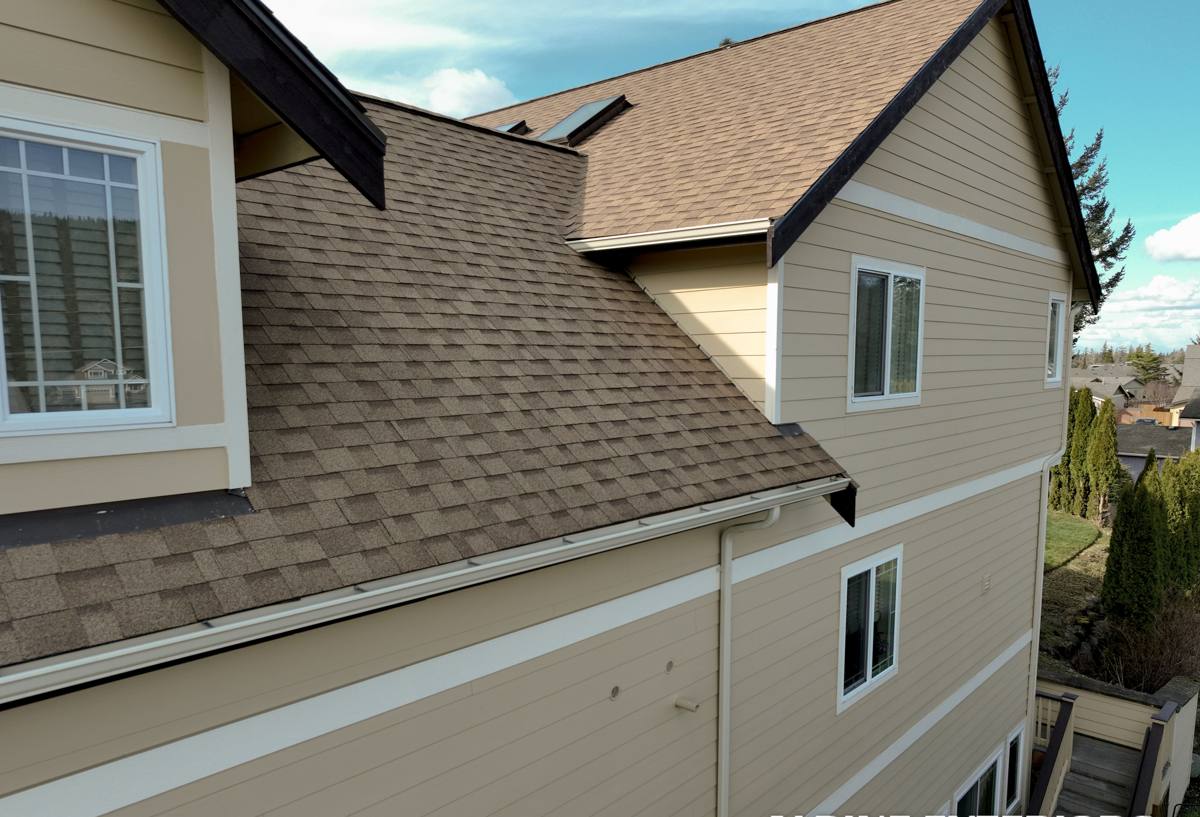
What Bradenton's Climate Does to Siding
Manatee County sits on the Gulf Coast, and that location puts real stress on exterior building materials year-round, not just during storm season.
Hurricane-Force Wind
Even homes outside the highest wind-velocity zones in Florida still have to withstand tropical-storm and hurricane-force gusts on a regular basis. Siding that isn't rated and fastened correctly for wind uplift can crack, bow, or blow off in a strong storm — and once one section fails, wind-driven rain gets behind the wall assembly.
Intense, Year-Round UV
Florida's sun exposure is harsher and more constant than most of the country experiences. UV breaks down pigments and resins in lower-grade siding and paint finishes, which is why faded, chalky siding is such a common sight on older Gulf Coast homes.
Wind-Driven Rain
Bradenton's storms don't just bring rain straight down — wind pushes it sideways, into seams, joints, and anywhere flashing or caulking has failed. Siding systems that rely on caulk alone to stay watertight tend to struggle here.
Salt Air
Village of the Arts isn't directly on the water, but Bradenton's proximity to Tampa Bay and the Gulf means salt-laden air travels well inland. Salt accelerates corrosion of fasteners and trim, and it degrades certain siding materials faster than a dry, inland climate would.
Put together, these four factors — wind, UV, wind-driven rain, and salt air — are exactly why we standardized on one material system rather than offering several.
Why We Install Only James Hardie Fiber Cement
Bradenton Siding Co installs James Hardie fiber cement siding exclusively. We don't install vinyl, LP SmartSide, Cemplank, Allura, or primed wood species like spruce or cedar. That's not a marketing position — it's a decision based on what actually holds up against the conditions described above.
Fiber cement is non-combustible, dimensionally stable in heat and humidity swings, and resistant to the pest and moisture problems that affect wood-based products. James Hardie's ColorPlus factory-applied finish is baked on and UV-cured specifically to resist the kind of sun exposure Bradenton gets — which matters directly to a neighborhood known for saturated house colors that need to stay true for years, not fade to pastel within a few summers. Hardie's HZ5 product line is engineered for hot, humid, high-moisture climates like ours, and the company backs it with a strong transferable warranty when it's installed to spec.
We're not going to tell you vinyl or LP SmartSide are bad products in every application. They have real advantages — lower upfront cost, lighter weight, faster installation in some cases. But vinyl can deform in extreme heat and isn't rated for the wind speeds we plan around, and wood-based composite siding depends heavily on unbroken paint and caulk lines to keep moisture out — a maintenance burden that's tougher to keep up with in a humid coastal climate. Given what we see coming off failed installations around Bradenton, fiber cement is what we're willing to put our name behind.
Siding Material Comparison for This Climate
| Factor | James Hardie Fiber Cement | Vinyl | Wood-Based Composite (e.g. LP SmartSide) |
|---|---|---|---|
| Wind resistance | Engineered and tested for high-wind installation specs | Can deform or detach in sustained high wind | Adequate when new; weakens as fasteners loosen with moisture cycling |
| UV / color retention | Factory-baked ColorPlus finish resists fading | Color molded through material but can chalk over time | Depends entirely on field-applied paint quality and upkeep |
| Moisture / salt air behavior | Non-combustible, dimensionally stable, engineered for humid climates (HZ5) | Doesn't rot, but seams and fasteners can degrade | Vulnerable to swelling, delamination if moisture gets behind paint |
| Maintenance burden | Repaint cycle measured in many years; no rot risk | Low maintenance but limited repair options once damaged | Requires diligent recaulking and repainting to avoid failure |
| Fire rating | Non-combustible material | Combustible | Combustible (wood-based core) |
What a Correct Installation Actually Involves
Fiber cement siding performs the way it's supposed to only when it's installed to the manufacturer's specifications — and that's where a lot of the failures we get called out to inspect actually started. A correct James Hardie installation on a Bradenton home includes:
- Proper weather-resistive barrier and flashing installed before a single board goes up, with attention to window and door openings where wind-driven rain intrudes most often
- Manufacturer-specified fastening patterns and fastener types, accounting for local wind-load requirements rather than a generic nailing schedule
- Correct board overlap, gapping, and clearance from grade, roof lines, and other siding to allow for expansion and drainage
- Sealed and properly lapped joints and butt seams, not caulk used as a substitute for correct flashing
- Corrosion-resistant fasteners and trim hardware suited to a salt-air environment
- Field-cut edges primed or sealed per Hardie's instructions so cut ends aren't left exposed to moisture
Skipping any of these doesn't necessarily show up on day one. It shows up two or three years later as a soft spot, a stain, or a section that comes loose in the next tropical storm — and by then it's a repair, not a warranty claim, because improper installation is exactly what voids a Hardie warranty.
Our Process on Village of the Arts Homes
Assessment and Scope
We start by walking the exterior and identifying what's driving the replacement — failed paint, moisture damage, storm damage, or simply an original siding system at the end of its service life. On older homes in this neighborhood, that often includes checking for damage hidden behind trim or at wall penetrations that isn't visible from the street.
Prep and Substrate Check
Before new siding goes on, we address what's underneath it — damaged sheathing, compromised flashing, or trapped moisture. Installing new siding over an unaddressed problem just hides it for a while.
Installation to Manufacturer Spec
We install James Hardie's plank, panel, or shingle-style products (whichever fits the home's architecture) following Hardie's published installation guidelines and Florida Building Code wind provisions for this area, not a shortcut version of either.
Final Inspection
We walk the finished job checking fastening, sealant lines, and trim details before we call it complete — the same details that determine whether the siding performs through the next decade of Gulf Coast weather.
Why Local Experience in This Neighborhood Matters
Village of the Arts has its own working conditions that differ from a typical newer subdivision: smaller setbacks, mature landscaping close to the house, older framing that sometimes needs extra attention once old siding comes off, and a strong neighborhood aesthetic where homeowners care a lot about how the finished color and trim lines look. A crew that's worked in this area understands how to stage material and equipment on tighter lots, what to expect when older wall assemblies get opened up, and how to keep a job tidy in a walkable, closely built neighborhood where neighbors are paying attention.
It also matters for something less visible: knowing the wind and moisture patterns specific to this part of Manatee County, and installing accordingly rather than applying a generic approach that doesn't account for local conditions.
Signs Your Siding Needs Attention
Homeowners in Village of the Arts don't need to wait for a full failure before calling for an inspection. Common warning signs include:
- Paint that's chalking, peeling, or fading noticeably faster than the rest of the house
- Visible warping, bowing, or gaps between boards
- Soft spots when pressed, especially near the bottom of walls or around windows
- Stains or discoloration that return shortly after cleaning or repainting
- Boards that moved or loosened after a tropical storm or high-wind event
- Visible rot, insect damage, or delamination at seams and corners
Any one of these is worth a professional look before it turns into a larger repair.
Permitting and Wind Requirements in Manatee County
Siding replacement in Bradenton falls under Florida Building Code wind provisions for this region, which set requirements for fastening and product wind ratings even outside the state's highest-velocity hurricane zones. Permitting and inspection requirements can vary by scope of work, so part of our process includes making sure the installation meets the code requirements that apply to your specific address — not assuming a one-size-fits-all approach across the county.
If you're considering new siding for a home in Village of the Arts, we're happy to walk the property, look at what's currently on the walls, and put together a straightforward, no-pressure estimate for a James Hardie replacement built for what this climate actually does to a house. Use the form below to get started.