 Bradenton Siding
 Storm Damage Roof Repair Built for Village of the Arts
Village of the Arts sits close enough to the Bradenton waterfront that its homes take the full brunt of what the Gulf Coast throws at a roof: hurricane-force wind gusts, wind-driven rain that finds every weak seam, and salt-laden air that quietly works on metal fasteners and flashing year-round. Add in the intense year-round Florida UV, and a roof here ages differently than a roof fifty miles inland. When a storm passes through Manatee County, the damage isn't always obvious from the ground, and a roof that looks fine after a squall line can still be leaking into the attic by the next hard rain.
We repair storm-damaged roofs on Village of the Arts homes, many of which are older bungalow and cottage-style houses with character rooflines, mixed with newer infill construction. Both categories need the same thing after a storm: a straight answer about what's actually damaged, and a repair that's built to hold up until the next system rolls through — not just patched to get by.
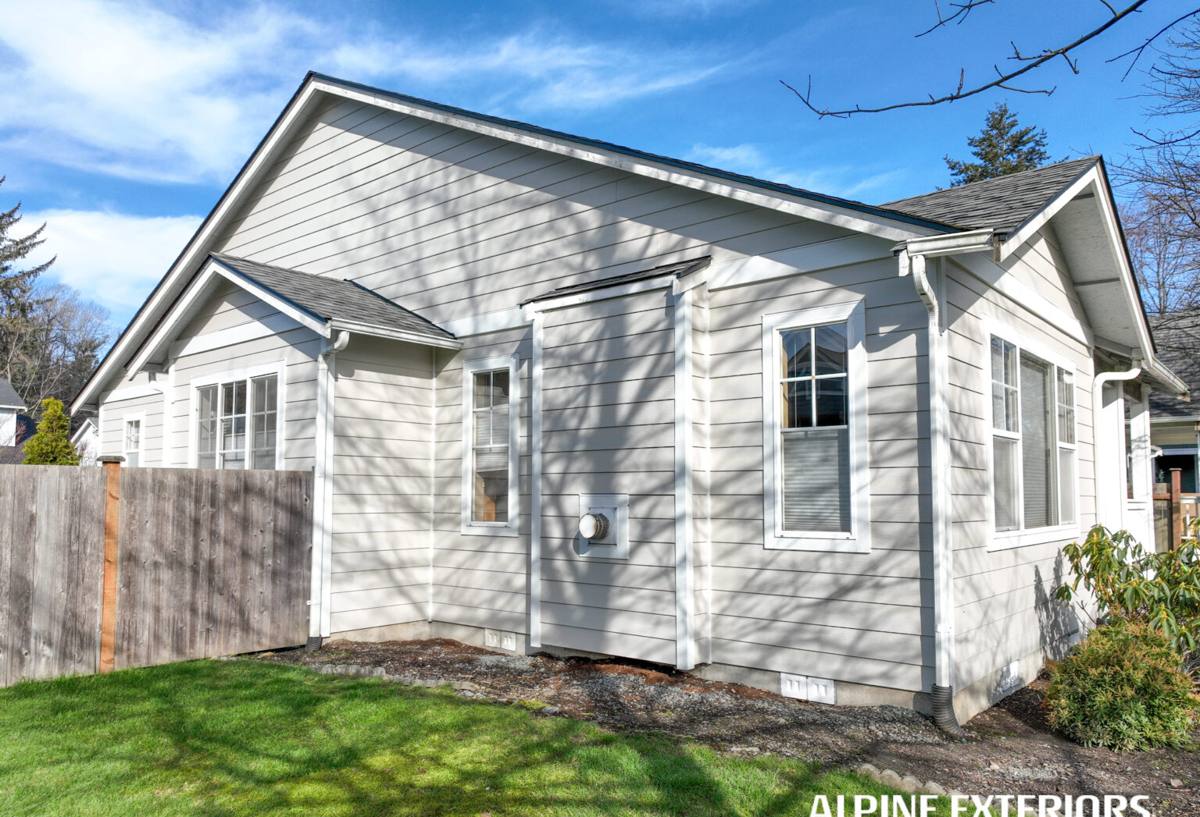
What Village of the Arts Roofs Are Up Against
The neighborhood's location near the water means roofs here deal with a specific combination of stressors that don't hit every part of Bradenton equally.
Wind and Uplift
Tropical storm and hurricane winds don't just push on a roof — they create uplift at the edges, ridges, and any spot where a shingle, tile, or panel has even a slightly loose seal. Older homes with original roofing often have fewer wind-rated fastening details than a roof installed under today's Florida Building Code, which means they're more vulnerable to losing material in the same storm that a newer roof next door sails through with minor damage.
Wind-Driven Rain
Rain that comes in sideways doesn't behave like normal rainfall. It gets pushed up under shingle tabs, through hairline gaps in flashing, and around vent boots that have started to shrink or crack. A roof can pass a casual visual check and still be actively letting water into the deck during a storm, because the entry point is often invisible until you're looking at the underside from the attic.
UV and Heat Cycling
Manatee County gets sun exposure nearly every day of the year, and that constant UV load breaks down shingle asphalt, dries out sealant strips, and makes underlayment brittle over time. A roof that's already UV-fatigued has far less flexibility to absorb wind stress, so storm damage tends to be more severe on an older, sun-baked roof than on a newer one — even in the same storm.
Salt Air
Proximity to the water means metal components — nails, flashing, drip edge, vent stacks — corrode faster here than they would inland. Corroded fasteners lose their grip strength, and corroded flashing develops pinholes. Both are common contributors to leaks that show up after a storm even though the roofing material itself looks intact.
What a Correct Storm Damage Repair Actually Involves
A lot of storm repair work in this area is done fast and cheap by crews chasing weather events, and it shows up again as a callback a year later. A correct repair starts with understanding the full extent of the damage, not just the part you can see from the driveway.
Full Roof and Attic Inspection
We check the roof surface for lifted, cracked, or missing material, but we also check flashing at every penetration — chimneys, vents, skylights, and roof-to-wall transitions — since that's where wind-driven rain most often gets in. We check the attic separately, because water staining on the underside of the deck or on insulation is often the clearest evidence of a leak that isn't visible from outside.
Matching Repairs to the Existing Roof
On an older Village of the Arts home, matching shingle color, tile profile, or panel style matters both for appearance and for a clean, weathertight tie-in. A mismatched patch is a cosmetic problem today and a maintenance problem later, since dissimilar materials age and expand differently.
Flashing and Fastener Work, Not Just Shingles
Replacing damaged shingles or tiles without addressing the flashing and fasteners underneath is the single most common shortcut we see in storm repairs. If the flashing is corroded or the fasteners have backed out, new material on top won't stop the leak — it just hides it for a while.
Deck Repair Where Needed
If water has been getting into the attic for any length of time, the roof deck underneath the damaged area can be soft or delaminated. Covering over a compromised deck with new roofing is a warranty and safety problem waiting to surface. Any soft decking gets cut out and replaced before new material goes down.
Our Process for Village of the Arts Storm Repairs
- Inspection and documentation. We walk the roof and the attic, photograph the damage, and give you a clear written breakdown of what's actually wrong.
- Honest scope. We tell you what's a true storm-damage repair versus what's pre-existing wear that a storm happened to expose. Insurance carriers draw this distinction too, so you're better served knowing it upfront.
- Insurance documentation support. If you're filing a claim, we provide the photos and scope detail your adjuster will need, in a format that supports your claim rather than working against it.
- Repair. We complete the agreed-upon work using materials matched to your existing roof, with flashing and fastening brought up to a standard that holds through the next storm, not just the next dry spell.
- Final walkthrough. We show you the completed work and the areas we addressed before we consider the job done.
Repair vs. Replacement: How We Help You Decide
Not every storm-damaged roof needs full replacement, and not every roof that "looks okay" is actually fine. The decision usually comes down to the roof's age, how widespread the damage is, and how much of the underlying structure has been compromised.
| Factor | Points Toward Repair | Points Toward Replacement |
|---|---|---|
| Roof age | Under 10-12 years, in otherwise good condition | Near or past expected service life for the material |
| Extent of damage | Localized to one section or a few spots | Widespread across multiple roof planes |
| Deck condition | Solid, no rot or delamination found | Soft, stained, or delaminated decking in multiple areas |
| Prior storm history | First significant damage event | Repeated patch history from past storms |
| Material availability | Matching material still available | Discontinued profile or color, poor match likely |
We'll tell you plainly which side of that line your roof falls on. Repairing a roof that genuinely needs replacement just delays a bigger cost and a bigger leak; replacing a roof that only needed a targeted repair is money spent you didn't need to spend.
What to Check After a Storm Passes Through
Before a full inspection, there are things a homeowner can safely check from the ground or inside the house.
- Granules collecting in gutters or at downspout outlets — a sign of shingle wear or impact damage
- Visible lifted, cracked, or missing shingles or tiles from ground level
- New water stains on ceilings or upper interior walls
- Musty odors in closets or rooms under the roofline, which can indicate hidden moisture
- Dented or damaged gutters, vents, or roof-mounted fixtures
- Debris or fallen branches resting on the roof surface
- Soft spots noticed when walking through the attic, if it's safely accessible
Finding one or more of these doesn't necessarily mean major damage, but it's a reason to get a proper inspection before the next rain event rather than waiting.
Why a Crew That Knows Village of the Arts Matters
Roofing crews that only pass through Bradenton after a major hurricane tend to work off a generic playbook. A crew that regularly works in and around Village of the Arts understands the mix of older and newer construction in the neighborhood, knows what typical roofing details and material profiles look like on the homes here, and isn't guessing at how to tie a repair into an existing roof cleanly. That local familiarity shows up in fewer surprises during the job and a repair that actually matches what's already on your roof.
It also matters for response time. Storm damage that sits exposed for days invites more water intrusion and more secondary damage to insulation, drywall, and framing. A local crew can typically get eyes on your roof faster than an out-of-town outfit working a wide radius.
Protecting Your Roof Between Storms
Manatee County's storm season isn't a once-a-year event to prepare for and then forget about — the combination of UV exposure, salt air, and periodic wind events is a year-round condition. A few habits go a long way toward reducing storm damage before it happens:
- Keep gutters clear so water has somewhere to go during heavy rain
- Trim back tree limbs that overhang the roof
- Have flashing and sealant checked periodically, since these fail before the roofing material itself usually does
- Address minor leaks or missing shingles promptly rather than waiting for the next storm to make it worse
If your Village of the Arts home has visible or suspected storm damage, we're glad to take a look and give you a straightforward assessment — no pressure, no upsell. Reach out using the form below to schedule a free estimate.