 Bradenton Siding
 Whitfield Estates sits close to the water on the Manatee-Sarasota line, with mature tree canopy, a mix of older homes and updated remodels, and a roofline that takes a beating most inland neighborhoods never see. Salt air off the bay, near-constant UV, wind-driven rain, and the threat of hurricane-force gusts all work on a roof at the same time, year after year. A roof replacement here isn't just swapping old shingles for new ones — it's an opportunity to correct whatever the last roof got wrong and build in the protection this specific location actually needs.
Why Roofs Age Faster in a Neighborhood Like This
Every roof in Bradenton deals with sun and rain. Roofs closer to open water deal with something extra: airborne salt. Salt-laden moisture settles into shingle granules, exposed fasteners, and any metal flashing or vent that isn't properly rated for coastal exposure. Over years, that accelerates granule loss, corrodes unprotected metal, and weakens the seal strips that hold shingles down against wind. Add in mature trees dropping shade, debris, and moisture onto the roof deck, and you get a roof that can look fine from the driveway while quietly failing underneath.
None of this means a roof in Whitfield Estates is doomed to a short life. It means the materials, fasteners, and installation details need to match the environment — not just meet the minimum code requirement for a roof three miles inland.
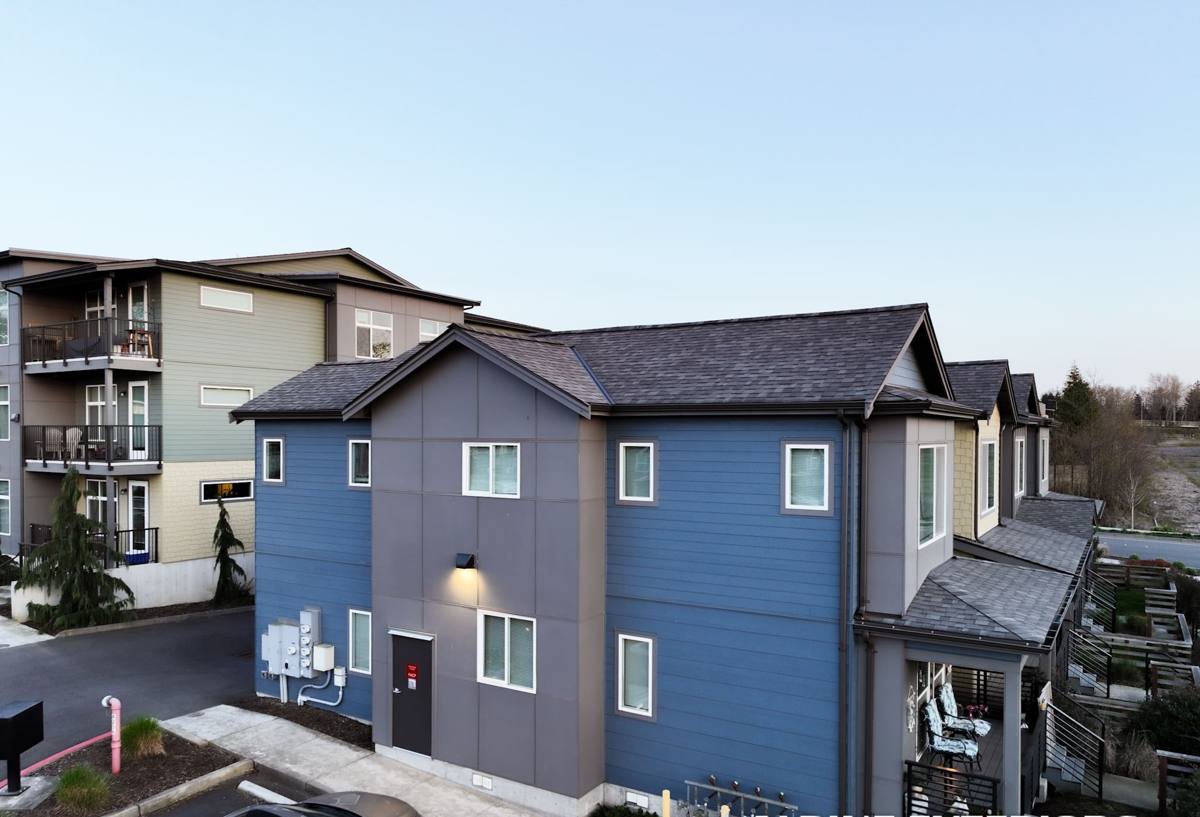
What Bradenton's Climate Actually Does to a Roof
UV and Heat
Florida sun bakes shingles and membrane roofing nearly every day of the year. UV breaks down asphalt oils and rubber components, causing shingles to become brittle and lose granules faster than the same product would in a milder climate. Heat cycling — hot days, cooler nights, sudden rain — also stresses seams and flashing.
Wind-Driven Rain
Bradenton doesn't just get rain, it gets rain pushed sideways by wind. That matters because wind-driven rain finds weaknesses that a straight-down rainstorm never would: lifted shingle tabs, under-sealed flashing, nail pops, and gaps around penetrations like vent stacks and chimneys.
Hurricane and Tropical Storm Winds
Manatee County sits squarely in a hurricane-prone stretch of coast. A roof replacement here needs to meet current Florida Building Code wind requirements, not the code that was in effect when an older home was originally built. Nailing pattern, shingle wind rating, and edge/ridge detailing all directly affect whether a roof stays intact in a major wind event.
Salt Air
Proximity to Sarasota Bay means salt exposure is a real factor for anything metal on the roof — flashing, drip edge, vent boots, fasteners. Untreated or poorly rated metal corrodes faster here than it would ten or fifteen miles inland.
Signs a Whitfield Estates Roof Needs Replacing, Not Patching
Not every roofing problem calls for a full replacement. But there's a point where repeated repairs cost more over time than doing the job right once. Signs worth taking seriously include:
- Shingles that are curling, cupping, or losing large amounts of granules (visible as bald patches or granules collecting in gutters)
- Multiple roof leaks in different areas, rather than one isolated spot
- Soft or spongy decking felt underfoot in the attic, or daylight visible through the roof deck
- Rusted or corroded flashing, vent boots, or exposed fasteners
- A roof that's approaching or past its material's expected service life, especially if it's never been replaced
- Visible sagging along the roofline or near valleys
- Missing shingles or exposed nail heads after storms
- An insurance company flagging the roof's age or condition at renewal
If a roof is showing two or more of these signs at once, a replacement is usually the more honest recommendation than another round of patch repairs.
Roofing Materials That Actually Hold Up Here
There's no single "correct" material for every home, but some options handle coastal Bradenton conditions better than others. The table below compares the main choices homeowners in this area weigh.
| Material | Typical Lifespan | Wind Performance | Salt Air Resistance | Maintenance |
|---|---|---|---|---|
| Architectural (laminate) asphalt shingles | 20-30 years | Good, with high-wind rated products and proper nailing | Fair — depends on flashing and fastener quality | Low to moderate |
| 3-tab asphalt shingles | 15-20 years | Lower wind rating than architectural shingles | Fair | Low to moderate |
| Standing seam metal | 40-50+ years | Excellent when properly fastened | Good with coastal-rated coatings and hardware | Low |
| Concrete or clay tile | 40-50+ years | Excellent for the tile itself; underlayment is the weak point | Good for the tile; fasteners still need coastal-rated metal | Moderate (underlayment inspection over time) |
For most Whitfield Estates homes, the deciding factors are budget, roof pitch and style, and how the existing structure was designed to carry the material's weight. A straightforward conversation about trade-offs — not a sales pitch for whatever happens to be in stock — is what should drive that decision.
What a Correct Roof Replacement Actually Involves
A roof replacement is more than removing old shingles and nailing down new ones. Done right, in this climate, it includes:
Full Tear-Off and Deck Inspection
Old roofing material comes off completely so the deck underneath can be inspected. Any water-damaged, rotted, or delaminated plywood or OSB gets replaced before anything new goes down — covering over a bad deck just buries the problem.
Underlayment Suited to Coastal Exposure
A synthetic or self-adhering underlayment provides a second line of defense against wind-driven rain, which matters more here than in drier, calmer climates.
Flashing and Metal Details
Flashing around chimneys, walls, skylights, and vent penetrations is one of the most common failure points on any roof. In a salt-air environment, using properly rated metal — not just whatever's cheapest — is the difference between flashing that lasts and flashing that corrodes and starts leaking in a few years.
Wind-Rated Installation
Nailing pattern, shingle sealing, and edge treatment all need to match current Florida Building Code wind requirements for this region. This isn't optional detailing — it's what keeps a roof attached during a tropical storm or hurricane.
Ventilation
Proper attic ventilation reduces heat buildup and moisture accumulation, both of which shorten a roof's life if ignored. It also affects how comfortable and efficient the home is underneath.
Permits, Code, and Insurance Considerations in Manatee County
Roof replacements in Manatee County require a permit and inspection — this isn't paperwork for its own sake, it's what confirms the work meets current wind and building code. A few points worth knowing before starting a project:
- Permits and inspections protect the homeowner by verifying the finished roof meets code, which matters for resale and insurance claims
- A wind mitigation inspection after replacement can qualify a home for insurance premium discounts, since new roofs installed to current code standards are rated more favorably
- Older Whitfield Estates homes may have roofs that predate current wind code — a full replacement is often the point where the home finally gets brought up to current standards
- Any contractor pulling permits should be licensed to do so in Florida; unpermitted roof work can create problems at resale or during an insurance claim
Our Process, Start to Finish
A roof replacement should be predictable, not stressful. Here's how the process generally runs:
- On-site inspection and estimate. We look at the current roof, the deck, ventilation, and any problem areas, and put together a clear, written estimate — no pressure, no gimmicks.
- Material selection. We walk through the realistic options for the home's style, budget, and structure, including wind rating and expected lifespan for each.
- Permitting. We handle the Manatee County permit and schedule required inspections.
- Tear-off and deck repair. Old material comes off, the deck is inspected, and any damaged sections are replaced before new roofing goes down.
- Installation. Underlayment, flashing, ventilation, and the roofing material itself are installed to current wind code.
- Final inspection and cleanup. The job passes inspection, the property is cleaned up including a magnetic sweep for stray nails, and we walk the finished roof with the homeowner.
Why Local Experience in Whitfield Estates Matters
A roofing crew that regularly works this specific area already understands the salt exposure near the bay, the mature tree cover that many of these lots have, and the mix of older homes and updated remodels that make up the neighborhood. That familiarity shows up in practical ways — knowing which flashing and fastener grades hold up here, recognizing early signs of salt-related corrosion, and understanding what a roof deck on an older Whitfield Estates home is likely to need before it's opened up. It also means someone who's easy to reach after the job is done, not a crew that worked the area once and moved on.
Protecting Your Investment After Installation
A new roof still needs basic upkeep to reach its full expected lifespan, especially in a coastal, tree-shaded neighborhood like this one:
- Clear debris — leaves, branches, seed pods — off the roof and out of gutters regularly
- Have the roof visually inspected after any major storm
- Keep gutters and downspouts clear so water drains away from the roofline and foundation
- Address minor issues (a lifted shingle, a small flashing gap) promptly rather than waiting
These are small, occasional tasks — not a maintenance burden — but they matter more here than they would in a drier, calmer climate.
If your Whitfield Estates roof is showing its age, was damaged in a storm, or you just want an honest read on where it stands, we're happy to take a look. The estimate is free, there's no pressure, and you'll get a straight answer about whether repair or replacement makes more sense — just fill out the form below to get started.