 Bradenton Siding
 Windows Built for a Neighborhood Like the Village of the Arts
The Village of the Arts sits among some of Bradenton's older residential stock — small bungalow and cottage-style homes, many converted over the years into studios, galleries, and live-work spaces. That mix means window needs vary a lot from house to house. Some homes still have original single-pane wood or early aluminum windows that have never been touched. Others have already gone through a partial upgrade with mismatched replacements from different decades. What ties them together is that most of these homes were not built with modern Florida wind and moisture codes in mind, and the windows are usually the weakest point in the building envelope.
Working in this part of Bradenton means paying attention to the character of the neighborhood as well as the performance of the window. Homeowners here often care about keeping a cohesive look on a historic-style facade, not just swapping in whatever is cheapest or fastest to install. That's a different job than a straightforward replacement on a newer subdivision home, and it changes how we plan the work.
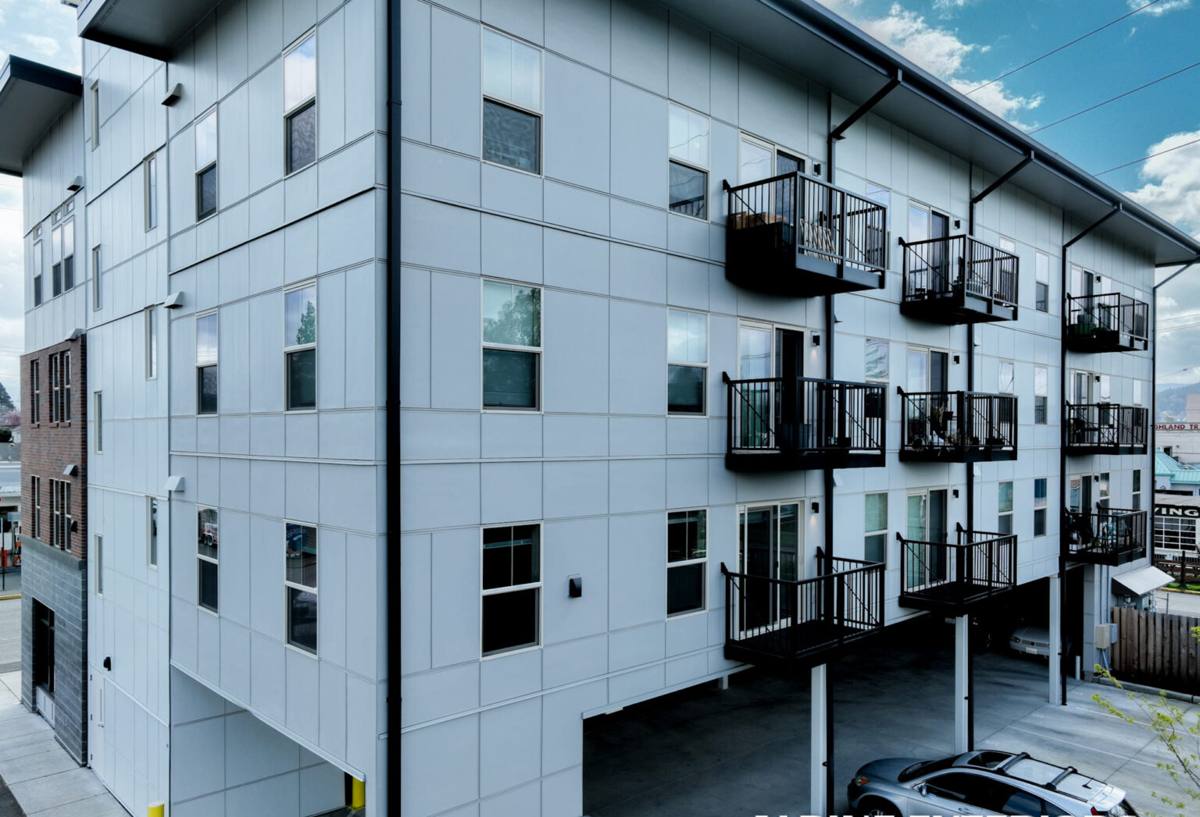
What Manatee County's Climate Does to Older Windows
Bradenton and the rest of Manatee County sit in a climate that is hard on building materials year-round, not just during storm season. A few things compound on each other:
- Hurricane-force wind: Even homes outside the highest wind-velocity zones need windows rated for real wind pressure, and older single-pane units were never engineered for it.
- Intense year-round UV: Constant sun exposure breaks down old glazing putty, dries out wood sashes, and fades or chalks vinyl and aluminum frames faster than in most parts of the country.
- Wind-driven rain: Storms here rarely fall straight down. Rain gets pushed sideways into wall assemblies, which exposes any gap in flashing or sealant around an old window opening.
- Salt air: Even at a distance from the coast, salt-laden air corrodes aluminum frames, steel fasteners, and hardware over time, which is a common reason older windows here get stiff, stuck, or start leaking.
On an older bungalow, these forces usually show up first as paint failure on the sash, soft or spongy wood at the sill, fogging between panes on any dual-pane units that were added later, or a draft you can feel with your hand on a windy day. None of that is cosmetic — it's the window telling you the seal and structure around it are failing.
Why This Matters More on Older Construction
Homes of the era common in the Village of the Arts often have wood-framed openings, plaster or early drywall interior returns, and sills that were never built with a modern drainage plane. When a window in an opening like this starts leaking, the water doesn't just sit at the sill — it can travel into the wall cavity and cause hidden rot long before it's visible from inside the room. That's a big part of why we treat window replacement on these homes as an opening-and-flashing job, not just a glass-and-frame swap.
Florida Code and Wind Requirements for This Area
Manatee County follows the Florida Building Code, and window installations here have to meet wind-load and, depending on the specific site conditions, impact or opening-protection requirements. What applies to a given house depends on things like the home's location, roof height, and exposure category — not a blanket rule for the whole city. Part of doing this job correctly is confirming what actually applies to your specific property and pulling the right permit before work starts, rather than assuming a window that was fine somewhere else in Florida is automatically fine in Bradenton.
For older homes that have never been permitted for a window upgrade, this is also a chance to bring the opening up to current standards without waiting for a storm to force the issue.
What a Correct Window Installation Actually Involves
A window installation that's only "the window looks straight and it opens and closes" is not a complete job on a coastal Florida home. A correct installation includes:
- Removing the old unit and inspecting the full opening — sill, jambs, and header — for rot, moisture damage, or out-of-square framing.
- Repairing or rebuilding any compromised framing before the new window goes in, not covering it up.
- Installing proper flashing and a drainage path so any water that gets behind the exterior finish has somewhere to go besides your wall cavity.
- Setting the window level, plumb, and square, with the correct shim and fastening pattern for the wind load it's rated for.
- Sealing the exterior and interior with the right products for our humidity and UV exposure — not a generic caulk that will crack and fail within a couple of years.
- Confirming operation, weep function (for units that need it), and a clean, finished interior and exterior trim line.
Skipping any one of these steps is how a brand-new window ends up leaking or failing within a few storm seasons — the product itself often isn't the problem, the installation is.
Choosing a Window That Fits an Older Home
On a lot of Village of the Arts homes, the visual character of the house matters as much as the performance spec. We generally walk homeowners through a few practical trade-offs:
| Window Type | Where It Fits | Trade-Offs to Know |
|---|---|---|
| Impact-rated vinyl or aluminum | Most straightforward upgrade for wind and debris protection | Heavier glass, added upfront cost, but no separate shutters or panels needed |
| Non-impact with rated shutters/panels | Homes prioritizing a specific historic sash profile | Lower window cost, but requires deploying protection before every storm |
| Wood-look composite frames | Facades where matching original wood sightlines matters | Costs more than standard vinyl; performs better against UV breakdown than painted wood |
| Standard aluminum | Budget-driven replacements on secondary structures | More prone to salt-air corrosion over time versus vinyl or composite |
There's no single "right" answer here — it depends on your budget, whether the home has any historic-district or design considerations, and how much ongoing maintenance you want to take on. We'll lay out the honest trade-offs for your specific house rather than pushing one product line.
How We Handle This Job in Village of the Arts
Because we've worked on homes throughout this part of Bradenton, we already have a feel for the kind of openings, framing quirks, and finish details common in the neighborhood. Our process on a typical window job looks like this:
- On-site assessment of each opening, not just a walk-through estimate from the driveway.
- Written scope covering exactly which openings are being replaced, the window specs, and any framing repair we expect to encounter.
- Permitting handled before work begins, confirmed against current Manatee County requirements for your address.
- Old windows removed and openings inspected before any new unit is set — surprises get flagged and priced before we proceed, not after.
- Daily cleanup, since most of these homes are occupied or actively used as studio/gallery space during the work.
- Final walkthrough covering operation, seals, and trim on every window installed.
What Drives the Cost of a Window Installation Here
| Factor | Why It Matters |
|---|---|
| Window rating (impact vs. non-impact) | Impact glass and reinforced frames cost more per unit but reduce storm-prep labor long-term |
| Condition of the existing opening | Rot or out-of-square framing adds repair time before the new window can be set |
| Frame material | Vinyl, aluminum, and composite carry different price points and different salt-air durability |
| Number and size of openings | Larger or custom-sized windows, common on older homes, cost more than stock sizes |
| Permitting and code upgrades | Bringing an ungrandfathered opening up to current wind code can add scope |
We won't quote a per-window price without seeing the actual openings — on older homes especially, the condition behind the trim matters more to the final cost than the window itself.
Signs It's Time to Replace, Not Repair
Not every window on an older home needs full replacement right away. Here's a quick checklist we use when evaluating a house in this area:
- Sash won't stay open, or takes real effort to open and close
- Visible gaps you can see daylight through, or feel air movement around on a windy day
- Soft, discolored, or crumbling wood at the sill or jamb
- Fogging or moisture trapped between panes on any dual-pane unit
- Paint or finish failure that keeps returning within a year or two of repainting
- No documented impact rating or storm protection plan for the opening
If you're only seeing one or two of these on an otherwise sound window, a repair may genuinely be the more sensible call — we'll tell you that if it's true.
Why a Crew That Already Works This Neighborhood Matters
Older homes punish contractors who don't know what they're walking into — non-standard opening sizes, framing that's out of square after decades of settling, and finish details that don't match anything off a big-box shelf. A crew that's already worked in the Village of the Arts has seen these conditions before and prices and plans for them honestly instead of discovering them mid-job. That local familiarity, paired with a straightforward, code-compliant installation process, is what keeps a window job here from turning into a bigger repair down the road.
If you're weighing whether your windows need repair or full replacement, we're happy to take a look and give you a straight answer. Reach out for a free, no-pressure estimate using the form below.