 Bradenton Siding
 Why Anna Maria Island Roofs Age Differently
A roof on Anna Maria Island doesn't live the same life as a roof ten miles inland. Being surrounded by the Gulf and Tampa Bay means the air itself is working against the roofing materials every single day, not just during storm season. Salt-laden humidity settles into fasteners, flashing, and shingle granules around the clock, and that exposure compounds with the intense, near-constant Florida UV load and the wind-driven rain that barrier island homes take on from multiple directions. By the time a roof on the island shows visible problems, it's often further along in its decline than a similar-aged roof on the mainland.
That's the starting point for any honest conversation about roof replacement here: the climate isn't a side note, it's the main factor driving when and how a roof needs to be replaced, and what it needs to be replaced with.
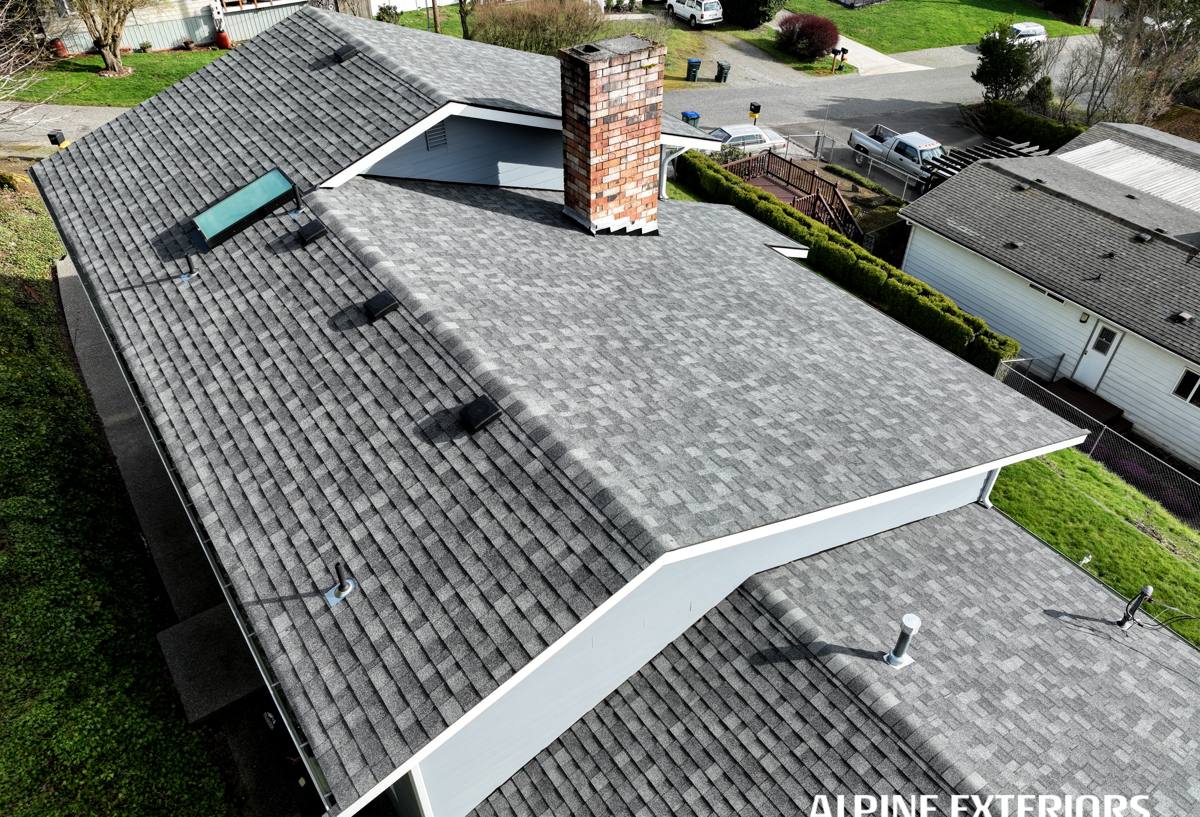
What the Barrier Island Environment Does to a Roof
Salt Air and Corrosion
Metal components — nails, flashing, drip edge, vent boots with metal collars — corrode faster this close to saltwater. Once fasteners start to weaken, shingles and panels lose their grip exactly when a storm needs them to hold tightest. This is a slow, quiet process that's easy to miss during a casual look from the ground.
UV Exposure
Florida sun is intense nearly year-round, and asphalt shingles in particular rely on a granule layer to protect the asphalt underneath from UV breakdown. Once that granule layer starts washing or wearing thin, the asphalt beneath dries out, cracks, and loses flexibility. A roof that's baked hard by the sun for years becomes brittle right when it needs to flex with wind uplift.
Wind-Driven Rain
On an open, exposed island, rain doesn't just fall — it's pushed sideways under wind pressure. That means water finds its way into laps, seams, and fastener penetrations that would stay dry in a calmer inland rain event. A roofing system that isn't detailed correctly for wind-driven rain can leak years before it ever fails outright.
Hurricane-Force Wind
Wind uplift is the single biggest structural stress a roof faces here. Every layer of a correctly installed roof — deck attachment, underlayment, fastening pattern, edge metal — is part of the system that keeps the roof covering attached when gusts try to peel it back. A weak link anywhere in that chain is where storm damage starts.
Signs a Repair Won't Cut It Anymore
Not every roof problem on Anna Maria Island calls for full replacement, but there's a point where patching stops being the honest recommendation. Signs it's time to talk replacement instead of another repair include:
- Granule loss heavy enough that shingles look patchy, blotchy, or bald in sun-exposed areas
- Shingles that are curling, cupping, or cracking across multiple slopes, not just one isolated spot
- Rusting or corroded flashing, vent boots, or fasteners visible at penetrations and edges
- Recurring leaks in different locations after previous repairs, rather than one leak reappearing
- Visible sagging in the roof deck or soft spots underfoot when walked
- A roof approaching or past the tail end of its expected service life for its material and this climate
- Interior staining, musty odors, or attic moisture that keeps returning despite spot fixes
When several of these show up together, the roof has usually crossed from "fixable" into "replace before it fails on its own timeline instead of yours."
Choosing a Roofing System for a Barrier Island Home
There's no single right answer for every home — budget, roof shape, HOA rules, and how long you plan to own the home all factor in. What matters is understanding the honest trade-offs of each option under these specific conditions.
| Material | Coastal Durability | Maintenance Needs | General Cost Position |
|---|---|---|---|
| Architectural asphalt shingle | Good when installed with corrosion-resistant fasteners and proper wind rating; moderate lifespan in salt air | Periodic inspection of flashing and fasteners for corrosion | Lower upfront cost |
| Standing seam metal | Strong wind and wind-driven rain performance; concealed fasteners reduce corrosion entry points | Low; mainly periodic visual checks of seams and penetrations | Higher upfront cost, longer service life |
| Exposed-fastener metal panel | Decent wind performance but exposed fasteners are more vulnerable to salt corrosion over time | Fastener washers should be checked periodically and replaced as needed | Mid-range cost |
| Tile (concrete or clay) | Very durable against UV and wind when the underlayment and attachment system are done correctly | Occasional inspection for cracked or shifted tiles, especially after storms | Higher upfront cost, heavier structural load |
Whatever material a homeowner chooses, the material itself is only part of the equation. The underlayment, flashing details, fastening schedule, and ventilation design determine how that material actually performs once it's exposed to real island conditions.
What a Correct Roof Replacement Actually Involves
Full Tear-Off and Deck Inspection
A proper replacement starts with removing the old roofing down to the deck, not roofing over what's already there. That's the only way to find out what's actually underneath — soft or delaminated decking, old damage, or prior repairs that were never done right. Any compromised decking gets replaced before anything new goes down.
Underlayment and Water Barrier
Given how much wind-driven rain this area sees, the underlayment layer matters as much as the visible roofing material. Self-adhering underlayment at eaves, valleys, and penetrations gives the roof a secondary water barrier if wind ever drives moisture past the primary covering.
Flashing and Penetration Details
Chimneys, vent pipes, skylights, and wall transitions are where most roof leaks actually start, not the open field of the roof. Correctly formed and sealed flashing at every one of these points is non-negotiable, and it's also where corrosion-resistant materials matter most given the salt air.
Fastening for Wind Uplift
Nailing or fastening patterns need to match the wind speed rating required for the area, not just a generic minimum. This includes proper fastener count, placement, and corrosion-resistant material so the attachment holds strength for the roof's full service life, not just its first few years.
Ventilation
An attic that can't breathe traps heat and humidity, which accelerates wear on the underside of the new roofing and can shorten its lifespan regardless of how good the materials are. Balanced intake and exhaust ventilation is part of a correct replacement, not an optional add-on.
Permitting and Wind Codes in Manatee County
Roof replacement work on Anna Maria Island falls under Manatee County's building and permitting requirements, and roofing systems here need to meet the wind-speed design standards that apply to this coastal zone. That means the permit, the product wind ratings, and the installation method all need to line up — cutting a corner on any one of those can create problems at inspection or, worse, at claim time after a storm. Homeowners should expect their contractor to pull the required permit and schedule inspections as part of the job, not treat it as optional paperwork.
Insurance is part of this conversation too. Many carriers ask for documentation of the roofing system's age, material, and wind rating, and a properly permitted, code-compliant replacement gives homeowners a clean paper trail if they ever need to file a claim.
Our Roof Replacement Process
- On-site inspection of the current roof, deck, and any visible problem areas
- Honest assessment of whether repair or full replacement is the right call, explained in plain terms
- Material and system recommendation based on the home's roof shape, budget, and how it's exposed to wind and weather
- Written estimate covering scope, materials, and timeline before any work begins
- Permitting handled through Manatee County before work starts
- Full tear-off, deck repair as needed, and installation of underlayment, flashing, and the new roofing system
- Final walk-through and cleanup, with documentation for insurance or warranty purposes
Why Local, Island-Familiar Experience Matters
Anna Maria Island isn't a typical mainland Bradenton neighborhood to work in. Barrier island logistics — limited road access, tighter staging areas, and seasonal traffic — affect how a roofing job gets scheduled and run day to day. A crew that already works on the island knows how to plan material delivery and dumpster staging without turning a homeowner's driveway or street into a bottleneck for the whole job.
Just as important is knowing the climate demands going in. A crew used to inland roofing jobs may default to standard practices that hold up fine on the mainland but fall short against the combination of salt air, constant UV, and wind-driven rain that an island roof faces year-round. Choosing corrosion-resistant fasteners, sealing every penetration correctly the first time, and fastening to the wind rating this area actually requires isn't extra effort — it's the baseline for a roof that's meant to last here.
Questions Worth Asking Before You Sign a Contract
- Is the estimate written, itemized, and clear on materials, labor, and timeline?
- Will the contractor pull the Manatee County permit and schedule required inspections?
- What wind rating does the proposed roofing system carry, and does it meet the code requirement for this location?
- Are corrosion-resistant fasteners and flashing materials specified, given the salt air exposure?
- Does the proposal include full tear-off and deck inspection, not just an overlay?
- What warranty coverage applies to materials versus workmanship, and how long does each last?
- Is the contractor licensed and insured to work in Manatee County?
A contractor who answers these clearly, without hesitation or vague language, is generally a good sign. One who avoids specifics on permitting, fastening, or warranty terms is worth a second look.
Ready to Talk About Your Roof?
If your Anna Maria Island roof is showing its age, or you just want an honest read on how much life it has left, we're happy to take a look. We'll give you a straightforward assessment, a written estimate, and no pressure to decide on the spot — just use the form below to request your free estimate.